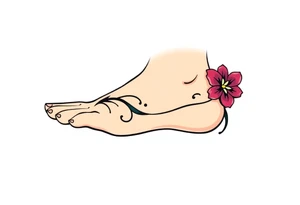
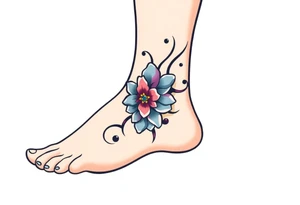
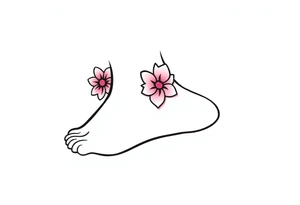
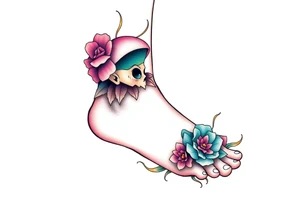
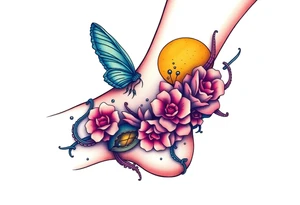
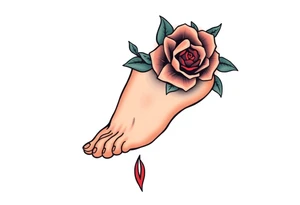
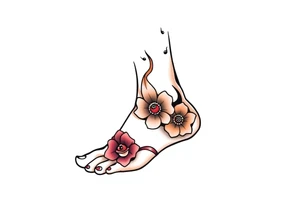
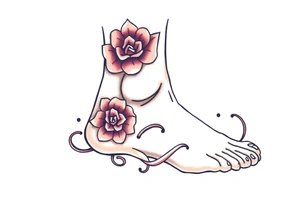
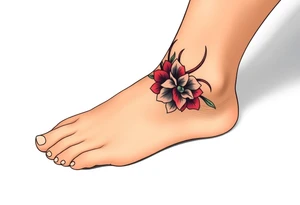
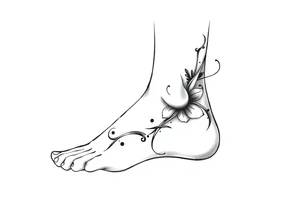
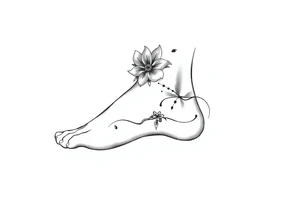
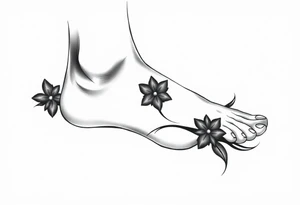
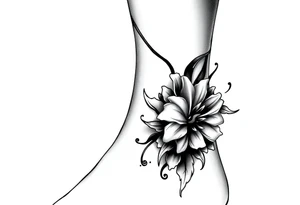
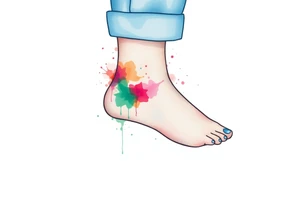
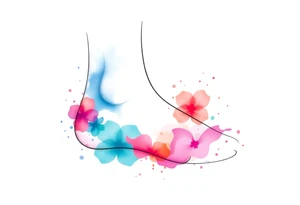
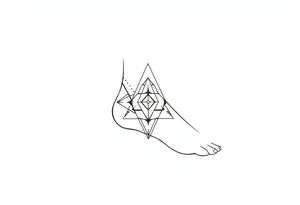
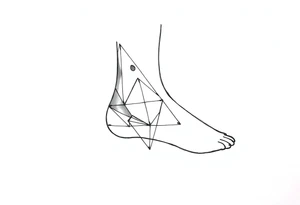
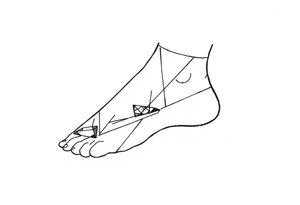
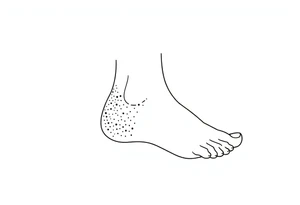
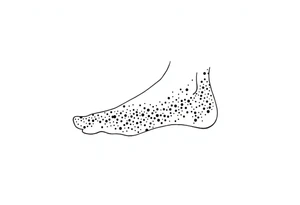
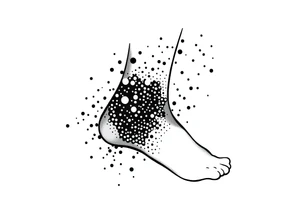
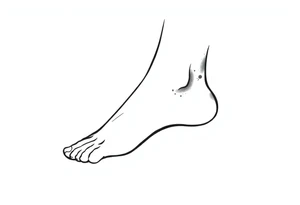
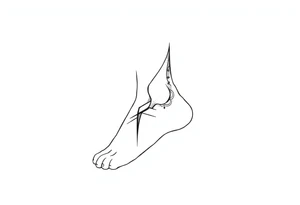
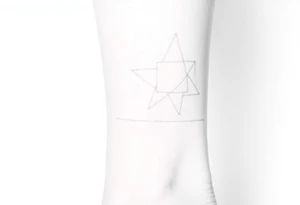
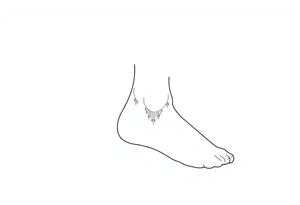
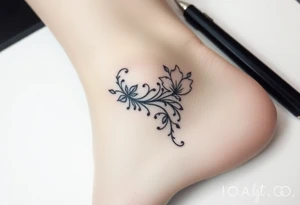
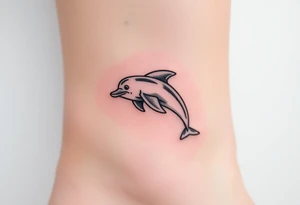
The ankle is a small canvas with a lot of personality. It sits low enough to hide under socks and trousers, but shows the moment you wear sandals — which makes it one of the easiest placements to keep semi-private without committing to somewhere you'll never see. The area gives you several distinct surfaces: the flat outer ankle bone, the softer inner side, the front of the joint where the foot meets the shin, and the band that wraps the whole thing. Each behaves differently under a needle and each suits a different shape of design. Because the space is compact and curves in every direction, ankle tattoos reward restraint. Small, clean, well-spaced designs age better here than dense detail crammed into a couple of inches. The gallery below collects 263 designs built for this placement — anklets and chains, single-line florals, small symbols, script that follows the bone, and wrapping bands. Use them to work out the shape you want first, then narrow down the style and detail level. Below you will find a collection of ankle tattoo design ideas for you to browse and get inspired by.

Join 9,635 happy customers.
Think in three shapes. Vertical designs run up the outer or inner ankle and suit stems, feathers, small script and slim symbols. Horizontal or wrapping designs circle the joint like an anklet — chains, beads, vines, dotted bands, delicate lace. Compact designs sit as a single motif on the flat outer bone or the inner ankle: a moon, a star, a tiny animal, initials. Wrapping bands look effortless but need planning, because the ankle isn't a perfect cylinder and a line that reads level from the front can drift out of place from the side. Compact motifs are the most forgiving and the fastest to sit down.
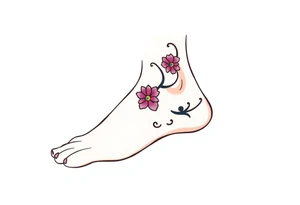
Fine line and single-needle work dominate ankle tattoos for good reason — they suit small, elegant subjects and read cleanly on a slim surface. Just accept that very thin lines on a bony, high-movement area may need a touch-up later than a bolder version would. Small blackwork and simple silhouettes hold their shape best over time. Minimal linework florals, tiny illustrative animals, ornamental dotwork bands and short script all sit comfortably here. Watercolour and colour work can look lovely but need enough room to breathe. Heavily detailed realism or dense micro-lettering is the main thing to avoid: at ankle scale, detail crowds together and softens.
The ankle sits close to bone with thin skin over it, so it's generally among the more sensitive placements — especially directly over the ankle bone or the front of the joint. Sessions are usually short, which helps. Healing here involves the practical stuff: socks, shoe edges rubbing, and a joint that moves constantly. Plan for footwear that leaves the area alone for a while, and time it away from beach holidays or anything that means water and sun. Also decide how visible you want it, since inner ankle is more private than outer, and check how the design reads when you're standing rather than just on a flat sketch.
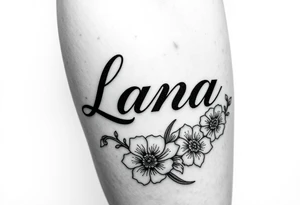
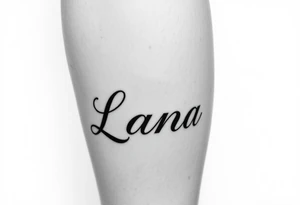
Ankles are generally considered among the more sensitive spots because the skin is thin and bone sits close beneath it, particularly right over the ankle bone. The upside is that most ankle designs are small, so sessions tend to be short. Sensitivity varies a lot from person to person.
Very small is possible, but there's a limit to how much detail survives at that scale. A simple symbol or short word works well tiny. Anything with fine internal detail, shading or multiple elements needs more room — otherwise the lines sit too close together and blur as the tattoo settles.
The outer ankle is flatter and more visible, which suits designs you want seen and single motifs that need a stable surface. The inner ankle is softer, more private and often more sensitive. Vertical designs work on both; wrapping bands cross the two, so plan where the join lands.