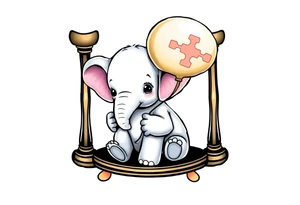
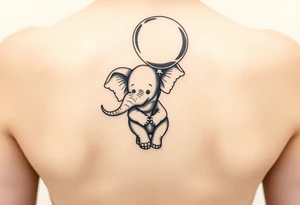
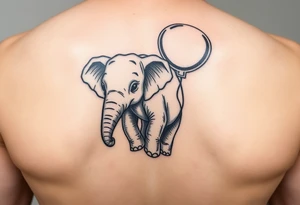
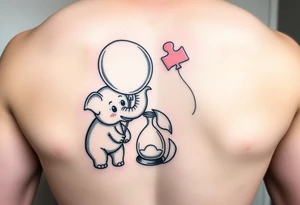
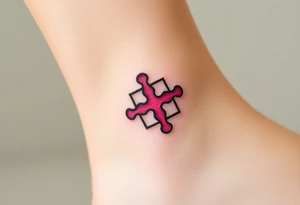
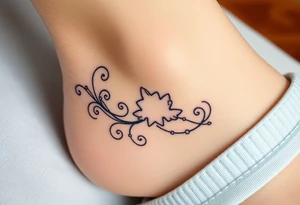
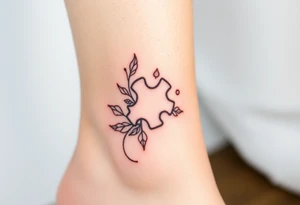
Autism Tattoo Ideas — 40+ designs

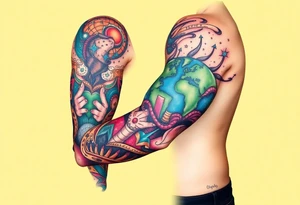
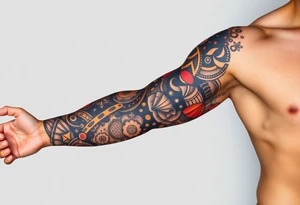
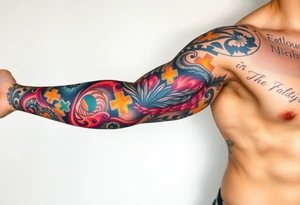
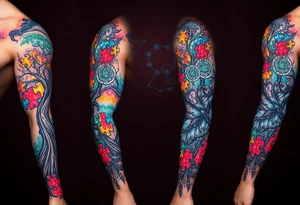
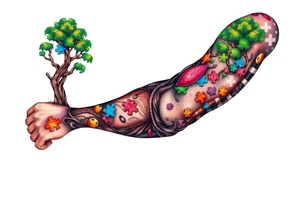
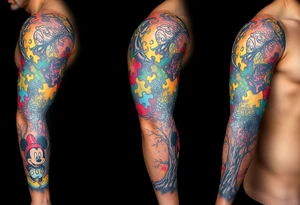
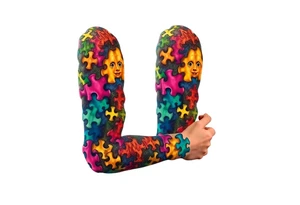
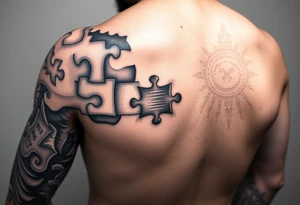
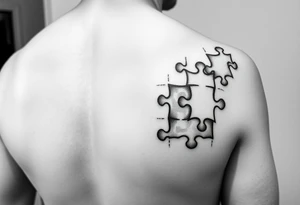
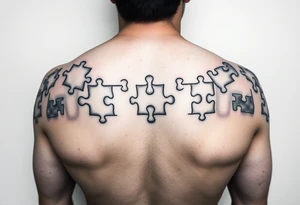
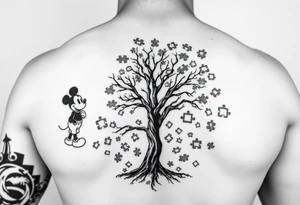
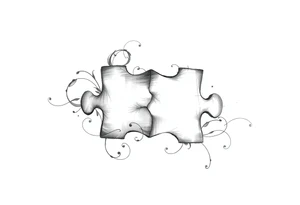
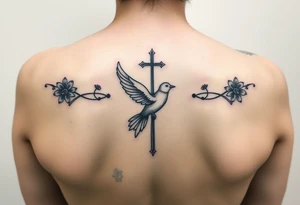
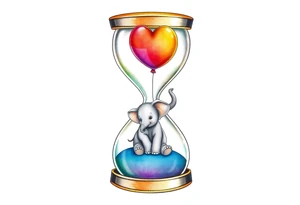
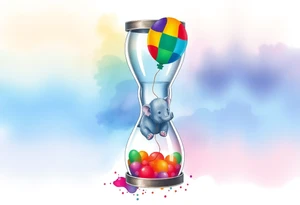
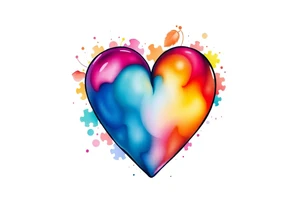
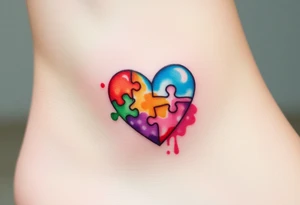
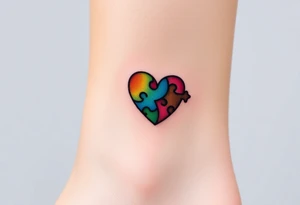
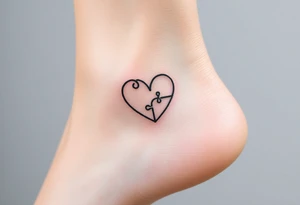
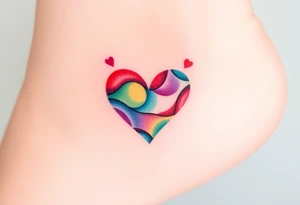
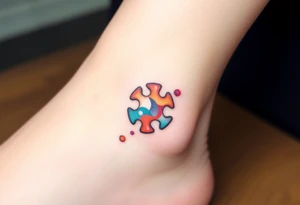
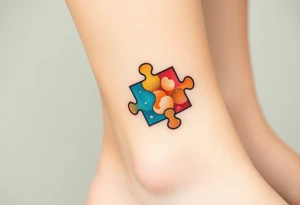
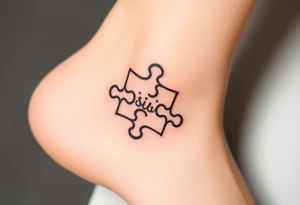
Autism tattoos can symbolize advocacy and support for individuals with autism spectrum disorder. They can also represent acceptance and understanding, promoting awareness and inclusivity. Some people may choose autism tattoos to honor a loved one with autism or as a personal reminder of their own journey with the disorder. Another interpretation is that these tattoos can serve as a symbol of strength and resilience in the face of the unique challenges associated with autism. Suitable places for autism tattoos include the wrist or forearm, as these areas are easily visible as a conversation starter, or on the back, as a more private reminder of personal connection and understanding. Below you will find a collection of autism tattoo design ideas for you to browse and get inspired by.

Join 9,635 happy customers.

Common Autism Symbols and What They Mean

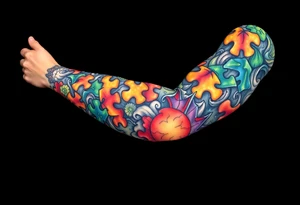
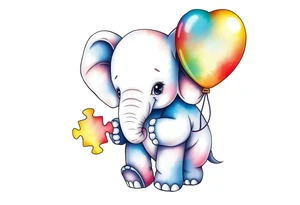
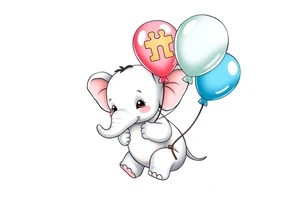
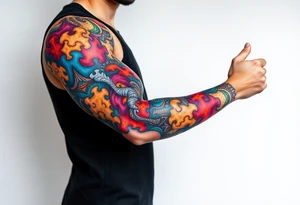
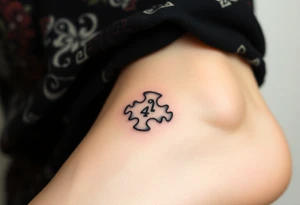
Several distinct symbols appear in autism tattoos, and each carries its own history. The puzzle piece is the oldest, adopted by advocacy organizations decades ago; it remains widely recognized but is now controversial, as many autistic people feel it implies they are incomplete or a mystery to be solved. The rainbow infinity symbol has grown popular within the neurodiversity movement, representing the diversity and endless variation of autistic minds. A gold or single-color infinity loop specifically signals autism, while the multicolored version covers neurodiversity broadly. Butterflies, semicolons, and interlocking hearts also appear, chosen for personal rather than official meaning. Knowing which symbol you wear matters, because they signal different attitudes toward the community.
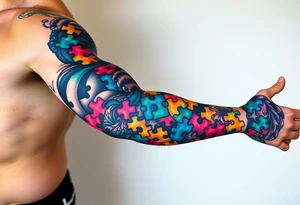
How These Tattoos Are Usually Designed

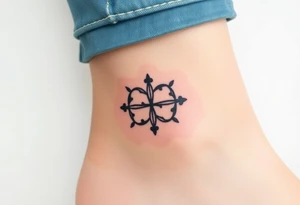
Style choices range from tiny minimalist line work to bold, colorful pieces. Puzzle-piece designs are often rendered in the classic blue, red, yellow, and green, sometimes arranged into a heart, ribbon, or scattered trail. Infinity symbols are frequently done in rainbow gradients or watercolor, and can be paired with a name, date, or short phrase for someone being honored. Many people incorporate a birth year, initials, or a meaningful word like "acceptance" or "different not less." Placement follows intent: wrists and forearms invite conversation, while shoulder blades, ribs, or the ankle keep the meaning personal. Fine-line and single-needle work suits small symbols, though heavily detailed color can fade faster and may need touch-ups.

What to Consider Before Getting One

Decide first whether the tattoo is about your own experience, a loved one's, or general advocacy, because that shapes which symbol fits. If you are autistic or part of the community, research the debate around the puzzle piece versus the infinity symbol so your tattoo says what you intend. If you are honoring someone, consider asking how they self-identify. Sensory factors matter too: the tattoo process involves prolonged noise, vibration, and touch, so plan placement, session length, and breaks accordingly. Choose an artist who listens and explains each step. Finally, sit with a temporary version or drawing for a while, since a symbol's public meaning can shift over time.
Autism tattoos — common questions

Is the puzzle piece a good choice for an autism tattoo?

It depends on your view. The puzzle piece is instantly recognizable and still used by some organizations, but many autistic people reject it, feeling it suggests they are broken or puzzling. If that meaning bothers you, the rainbow or gold infinity symbol is a widely accepted alternative rooted in the neurodiversity movement.

What does the infinity symbol mean in autism tattoos?

The infinity loop represents the limitless variation of neurological types. In rainbow, it stands for neurodiversity broadly; in gold, it specifically represents autism, since "Au" is the chemical symbol for gold. Many in the community prefer it as a positive, self-chosen alternative to the puzzle piece.

Can I get an autism tattoo if I'm not autistic myself?

Yes. Many people get these tattoos to honor an autistic child, sibling, partner, or friend, or to show support as an ally. If you're honoring someone specific, consider asking how they identify and which symbol they connect with, so your tattoo reflects their perspective too.