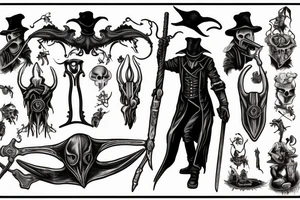
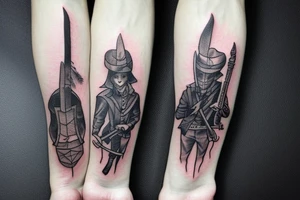
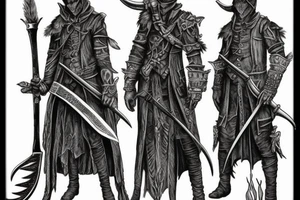
Bloodborne Tattoo Ideas — 40+ designs

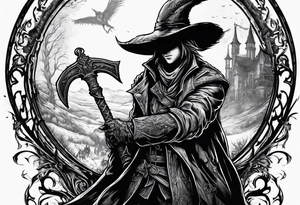
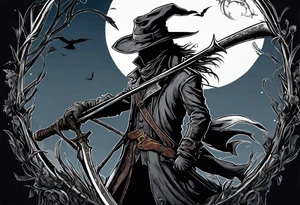
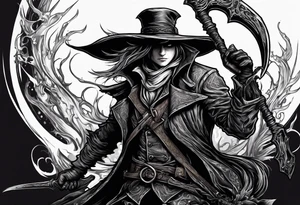
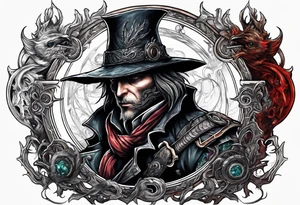
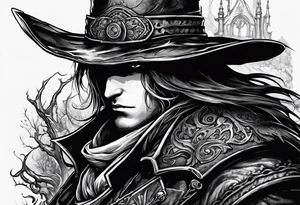
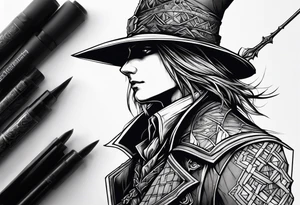
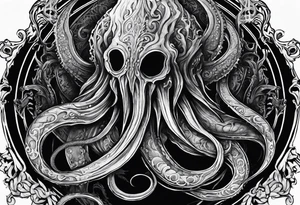
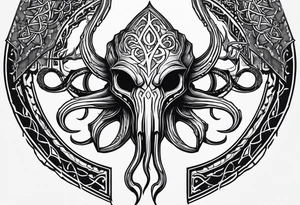
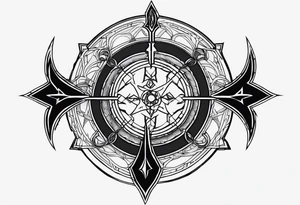
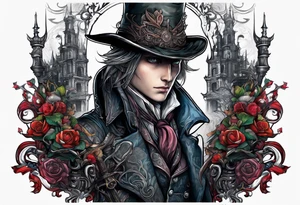
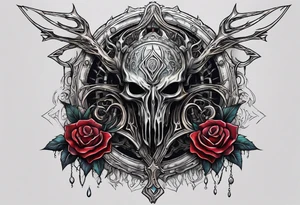
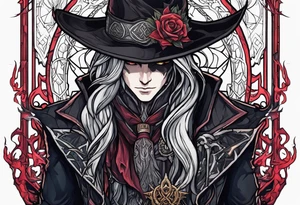
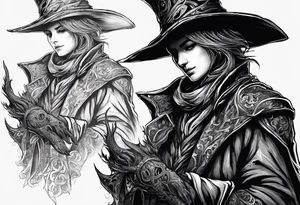
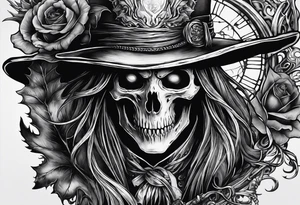
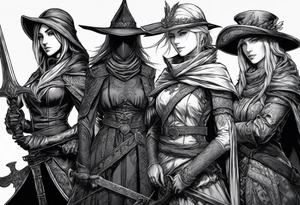
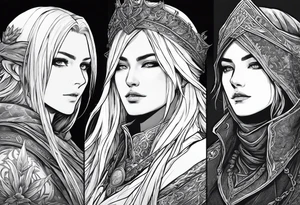
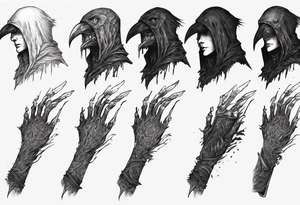
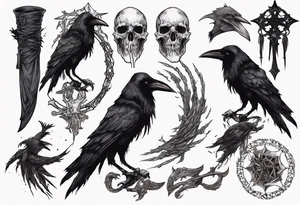
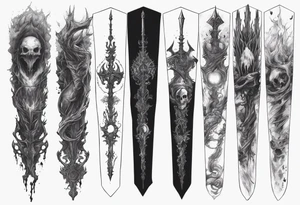
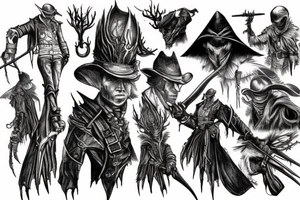
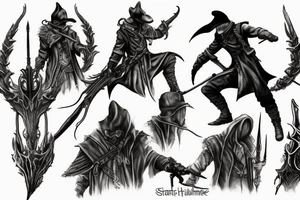
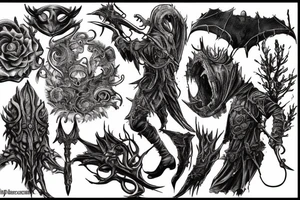
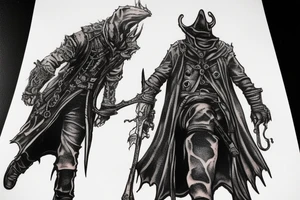
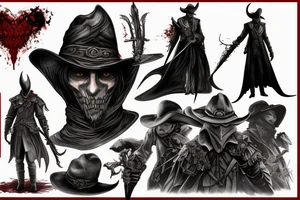
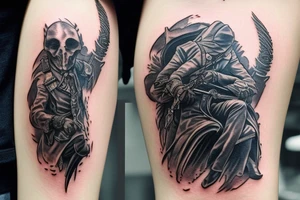
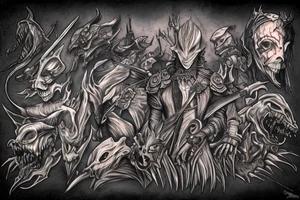
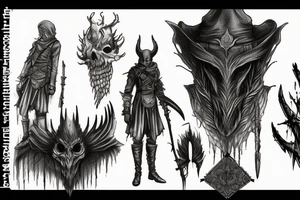
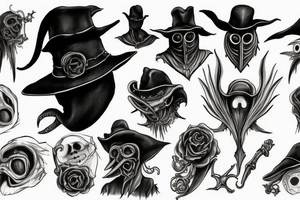
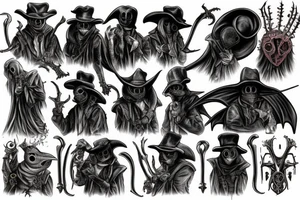
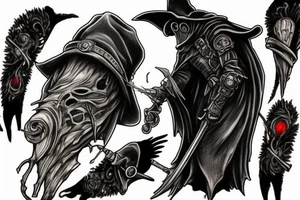
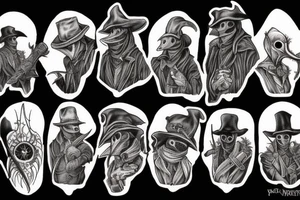
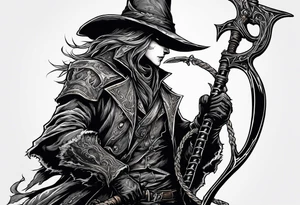
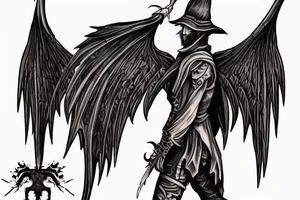
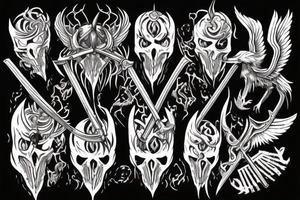
Bloodborne tattoos are inspired by the video game "Bloodborne" and typically feature elements from the game such as the Paleblood Moon, grotesque creatures known as beasts, and symbols like the Hunter's Mark. These tattoos represent a love for the game and its dark, gothic aesthetic. They can also symbolize resilience and the ability to overcome challenging obstacles, similar to the protagonist's journey in the game. Ideal placements for Bloodborne tattoos include the forearm, to showcase the intricate details and artwork, or the chest, to signify the strength and courage required to face the game's challenges. Below you will find a collection of bloodborne tattoo design ideas for you to browse and get inspired by.

Join 9,635 happy customers.

What Bloodborne Tattoos Symbolize

Beyond fandom, these designs carry layered meaning drawn from the game's themes. The Hunter's Mark often represents a hunter's oath and the cyclical nature of struggle. The Paleblood Moon signals transformation, obsession, and the thin line between humanity and beasthood. Many wearers read the imagery as a metaphor for confronting fear, mental health battles, or grief, mirroring the game's punishing but rewarding progression. The recurring motif of blood ministration and the beast plague speaks to corruption, addiction, or the cost of ambition. Because meanings are personal, two people wearing the same Cleric Beast or Moon Presence can attach very different stories to it, from resilience to a fascination with cosmic dread and the unknown.
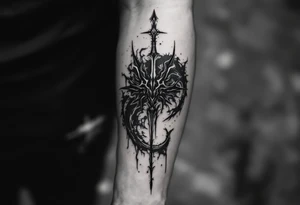
Where the Imagery Comes From

The visual language of Bloodborne blends Victorian Gothic architecture, Lovecraftian cosmic horror, and gothic religious iconography. The city of Yharnam, church-hunter garb, and grotesque beasts pull from 19th-century European horror aesthetics, while later story elements introduce eldritch "Great Ones" inspired by cosmic horror fiction. Symbols like the Hunter's Mark, the Workshop, and the Healing Church emblems are original to the game but echo real ecclesiastical and heraldic design. When people choose these tattoos, they are usually referencing that specific fusion of decaying gothic beauty and creeping alien horror, rather than any single real-world tradition. Understanding the source helps an artist keep proportions, texture, and mood faithful to the game's tone.
How They Are Usually Rendered and What to Consider

Bloodborne tattoos lean heavily on fine detail, deep blacks, and heavy shading to capture the game's murky atmosphere. Common styles include blackwork, dark realism, and neo-traditional for creatures and moons, while text like item descriptions or "Fear the Old Blood" is often set in gothic or serif lettering. Because dense, intricate work relies on contrast, larger placements such as the forearm, thigh, or back preserve detail as skin ages. Before committing, consider whether you want an instantly recognisable piece or something more subtle for those outside the fandom. Bring reference images, discuss aging and touch-ups, and choose an artist comfortable with heavy black shading and horror detail.

Bloodborne tattoos — common questions

What does the Hunter's Mark tattoo mean?

In the game, the Hunter's Mark is a symbol carried by hunters that lets them return after death. As a tattoo it commonly represents perseverance, second chances, and the willingness to keep fighting through hardship. Many wearers also choose it simply as a clean, recognisable emblem of their love for the game.

Are Bloodborne tattoos always dark and detailed?

Not necessarily. While much of the fanbase favours heavy blackwork and dark realism to match the game's mood, you can adapt the imagery into minimalist line work, small symbols, or subtle text. The Hunter's Mark or a simple moon works well as a smaller, less intense piece.

Will a detailed Bloodborne tattoo hold up over time?

Intricate designs with fine lines and dense shading can blur as skin ages, especially if placed small or in high-friction areas. Choosing a larger placement, an experienced artist, and following aftercare carefully all help. Periodic touch-ups may be needed to keep the contrast and detail looking sharp.