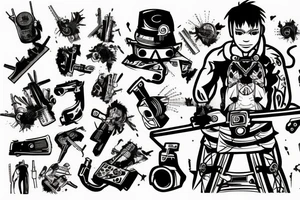
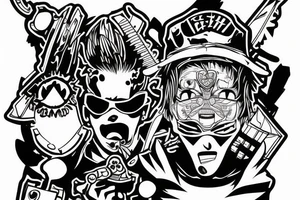
Chainsaw Tattoo Ideas — 40+ designs

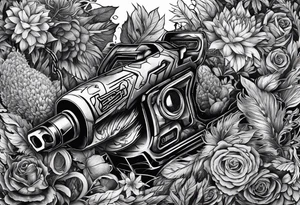
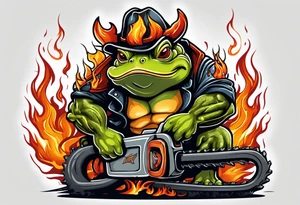
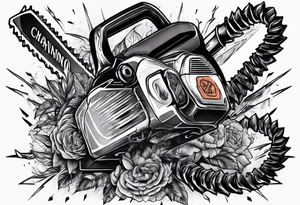
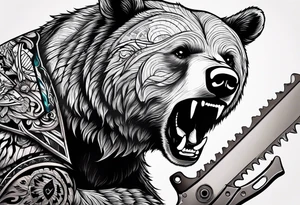
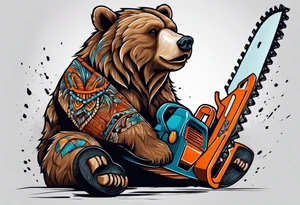
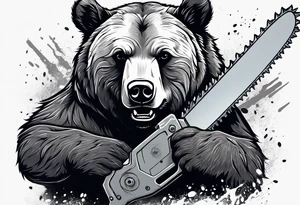
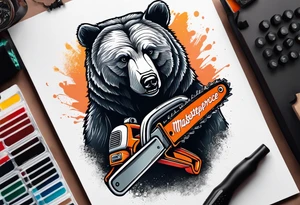
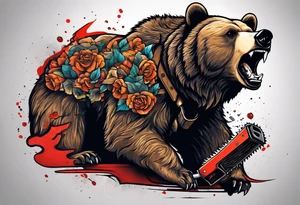
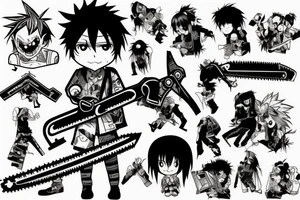
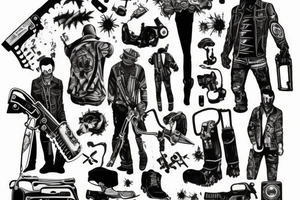
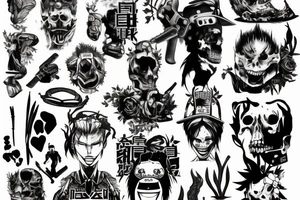
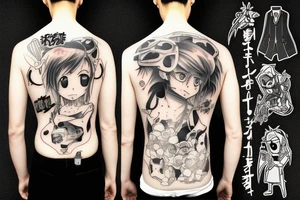
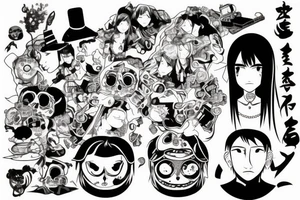
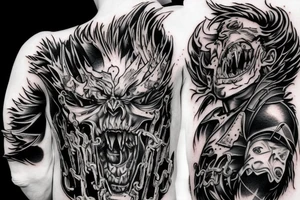
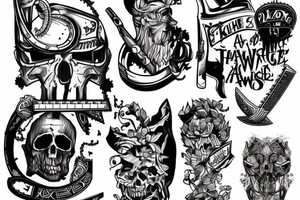
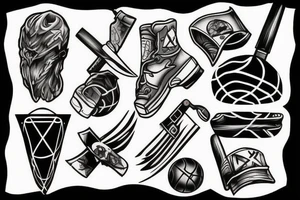
Chainsaw tattoos can have various meanings depending on the individual's interpretation. They are often associated with power and strength, representing a person's ability to overcome obstacles or destroy barriers. Chainsaws can also symbolize carnage or destruction, serving as a reminder of the darker side of human nature. Additionally, chainsaws may be linked to the horror genre and can be used to convey an affinity for horror movies or a love for the macabre. As for placement, chainsaw tattoos are commonly found on the upper arm or forearm, as these areas provide a larger canvas to showcase the intricate details of the chainsaw design. Below you will find a collection of chainsaw tattoo design ideas for you to browse and get inspired by.

Join 9,635 happy customers.

Deeper Layers of Meaning

Beyond raw power, a chainsaw tattoo often reads as a symbol of hard-earned transformation. Cutting through something implies clearing space for new growth, which is why some wearers frame it around a personal turning point, a habit broken, or a past cut away. For those in forestry, logging, arborist, or trade work, it can be a straightforward badge of profession and identity rather than menace. Others lean into contradiction: a destructive tool rendered with flowers, birds, or delicate linework, pairing violence with tenderness. Because the object carries no fixed cultural doctrine, the meaning you assign is largely personal. That flexibility is a strength, but it also means viewers may read danger or aggression where you intended resilience.
Where the Symbol Comes From

The chainsaw is a relatively modern object, and its tattoo imagery draws heavily from that recent cultural footprint rather than ancient tradition. Much of its symbolic weight comes from film, particularly slasher and horror cinema, where the roaring saw became shorthand for terror and unstoppable force. It also carries a genuine working heritage tied to logging, forestry, and manual labor, where the tool represents skill and livelihood. In tattoo culture, it sits comfortably within horror, biker, and heavy-music aesthetics. Understanding both roots helps you decide which story your piece tells: an homage to a favorite film, a nod to your trade, or a purely personal metaphor.
How Chainsaw Tattoos Are Usually Rendered

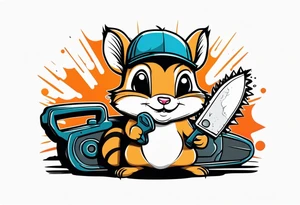
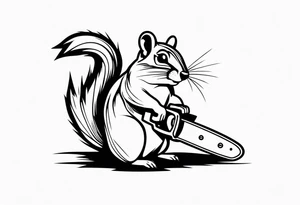
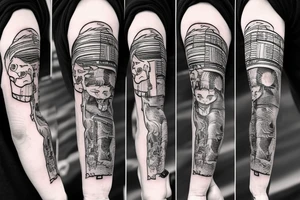
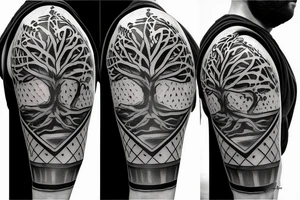
Style choices dramatically shift the tone. Realistic black-and-grey renderings emphasize mechanical detail, chain teeth, engine housing, and worn metal, making the piece feel gritty and technical. Neo-traditional and traditional versions use bold outlines and flat color for a punchier, less literal look. Horror-themed designs often add blood, sparks, or a menacing angle, while surreal takes blend the saw with organic elements like branches, roots, or bone. Text, dates, or names are sometimes woven in to anchor personal meaning. Larger placements such as the upper arm, forearm, thigh, or calf give room for detail, while smaller stylized versions can work on the wrist or ankle if simplified.
Chainsaw tattoos — common questions

Does a chainsaw tattoo always mean something violent?

No. While it can signal aggression or a love of horror, many people choose it for resilience, breaking through obstacles, or clearing away the past. Those in logging or trade work often wear it as a professional badge. The meaning depends entirely on how you frame it and the style you choose.

What styles suit a chainsaw tattoo best?

Realistic black-and-grey highlights mechanical detail, while neo-traditional adds bold color and stylized shapes. Horror fans favor blood and sparks; others soften the design with flowers, roots, or bone for contrast. Choose a style that matches the message you want, since it strongly shapes whether the piece reads as menacing or meaningful.

What should I think about before getting one?

Consider how others will interpret it, since a chainsaw can read as threatening out of context. Think about size and placement so the detail stays clear over time, and clarify your own meaning first. Bring reference images to your artist and discuss whether horror, realistic, or symbolic treatment fits you best.