Couple Tattoos — 900+ designs

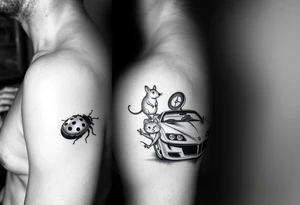
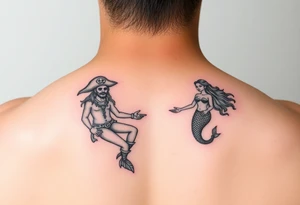
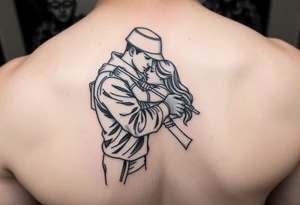
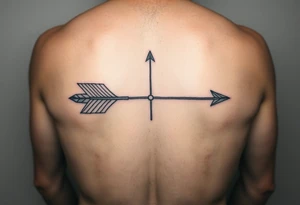
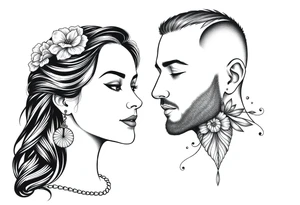
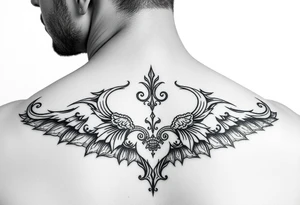
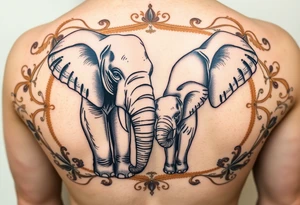
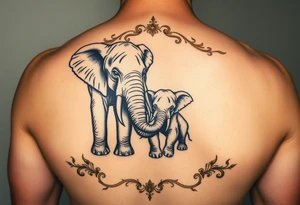
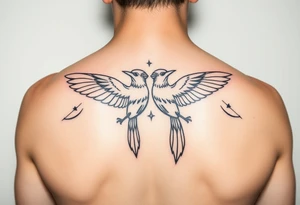
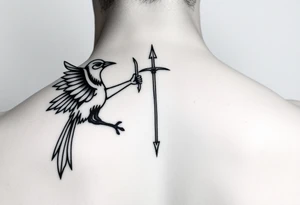
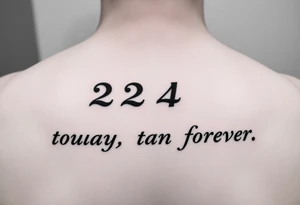
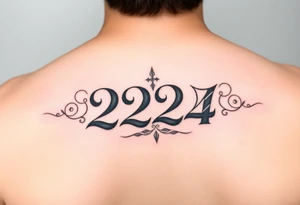
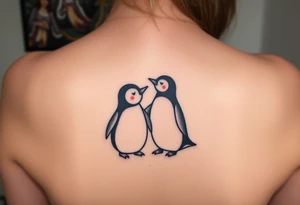
Couple tattoos work best when they hold up as individual designs first and as a pair second. The strongest ones don't need a caption — they read as a complete piece on your arm, and gain a second layer of meaning when your partner's arm is next to it. That could be two halves of a shape, the same object drawn from two angles, matching line weights on entirely different subjects, or a shared date rendered in a script you both like. The 935 designs in this gallery run from near-identical matching pieces to loosely linked companions, so it's worth deciding which end of that spectrum you're on before you start scrolling. Also worth settling early: whether you want the pair to be visible together often, or whether these are private pieces that only line up when you choose to show them. That single decision narrows placement, size and style faster than anything else. Below, the practical trade-offs — how matching and complementary approaches differ in practice, how placement affects whether two tattoos actually read as a set, and what to think through before booking. Below you will find a collection of couple tattoo design ideas for you to browse and get inspired by.

Join 9,635 happy customers.

Matching, mirrored or complementary?

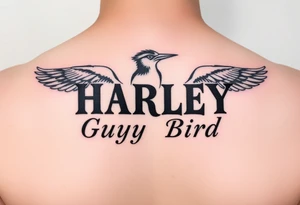
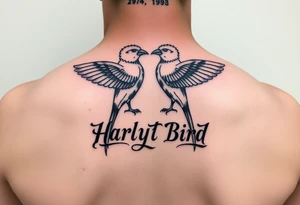
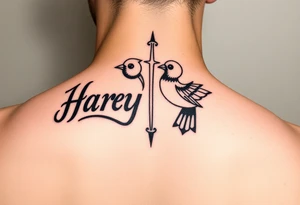
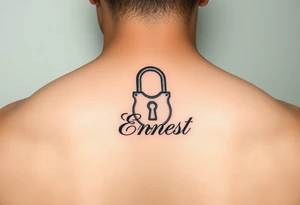
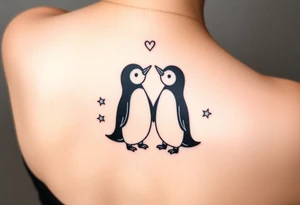
Identical tattoos are the simplest to execute and the easiest to place symmetrically, but they leave less room for personal taste — you're both committing to one design. Mirrored pieces (a shape that completes when placed side by side) look striking in photos but can feel unfinished alone, so check the half you'd wear stands up by itself. Complementary designs give the most freedom: sun and moon, key and lock, two different birds in the same linework, or the same subject in two styles. If you and your partner have different aesthetic instincts, complementary is usually the compromise that neither of you resents in five years.
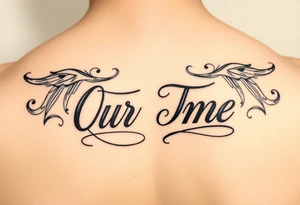
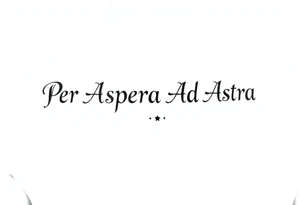
Placement, size and how the pair reads

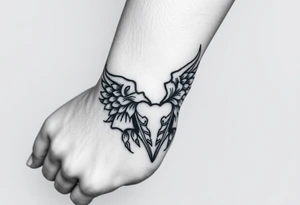
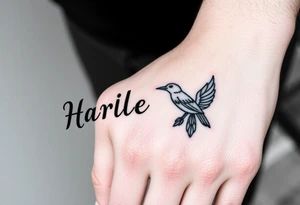
For designs meant to be seen together, choose placements that naturally sit close when you're side by side — outer forearms, wrists, the backs of hands, outer ankles. Inner arm and rib placements only align in specific poses. Small pieces reward simple shapes: fine detail under an inch tends to blur as it settles, so a clean silhouette beats a busy scene. If you want something larger, match the proportion to the limb rather than to each other — a design sized for a broad forearm won't translate directly onto a narrower one. Mirroring placement (both left wrists, or one left and one right) also changes how the pair looks when you hold hands.
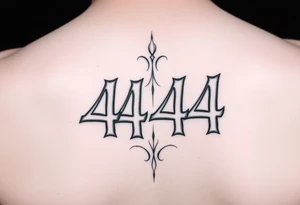
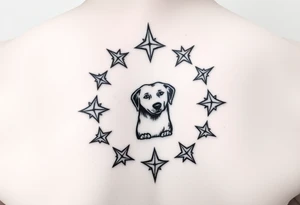
Styles that suit paired designs

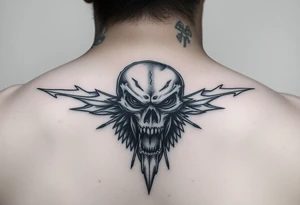
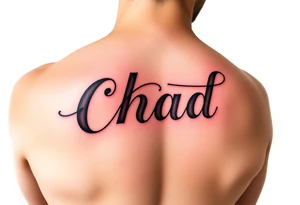
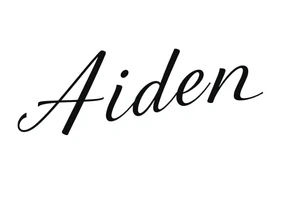
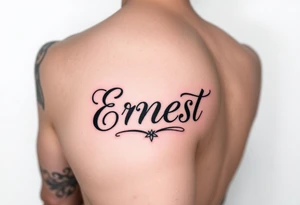
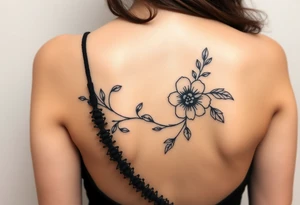
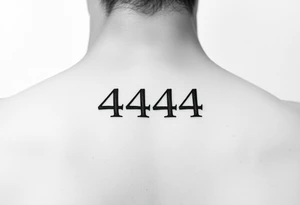
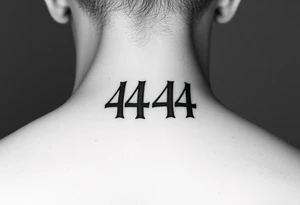
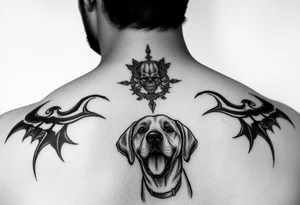
Fine line and minimal linework dominate this category because they scale down well and keep two pieces visually consistent even when the subjects differ. Bold blackwork and neo-traditional hold their shape over time and work well for medium pieces with a graphic silhouette. Script is popular for dates, coordinates and short phrases — keep it short, and be aware that very delicate lettering is the least forgiving choice as it ages. Illustrative and fine-detail styles give you room for personal symbolism, but they need enough space to breathe. Whichever direction you go, matching the line weight and colour approach across both tattoos is what makes them read as a set.

Couple tattoos — common questions

Should we get couple tattoos at the same appointment?

Doing both in one session is common and means the same artist keeps the linework consistent, which matters more than most people expect. If you'd rather not, ask the artist to keep the reference and notes so the second piece matches. Either way, book with one artist rather than two if consistency is the goal.

What if the relationship ends?

Choose designs that still mean something to you personally — a shared interest, a place, a symbol you both liked — rather than names or portraits. Symbolic pieces age into a memory rather than a problem. Names and initials are the hardest to live with afterwards and the most awkward to cover or rework later.

Do the two tattoos have to be the same size?

No, and often they shouldn't be. Different body sizes and placements mean identical dimensions can look proportionally off. Aim for visual balance instead — similar line weight, similar level of detail, similar amount of skin covered relative to the limb. That reads as a matched pair far more convincingly than identical measurements.