Coyote Tattoo Ideas — 40+ designs

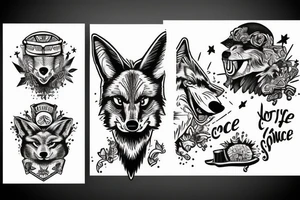
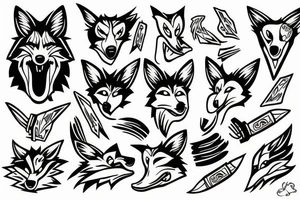
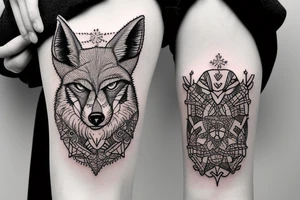
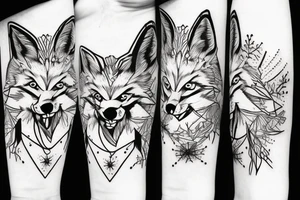
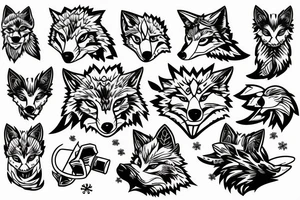
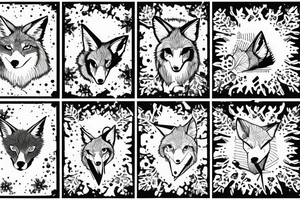
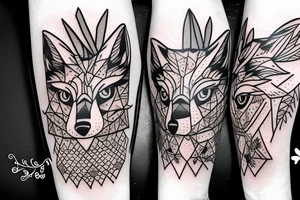
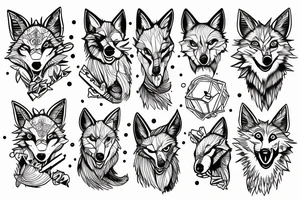
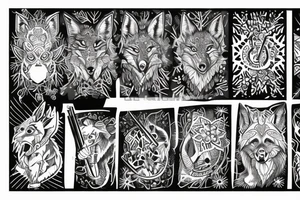
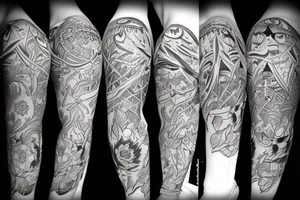
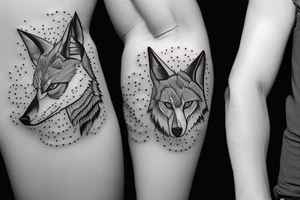
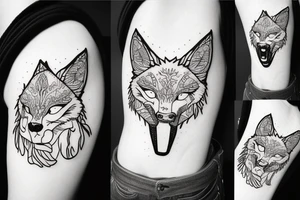
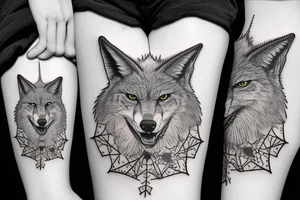
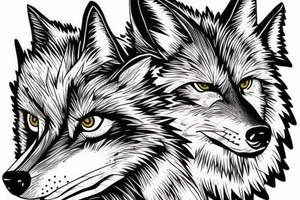
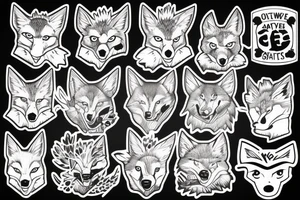
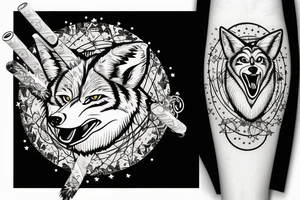
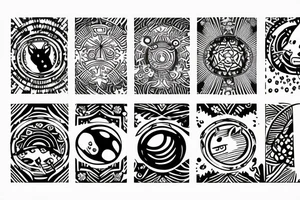
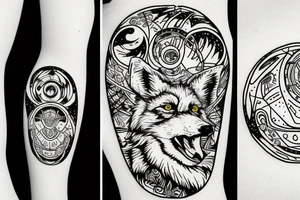
Coyote tattoos can have various meanings. In Native American cultures, the coyote is seen as a trickster figure, representing intelligence, adaptability, and the ability to navigate through difficult situations. Coyotes are also associated with cunning and stealth, serving as symbols of survival and resourcefulness. Additionally, they can represent a connection to the wilderness, freedom, and a sense of wildness within oneself. Coyote tattoos can be placed on the arm, symbolizing adaptability and resourcefulness, or on the back, representing a connection to nature and freedom. Below you will find a collection of coyote tattoo design ideas for you to browse and get inspired by.

Join 9,635 happy customers.

The Trickster Runs Deeper Than Mischief

The coyote's reputation as a trickster is often flattened into simple mischief, but in many Indigenous traditions of the Southwest and Great Plains, the figure is far more layered — a creator and a fool, a teacher who instructs by failing spectacularly. Meanings differ significantly between nations, and stories about the coyote are often tied to specific communities, seasons, or protocols for telling them, so no single interpretation speaks for all. Outside those traditions, the coyote has taken on a broader modern reading: the survivor that thrives where it isn't wanted, expanding across cities and suburbs while wolves retreated. For many wearers, that's the whole point — a symbol of persistence without permission, intelligence over brute strength, and the refusal to be domesticated.
How Coyote Tattoos Are Usually Drawn

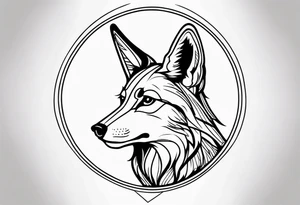
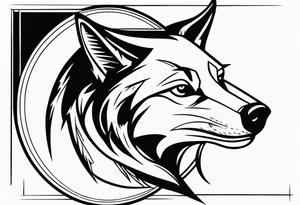
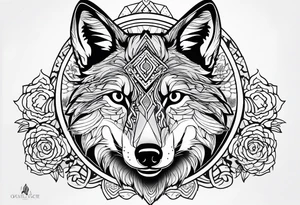
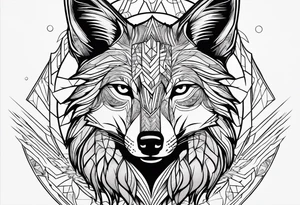
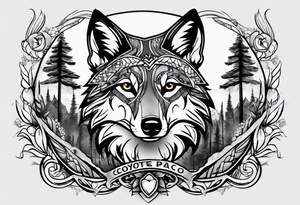
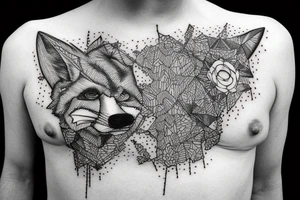
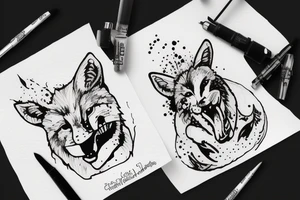
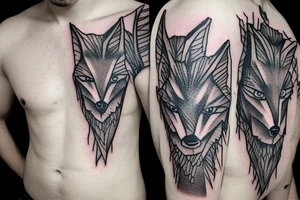
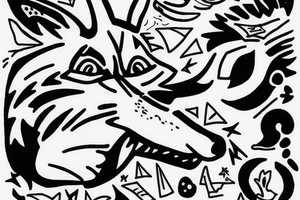
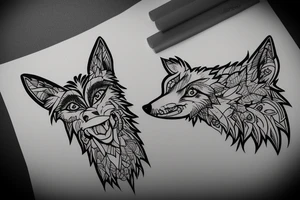
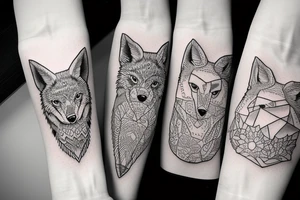
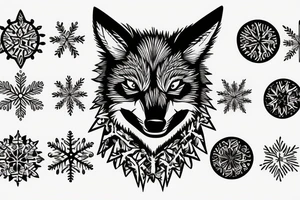
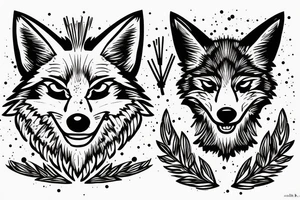
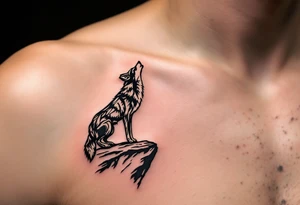
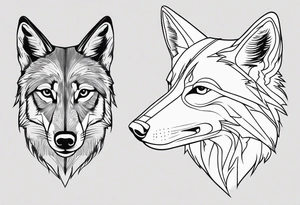
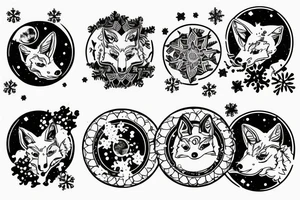
The most common rendering is the howling silhouette, head tilted skyward against a moon or a bank of desert hills — clean, graphic, and readable at small sizes. Fine-line and single-needle work suits the coyote's narrow muzzle and tall ears, capturing that lean, alert profile. Neotraditional pieces lean into bold outlines and a saturated palette of ochre, rust, and dusty sage. Blackwork and dotwork versions often build the animal from geometric shapes or fill the body with landscape: cactus, mesa, night sky. Portrait-style realism works well where there's room for coat texture and the distinctive yellow eye. Skull-and-flower combinations, tarot-style framing, and trickster imagery with masks or double faces all appear frequently in coyote designs.
Before You Commit to a Coyote

If you're drawn to the Native American trickster meaning specifically, consider whether that story belongs to your own heritage or community. Designs built on identifiable tribal art styles, ceremonial regalia, or imagery tied to a particular nation are best avoided unless you have a genuine connection to it — the animal itself is public, the cultural specifics are not. Also decide which coyote you want: the howling silhouette reads as romantic and wild, while a sharp-eyed portrait or a grinning trickster reads as clever and unsettling. Coyotes are easily mistaken for wolves, foxes, and dogs, so ask your artist to emphasise the slender muzzle, oversized ears, and thin, low-carried tail. Narrow placements like the forearm or calf suit the animal's elongated shape.

Coyote tattoos — common questions

What's the difference between a coyote tattoo and a wolf tattoo?

Wolves usually signal loyalty, pack bonds, and strength. Coyotes signal cleverness, adaptability, and solo survival — the animal that outlasts by outsmarting. Visually, coyotes are leaner with larger ears, a narrower muzzle, and a thinner tail held lower when running, so the two are easy to distinguish once an artist knows to emphasise those traits.

Is a coyote tattoo disrespectful if I'm not Native American?

The coyote as an animal is not restricted to anyone. What deserves care is borrowing specific tribal art styles, ceremonial imagery, or stories tied to a particular nation. A naturalistic or illustrative coyote is generally uncontroversial; a design copying a distinct Indigenous visual tradition is worth reconsidering or discussing with your artist.

Where does a coyote tattoo look best?

The coyote's long, narrow build suits vertical space — forearms, calves, and the outer upper arm all work well for a full standing or howling figure. Smaller silhouettes fit the ankle, wrist, or behind the ear. Larger landscape scenes with desert, moon, and mesa need the back, thigh, or ribs to breathe.