Dutch Tattoo Ideas — 40+ designs

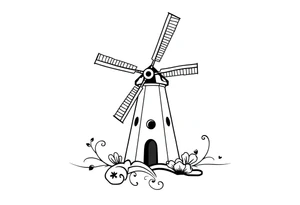
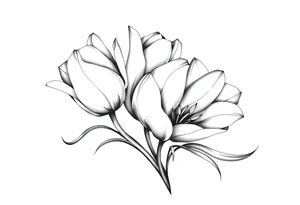
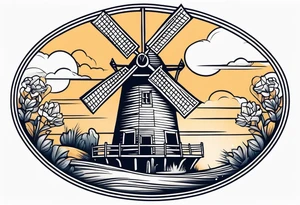
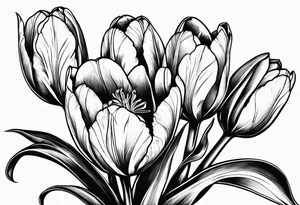
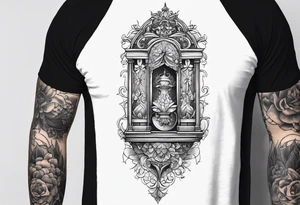
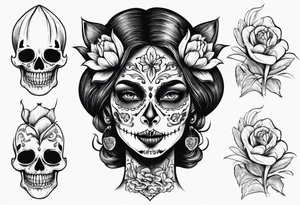
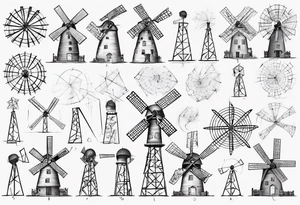
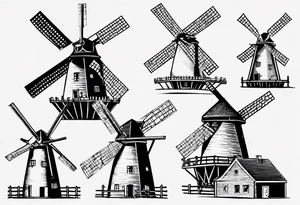
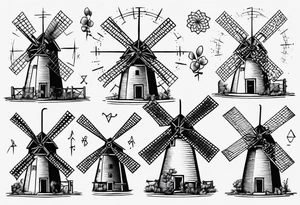
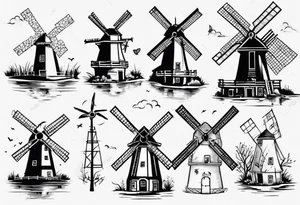
A Dutch tattoo could symbolize pride in Dutch heritage and culture, representing one's Dutch ancestry and national identity. It could also be a way to show love for the Netherlands and its traditions, such as windmills, tulips, or the iconic Dutch flag. The tattoo could serve as a reminder of meaningful experiences or travels in the Netherlands, capturing memories of the vibrant cities, picturesque countryside, or friendly locals. Another interpretation could be a tribute to famous Dutch figures or achievements in art, science, or history, such as Vincent van Gogh, Rembrandt, Anne Frank, or the Dutch golden age. Suitable locations for a Dutch tattoo include the shoulder, to showcase national pride, or the calf, as a nod to the Netherlands' cycling culture. Below you will find a collection of dutch tattoo design ideas for you to browse and get inspired by.

Join 9,635 happy customers.

What Dutch Symbols Actually Stand For

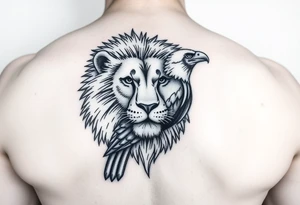
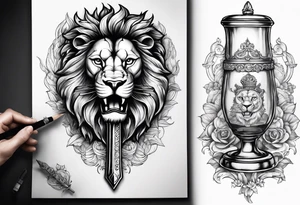
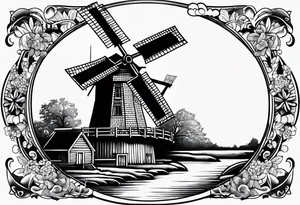
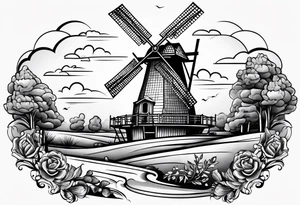
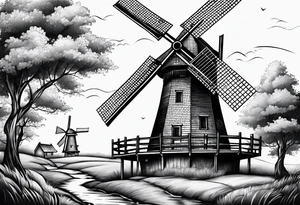
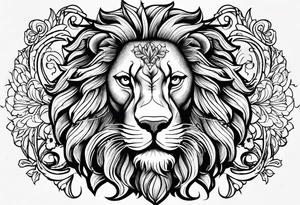
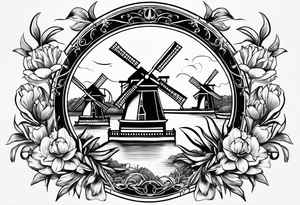
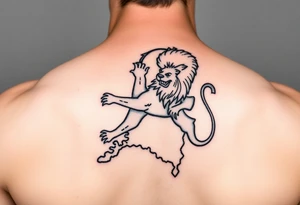
Each Dutch motif carries its own weight. The tulip is tied to the Netherlands' flower trade and, for many, to renewal and springtime after long grey winters. The windmill speaks to land reclaimed from water — a symbol of stubborn ingenuity, since much of the country sits below sea level. The lion of the Dutch coat of arms represents courage and sovereignty. Orange, drawn from the House of Orange-Nassau, signals national loyalty and shows up everywhere from football shirts to King's Day. Delft blue patterns evoke craft, home and domestic life. Choosing one over another shifts the message from patriotism to place, family or personal resilience, so it is worth deciding which thread you want the tattoo to carry.
Where the Imagery Comes From

Most Dutch tattoo iconography traces back to two sources: the landscape and the Golden Age. Polders, dikes, windmills and canals come from centuries of water management, which shaped both the terrain and the national self-image. Delft blue ceramics, tulips and richly detailed still life painting come from the seventeenth-century period of trade, art and scientific work that produced Rembrandt and Vermeer. Later figures widened the vocabulary — Van Gogh's brushwork is now one of the most tattooed styles in the world, and Anne Frank's diary carries a very different, far heavier weight. Because that history includes colonial trade and wartime occupation, some symbols read differently depending on family background. Knowing the origin of your chosen image keeps the meaning intentional rather than decorative.

Style, Placement and Things to Weigh First

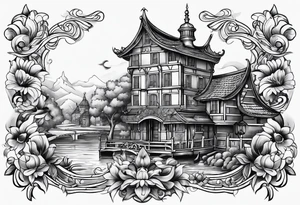
Delft blue works beautifully as blue-and-white linework, mimicking glaze on porcelain, and suits a forearm or thigh where the pattern can flow. Van Gogh-inspired pieces need colour packing and a swirling, painterly hand — look for an artist with fine art reproduction in their portfolio. Windmills and skylines sit well in fine line or blackwork on the ribs, spine or calf. Tulips scale down neatly for wrists and ankles. Before committing, consider whether the symbol will still fit you in twenty years: national imagery can feel very public, and flags in particular are hard to soften later. Something quieter — a single tulip, a canal house facade, a family surname — often carries the same meaning with more room to grow.

Dutch tattoos — common questions

Is a Dutch flag tattoo disrespectful?

No. The Dutch flag is commonly worn with pride and there is no religious prohibition on depicting it. That said, national flags read as a strong public statement, so think about whether you want the tattoo to be that direct. Many people choose the orange pennant, the lion or a tulip for a softer version of the same sentiment.

What is the most recognisable Dutch tattoo symbol?

The windmill and the tulip are the two most instantly readable. Delft blue patterning is close behind and tends to look the most distinctive as a tattoo, because the blue-on-skin palette is unusual. If you want something less expected, consider a canal house facade, a klompen silhouette or the lion from the coat of arms.

Does orange have a specific meaning in Dutch tattoos?

Yes. Orange comes from the House of Orange-Nassau, the royal line, and has become the national colour worn at football matches and on King's Day. In a tattoo it usually signals allegiance and celebration rather than anything solemn. Adding orange to an otherwise neutral design is a subtle way to mark Dutch identity.