Forearm Tattoo Ideas — 40+ designs
The forearm is the placement most people land on when they want a tattoo they'll actually see. Turn your wrist and it's there — which makes it a good fit for designs that mean something day to day, and a poor fit for anything you'd rather forget about. It's also one of the more forgiving areas to sit for: flat planes, generous skin, no bone sitting directly under the needle for most of the run. Inner forearm reads as personal and semi-private; outer forearm is the public face, visible in a short-sleeved shirt without you doing anything. The shape is the real design brief. You're working with a rectangle that tapers toward the wrist, roughly twice as long as it is wide, and it curves. Designs that respect that — vertical compositions, wrapping bands, panels that follow the muscle — settle in naturally. Designs fighting it tend to look cramped or oddly floating. This gallery covers both sides, both directions, and a wide spread of styles, so use it to test proportions before you commit to a stencil. Below you will find a collection of forearm tattoo design ideas for you to browse and get inspired by.


Join 9,635 happy customers.
Inner versus outer, and which way it faces
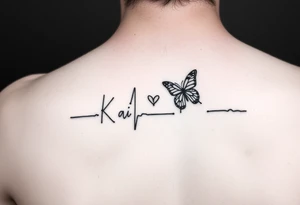
Inner forearm skin is softer and slightly more sensitive, and the area gets less sun, so ink there often holds its crispness longer. It suits script, small symbolic pieces and anything you want to read yourself. Outer forearm is tougher, broader and more visible to other people — better for bold graphic work, animals, portraits and pieces meant to be seen at a glance. Decide orientation early: does the design read upright to you when you look down, or upright to someone facing you? Lettering makes this decision unavoidable, and it's the single most common regret people describe after the fact. Sketch it on with a marker and live with it for a day.
Sizing that fits the shape
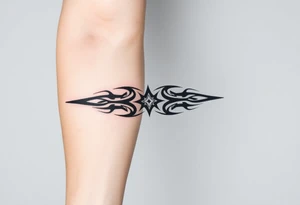
The forearm rewards vertical thinking. A tall, narrow composition — a snake, a stem of flowers, a lighthouse, a column of text — uses the full length without crowding the edges. Horizontal designs need to be small or they wrap awkwardly and lose half of themselves around the side. Bands and wraparound pieces work beautifully but require the artist to plan how the seam closes on the underside. Small standalone tattoos sit well on the inner wrist end or just below the elbow crease. If you're considering a half sleeve later, plan the first piece as part of that larger map rather than filling the centre and boxing yourself in.
Styles that hold up here
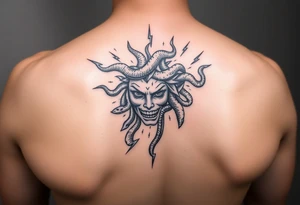
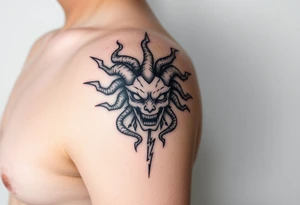
Fine line and single-needle work look elegant on the inner forearm, though very delicate lines soften over the years and may want touching up. Blackwork, bold traditional and neo-traditional thrive on the outer forearm, where strong outlines and solid fill stay legible from across a room. Realism and portraiture have enough room to breathe if you commit to a decent size — cramming a face into a small oval rarely flatters. Geometric and ornamental patterns suit the limb's symmetry and can be extended cleanly later. Watercolour and illustrative styles read well too, though softer edges benefit from an anchor of darker linework somewhere in the piece.
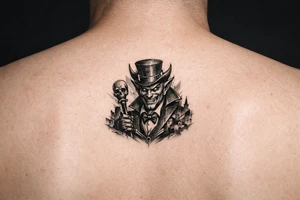
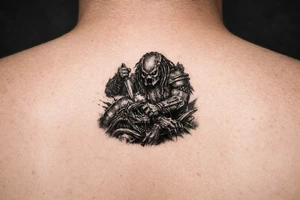
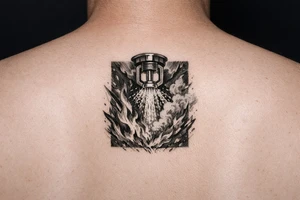
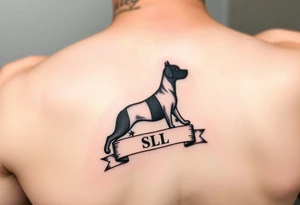
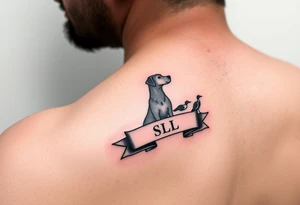
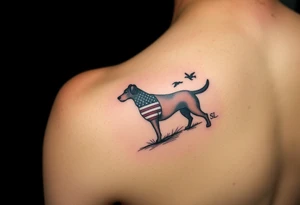
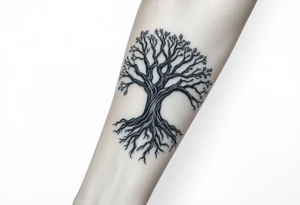
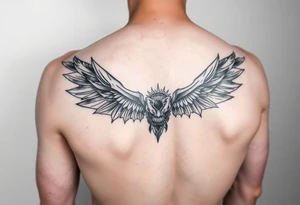



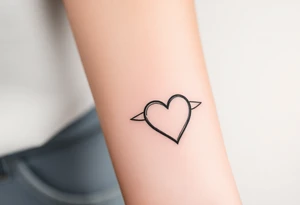
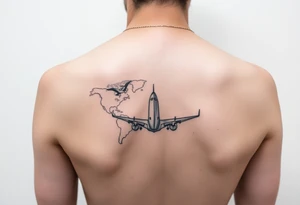
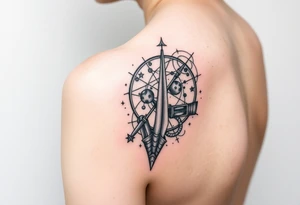
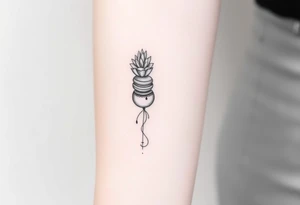
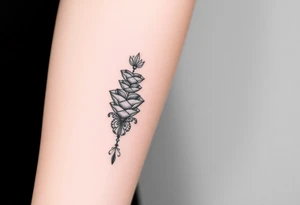

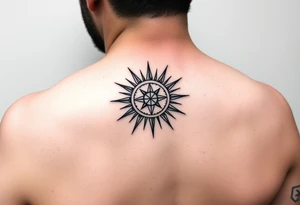
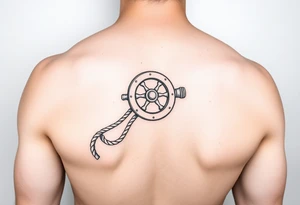
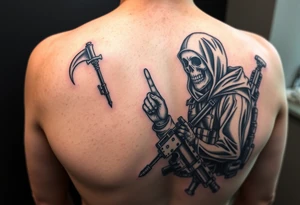

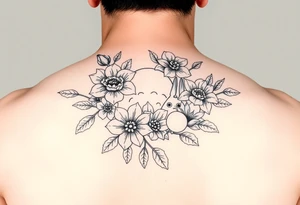


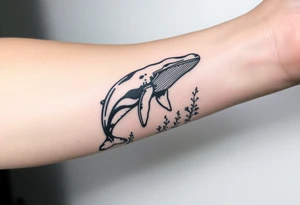
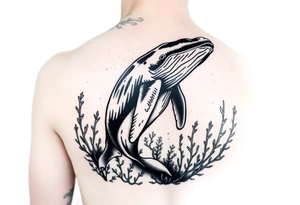
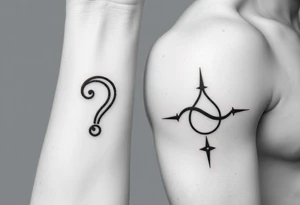
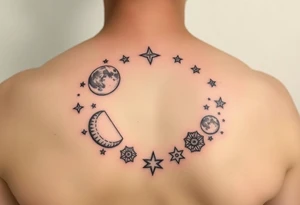
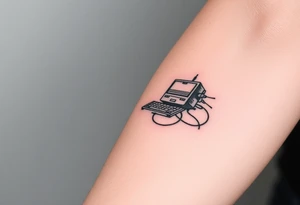
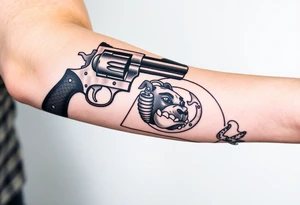
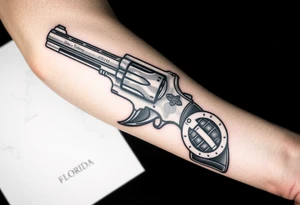
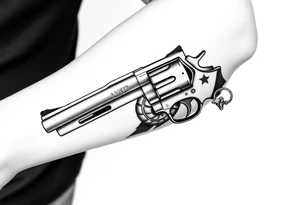
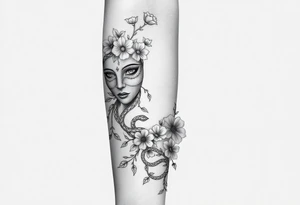
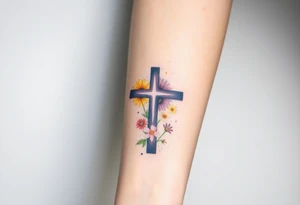
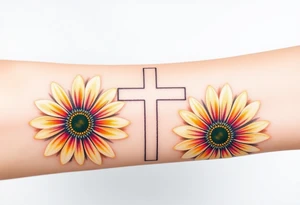
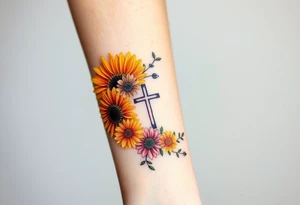
Forearm tattoos — common questions
How much does a forearm tattoo hurt?
Most people rate the forearm as moderate and manageable — it's often recommended as a first placement. The inner forearm and the skin near the wrist and elbow crease tend to be sharper than the fleshy middle. Sessions here are usually easier to sit through than ribs, feet or spine work.
Will a forearm tattoo fade faster than other placements?
The outer forearm gets a lot of sun, and sun exposure is the main driver of fading anywhere on the body. Keeping it covered or protected on bright days helps a great deal. Inner forearm pieces typically stay sharper for longer simply because they see less daylight.
Can I start a sleeve with a single forearm piece?
Yes, and many people do — but tell your artist that's the plan. Placement, size and negative space all change when a design is meant to connect later. Starting near the outer forearm or just below the elbow usually leaves the most flexible room to build upward and around.