Hand Tattoos — 800+ designs
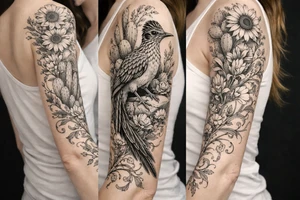
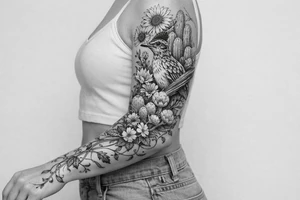
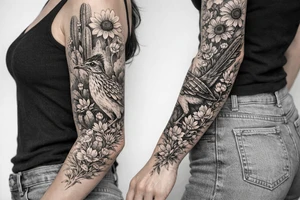
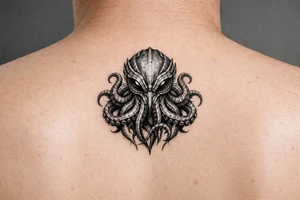
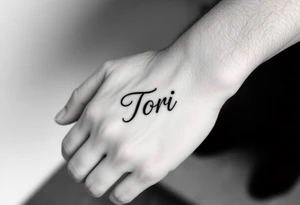
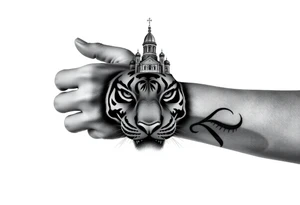
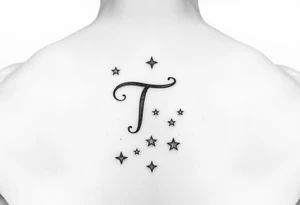
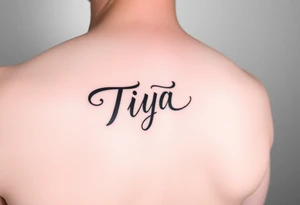
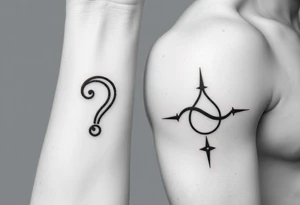
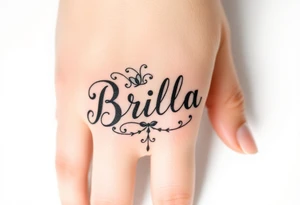
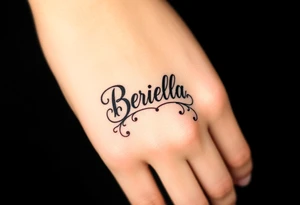
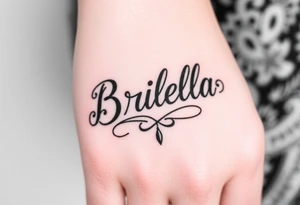
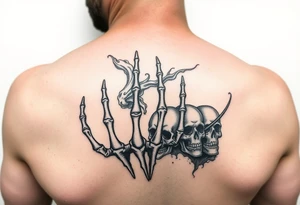
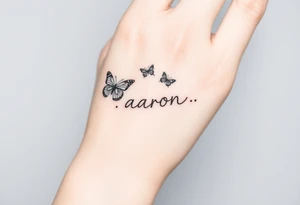
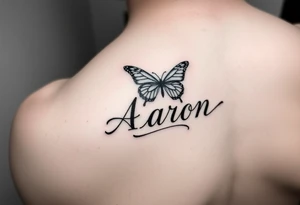
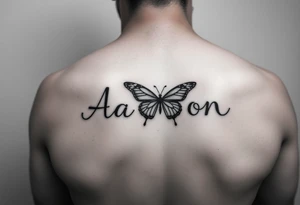
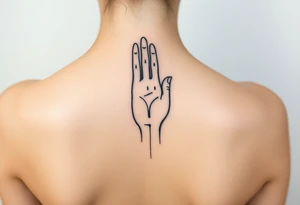
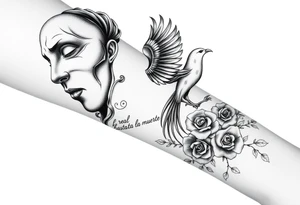
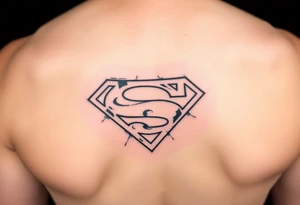
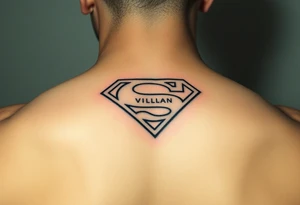
Hands are the most visible tattoo you can get, short of your face. That single fact shapes almost every decision that follows — what you put there, how bold you draw it, and whether you're ready for it to be part of every handshake, every photo, every job interview. Anatomically, the hand is a difficult canvas: thin skin over bone on the back, constant flexing across the knuckles, and palms and fingers that shed ink faster than almost anywhere else on the body. Designs that thrive here are simple, deliberate and drawn with heavier lines than you'd use on an arm. Small, delicate scripts and fine detail tend to blur and fade over years of washing, sun and friction. The gallery below spans everything from single-line knuckle symbols to full backhand ornamental panels, and it's worth browsing broadly before you narrow down. Pay attention to how each design sits against the shape of the hand — where the tendons run, where the fingers split, where the wrist breaks the line. Placement here is a design decision, not an afterthought. Below you will find a collection of hand tattoo design ideas for you to browse and get inspired by.


Join 9,635 happy customers.
What actually suits the hand
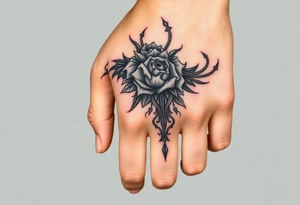
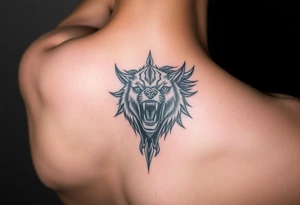
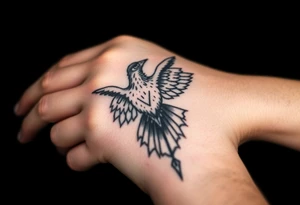
The back of the hand is the strongest real estate: a flat-ish surface with room for a contained motif — a moth, a dagger, a rose, a geometric panel, a small animal. Fingers suit short bands, single symbols and one or two characters per digit. Knuckles traditionally take four- or eight-letter words, one per joint. Side-of-hand and thumb webbing work for slim vertical elements. Palms and inner fingers are the least reliable areas; ink there often needs touching up and rarely holds crisp detail. As a rule, if a design still reads clearly when you shrink it to a thumbnail and blur it slightly, it will age on a hand. If it doesn't, it won't.
Size, shape and the anatomy underneath
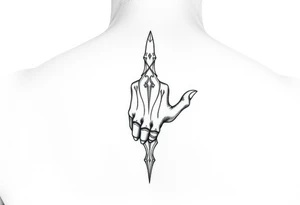
Hands are small and irregularly shaped, so designs should follow their structure rather than fight it. A motif on the back of the hand usually sits best centered between the wrist and the knuckles, roughly the width of two or three fingers, so movement doesn't distort it. Elongated subjects — snakes, swords, keys, feathers — naturally run wrist-to-knuckle. Round or radial designs like mandalas and ornamental patterns sit well on the same flat plane. Anything that crosses a joint needs to be tested with your hand both open and clenched, because a shape that looks balanced flat can crumple into something else entirely when you make a fist.
Styles that hold up, and what to weigh before committing
Bold-line traditional, blackwork, ornamental and tribal-influenced work all age well on hands because they rely on strong shapes rather than fine gradation. Simple linework and single-needle pieces can look beautiful fresh but are the most likely to soften over time. Fine-line color and photorealistic microdetail are the hardest asks in this location. Before you commit: hands are among the more painful placements, especially over bone and knuckles; they're the hardest area to keep out of daily use while healing; and many artists decline hand and finger work entirely, or will only do it on already-tattooed clients. Think honestly about your workplace, and consider starting somewhere less exposed if you're unsure.
Hand tattoos — common questions
Do hand tattoos fade faster than other placements?
Generally yes. Hands see constant washing, friction and sun exposure, and the skin on palms and fingers regenerates quickly. Backhand designs hold up reasonably well; finger and palm work commonly needs touching up. Choosing bolder lines and leaving breathing room between elements gives the design a much better chance long-term.
How painful is a hand tattoo?
Hands are widely considered among the more painful placements. The skin is thin, there's bone directly beneath much of it, and knuckles and finger sides are particularly sharp-feeling. The upside is that most hand designs are small, so sessions tend to be short rather than drawn-out.
Will an artist refuse to tattoo my hands?
Some will. Because hands are highly visible and hold ink unpredictably, plenty of artists set their own rules — declining first-timers, requiring existing visible tattoos, or refusing fingers and palms outright. It's worth asking upfront when you enquire, and being open to their advice on adjusting the design.