Hip Tattoos — 100+ designs

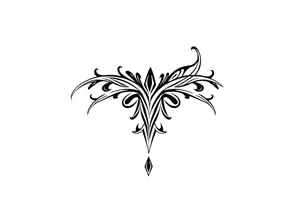
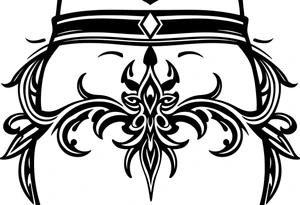
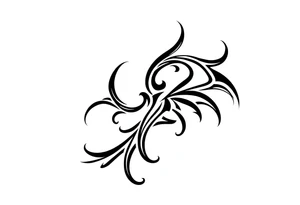
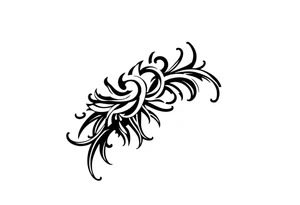
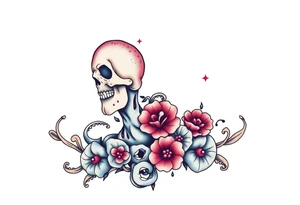
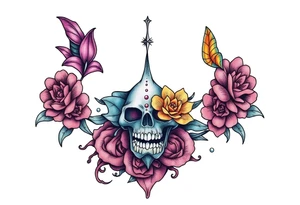
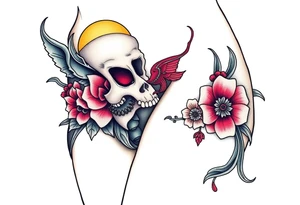
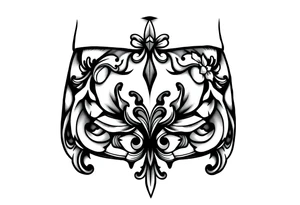
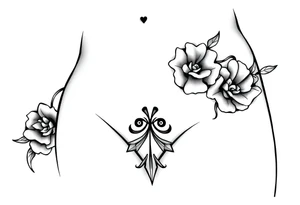
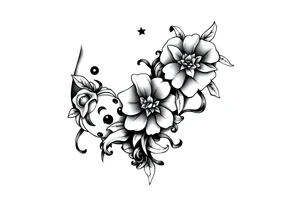
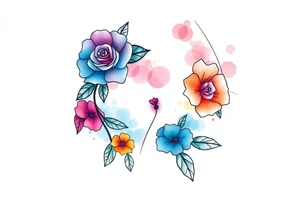
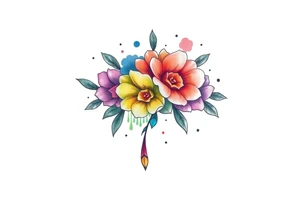
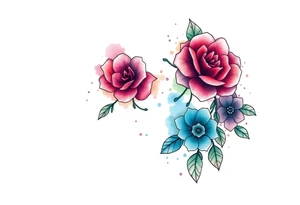
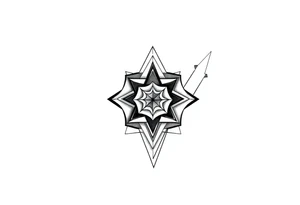
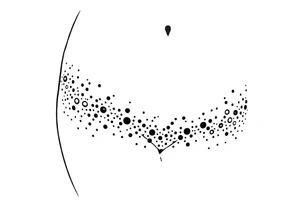
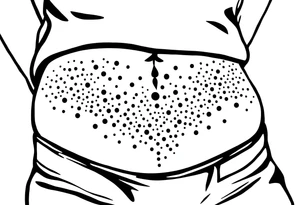
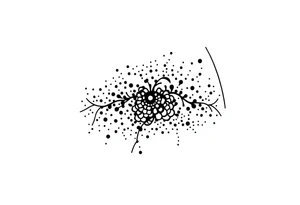
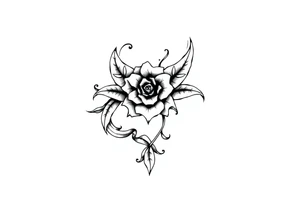
The hip is one of the most flattering places on the body for a tattoo, but it asks a bit more thought than a flat, open canvas like the forearm. It curves in two directions at once, sits over bone in some spots and soft tissue in others, and it's easy to hide or show depending on what you wear. That combination makes it a favourite for designs meant to feel personal rather than public. Whether you're drawn to a delicate line piece that follows the hipbone, a floral panel that wraps toward the thigh, or something bold that sweeps up onto the waist, the placement rewards designs that move with the body's shape instead of fighting it. This gallery collects 239 AI-generated concepts to help you see how different styles, sizes and orientations read on the hip. Use them as a starting point for a conversation with an artist, who can adapt any idea to your own proportions and the exact area you have in mind. Below you will find a collection of hip tattoo design ideas for you to browse and get inspired by.

Join 9,635 happy customers.

What suits the hip

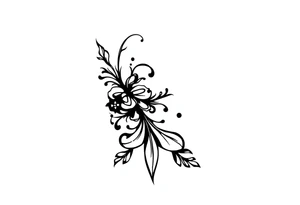
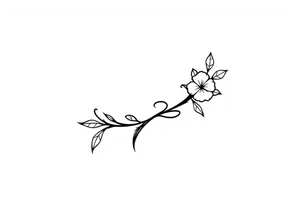
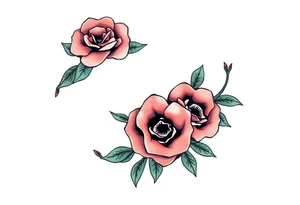
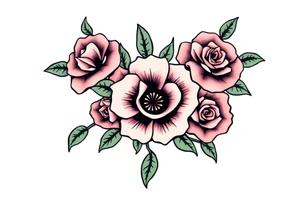
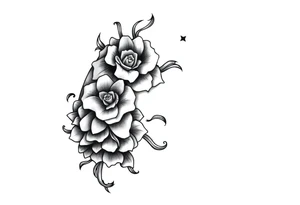
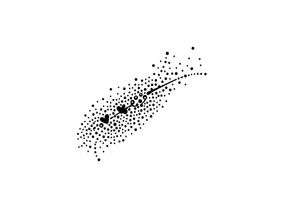
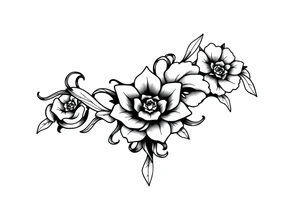
Designs that follow a curve tend to look best here. Think flowing florals, vines, snakes, script that arcs along the hipbone, or ornamental patterns that taper toward the thigh. The hip naturally frames vertical and diagonal compositions, so tall, sweeping shapes usually sit more comfortably than wide horizontal ones. Because the area moves and stretches, avoid overly rigid grids or perfectly straight lines that can appear to bend when you sit or twist. Softer, organic subjects forgive the body's motion. If you want something readable at a glance, keep it simple; the hip is often glimpsed rather than studied.
Size, shape and placement

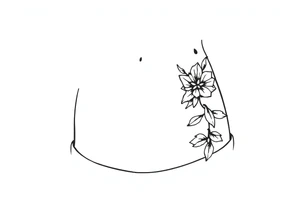
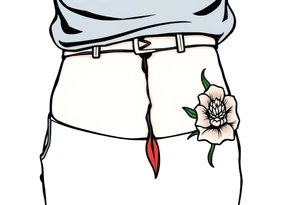
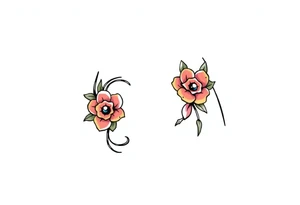
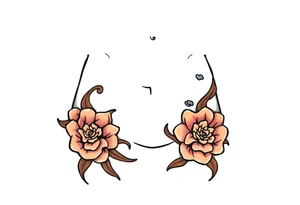
Small pieces work well tucked just below the hipbone or along the crease toward the front, where they stay private. Larger work can extend up onto the waist or down the outer thigh to create a longer, more dramatic line. Because the hip curves, your artist may want to stencil and adjust the design while you stand, so it flows correctly once you're upright. Consider how the shape will look both standing and sitting. Vertical and diagonal layouts generally handle the curve better than boxy ones, and leaving a little breathing room around the design keeps it from feeling cramped as skin shifts.

Before you commit

The hip sits close to bone in places, and bony areas are generally among the more sensitive spots to tattoo, so plan for a session that may feel sharper than a fleshier placement. Clothing matters too: waistbands and tight jeans can rub against fresh work, so loose bottoms are worth having ready for the healing period. Think about visibility over time and whether you want the piece easily concealed. Finally, bring reference images to your artist and be open to adjustments, since a design that looks great flat on screen often needs reshaping to sit naturally on a curved area.
Hip tattoos — common questions

Do hip tattoos hurt more than other placements?

It varies by person and by exact spot. Areas directly over the hipbone tend to be more sensitive because there's less padding, while fleshier parts toward the outer thigh are usually gentler. Bony placements are generally considered among the more intense, so plan for a session that may feel sharper.

Can a hip tattoo be hidden easily?

Yes, that's part of its appeal. Most everyday clothing and underwear cover the hip and upper thigh, so you control when it shows. If discretion matters for work or personal reasons, position the design lower or more toward the front where waistbands sit.

What styles work best on the hip?

Flowing, curve-friendly styles shine here: fine line florals, botanicals, script, ornamental patterns and serpentine shapes that follow the body. Vertical and diagonal compositions handle the curve better than wide, boxy ones. Bold work can extend up the waist or down the thigh for a longer, dramatic sweep.