Honeysuckle Tattoo Ideas — 40+ designs
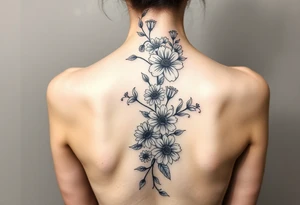
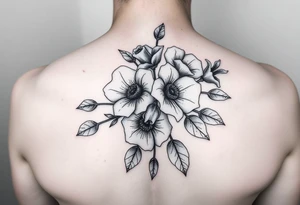
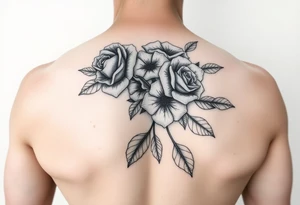
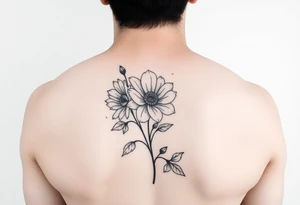
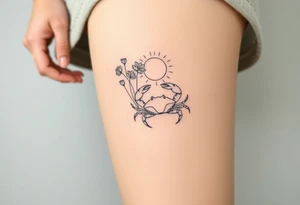
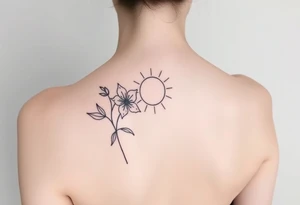
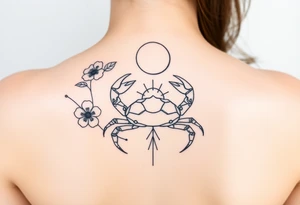
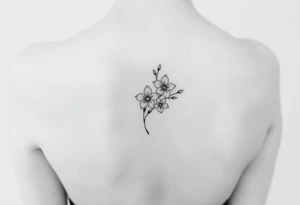
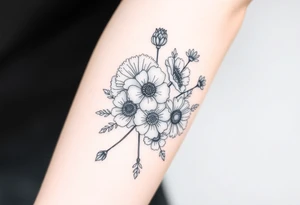
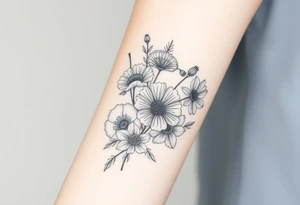
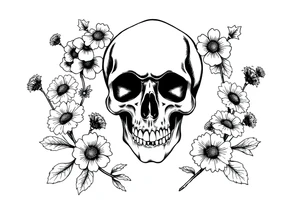
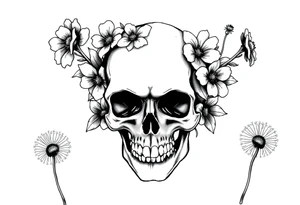
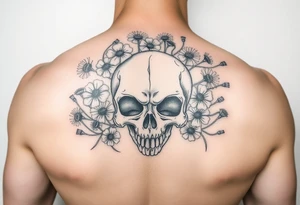
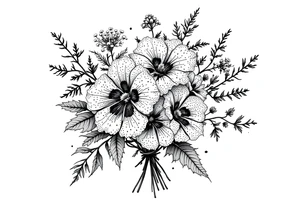
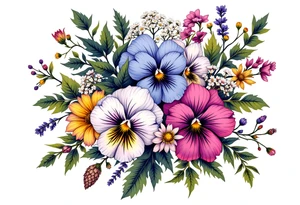
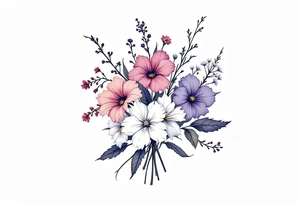
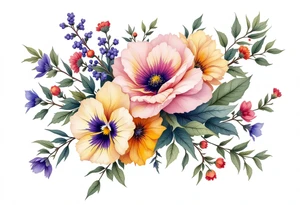
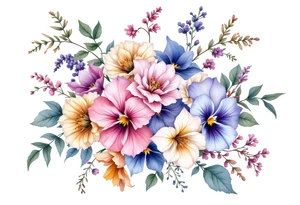
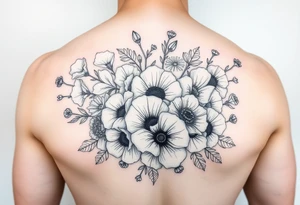
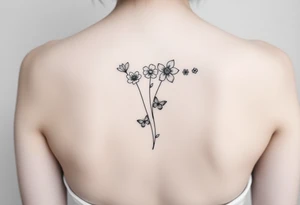
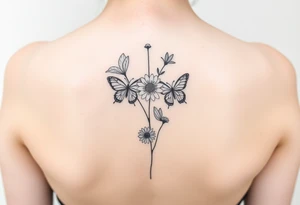
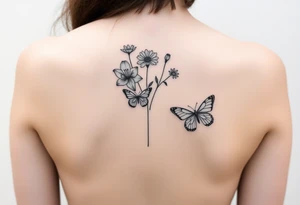
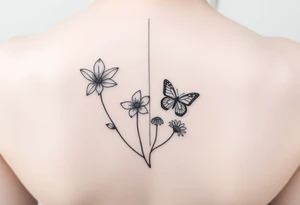
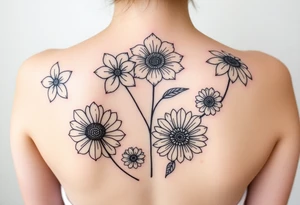
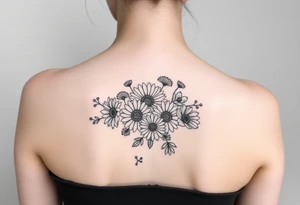
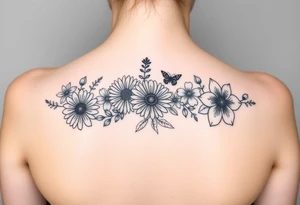
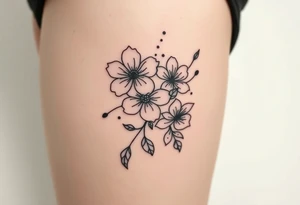
Honeysuckle tattoos can have different meanings depending on cultural interpretations. In general, honeysuckle represents sweetness, love, and affection due to its delightful fragrance and its association with attracting bees and butterflies. It can also symbolize happiness, joy, and optimism. Additionally, honeysuckle is often associated with nostalgia and remembrance, as its scent can evoke memories of childhood or past experiences. Some may also interpret the honeysuckle as a symbol of resilience and tenacity, as it thrives in harsh conditions and can climb and overcome obstacles. Suitable locations for honeysuckle tattoos include the forearm or wrist, symbolizing love and sweetness, or the back or shoulder, representing resilience and growth. Below you will find a collection of honeysuckle tattoo design ideas for you to browse and get inspired by.


Join 9,635 happy customers.
The Deeper Symbolism Behind Honeysuckle
Beyond its general sweetness, honeysuckle carries a specific romantic weight: because the vine wraps tightly around whatever it grows on, it has long stood for devoted, clinging love and the bonds between people who refuse to let go. In the Victorian language of flowers, honeysuckle was linked to affection and the sweetness of a lasting union. Its climbing habit adds a second layer — steady progress and holding fast through difficulty. For some, the fleeting nature of its scent makes it a marker of memory and the desire to hold on to something that fades. This mix of tenderness and tenacity is what draws many people to the design.
Where the Meaning Comes From
Honeysuckle's associations grew from how the plant actually behaves. Its nectar-rich, fragrant flowers attract bees and butterflies, tying it to sweetness and abundance. Its twining vines, which grip and climb, gave rise to meanings of devotion and inseparable bonds. Much of the modern floral symbolism traces to 19th-century floriography, the Victorian practice of assigning sentiments to flowers, where honeysuckle signified generous, affectionate love. The plant also appears in various folk traditions across Europe and Asia, though meanings shift between them, so it's worth noting the specific tradition you're drawing on rather than treating any single reading as universal.
How Honeysuckle Tattoos Are Usually Rendered
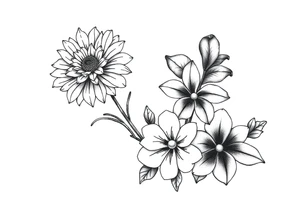
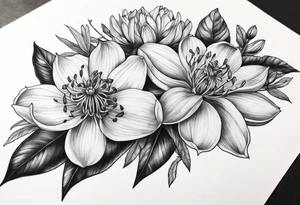
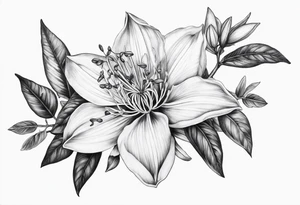
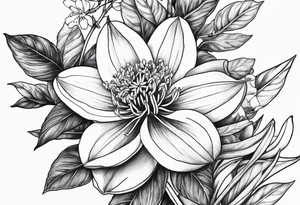
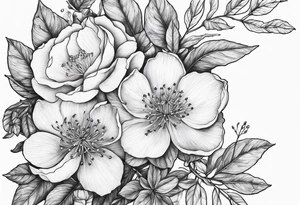
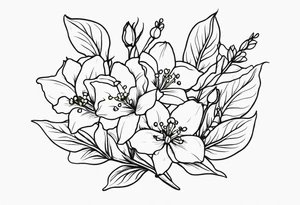
Honeysuckle is recognisable by its trumpet-shaped flowers that flare open in clusters, paired with paired leaves along a curving vine. That vine makes it a natural fit for designs that wrap or trail across the body — around a wrist, up a forearm, along a collarbone or spine. Fine-line black-and-grey work highlights the delicate petals and stamens, while watercolour and colour realism play up the creamy yellow, white and pink tones. Many people pair honeysuckle with bees, butterflies or hummingbirds to reinforce the sweetness theme, or combine it with other meaningful flowers. Its flowing shape also suits larger, connected pieces built over several sittings.

Honeysuckle tattoos — common questions
Is honeysuckle a good tattoo for a couple or partner?
Yes. The vine's habit of twining tightly around whatever it climbs makes it a strong symbol of devotion and inseparable bonds, which is why it suits couples or tributes to a partner. Some choose matching stems that appear to grow toward each other, reinforcing the idea of two lives entwined.
Does the colour of the honeysuckle change its meaning?
Not in any fixed way. Honeysuckle blooms range from creamy white and yellow to pink and coral, and choices are usually aesthetic rather than symbolic. That said, you can lean on your own associations — brighter tones for joy and optimism, softer palettes for nostalgia and remembrance.
What should I consider before getting a honeysuckle tattoo?
Think about placement, since the vine looks best on curving or long areas like the forearm, spine or collarbone. Decide whether you want fine-line, colour or realism, as detail affects size. Consider whether to add bees or butterflies, and confirm your artist is comfortable with delicate floral linework.