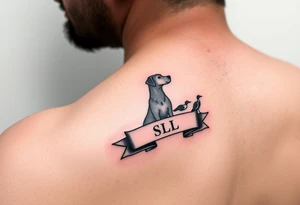
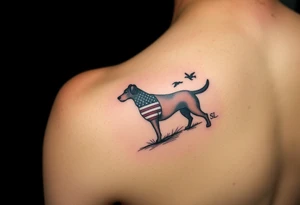
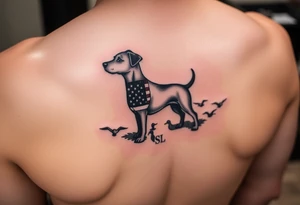
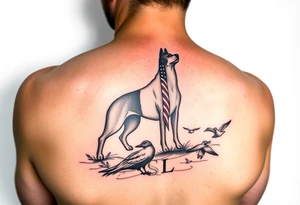
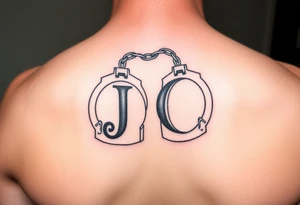
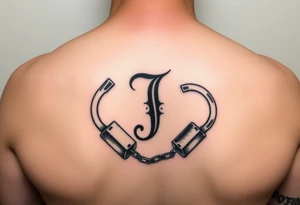
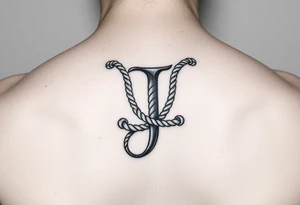
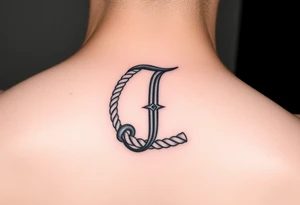
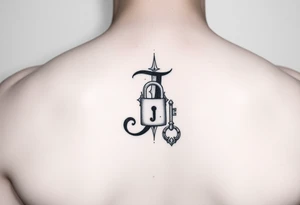
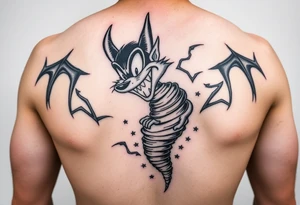
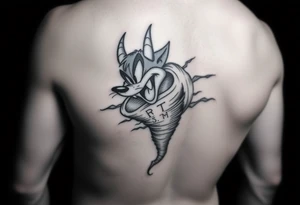
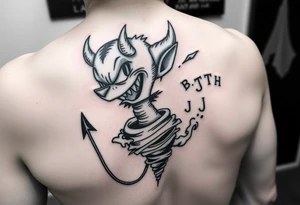
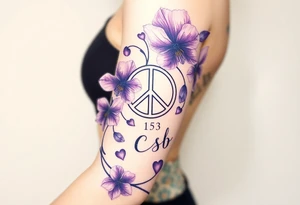
Initial Tattoo Ideas β€” 40+ designs

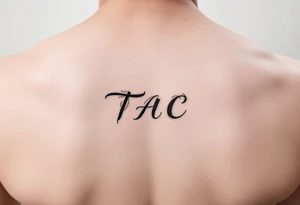
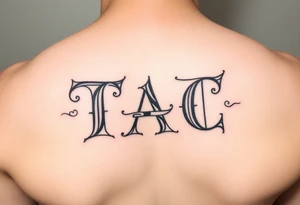
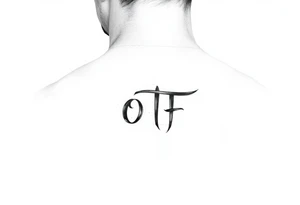
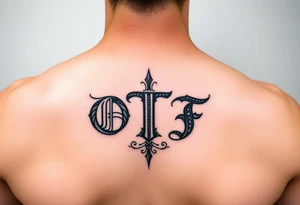
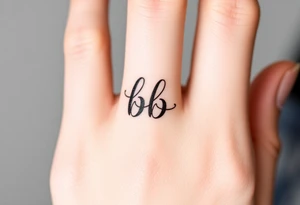
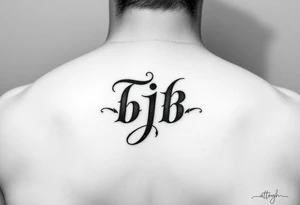
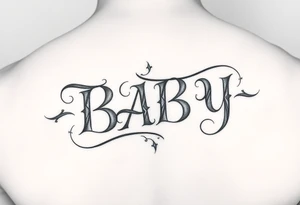
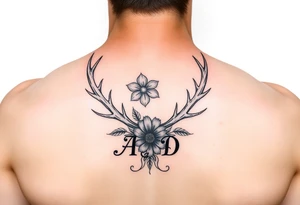
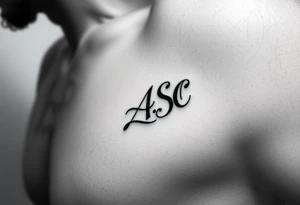
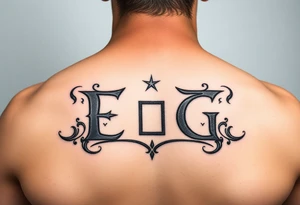
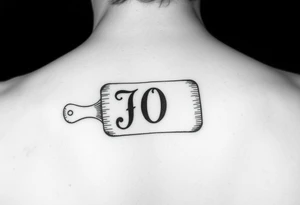
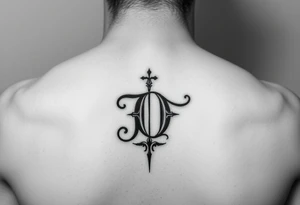
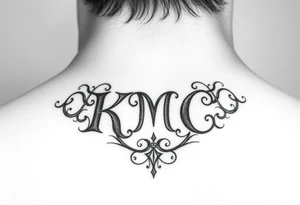
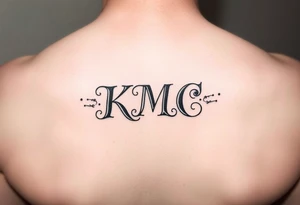
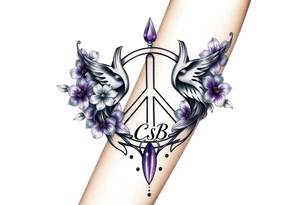
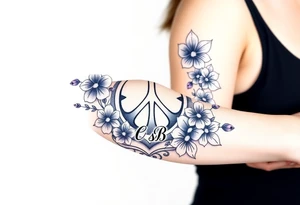
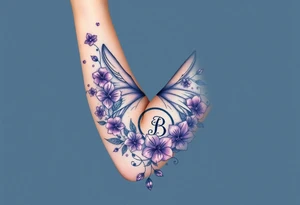
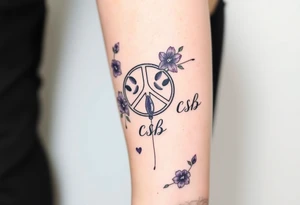
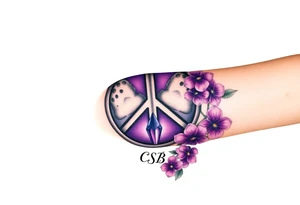
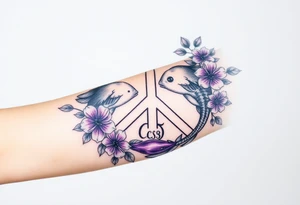
Initial tattoos typically represent someone's initials or the first letter of a loved one's name. They can serve as a way to honor and remember a person, signify loyalty, or symbolize personal identity. Initial tattoos can be placed anywhere on the body, but popular locations include the wrist, representing an easily visible reminder, or the collarbone, symbolizing closeness to the heart. Below you will find a collection of initial tattoo design ideas for you to browse and get inspired by.

Join 9,635 happy customers.

What a Single Letter Actually Carries

A letter is the smallest tattoo that can still hold a whole person. Because it names without explaining, an initial stays private in public β€” readable to everyone, meaningful only to you and the few who know. That ambiguity is the point for many wearers: a child's first letter, a parent who died, a partner, a chosen name, or a version of yourself you're claiming. Some people ink their own initial as a mark of self-ownership rather than devotion to anyone else. Others stack two letters to bind a relationship, or repeat a single one for siblings. The meaning is not fixed by the shape; it is supplied entirely by the wearer, which makes an initial one of the few tattoos that can quietly change meaning over a lifetime without changing form.
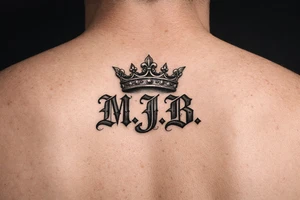
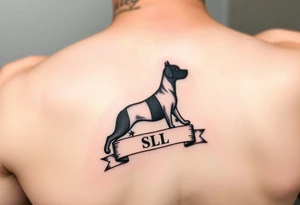
Where the Idea Comes From

Marking ownership and identity with letters is old and widespread. Monograms and cyphers were used on seals, signet rings, linens, luggage, silverware and stationery long before they moved onto skin β€” a way of saying this belongs to, or was made by, this person. Illuminated manuscripts turned the opening letter of a text into an artwork in itself, which is why decorated capitals still feel ceremonial. Sailors, soldiers and prisoners carried initials of sweethearts and family in some of the earliest documented Western tattoo traditions, often hand-poked and plain. Modern initial tattoos inherit both threads: the elegance of the engraved monogram and the blunt sentiment of a name scratched in to survive a long absence.
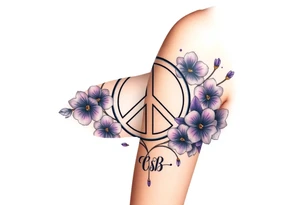
Style, Size and Things Worth Settling First

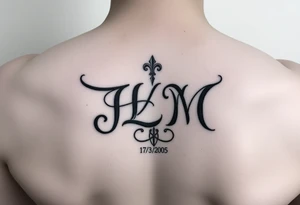
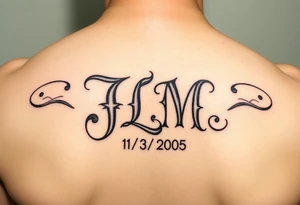
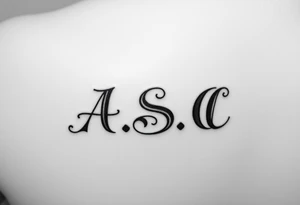
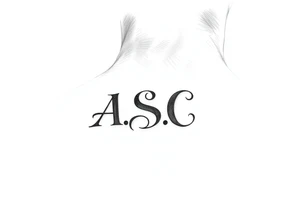
Common renderings include fine-line script, hand-lettered calligraphy, serif or typewriter capitals, blackletter, interlocking monograms, and letters hidden inside another element β€” a wave, a flower stem, a mountain ridge, a constellation. Very small, very thin lettering is the most common request and the most likely to soften or blur as it ages, so many artists suggest going slightly larger, choosing simpler letterforms, or avoiding tight enclosed loops. Fingers, inner wrists and other high-friction spots typically need more touch-ups. Decide before you book: exact letter or letters, upper or lower case, the typeface or hand style, whether a date or symbol joins it, and how you'll feel if the relationship behind it changes. Bring reference images β€” vagueness on lettering rarely ends well.

Initial tattoos β€” common questions

Is it bad luck to get a partner's initial tattooed?

There's no superstition attached, just practical risk. Initials are among the easiest tattoos to cover or rework precisely because they're small and abstract β€” a letter can become a botanical, a shape, or blackwork. If you're uncertain, keep it small, keep it simple, and place it somewhere with room around it for future adjustment.

What's the difference between an initial and a monogram tattoo?

An initial is one letter standing alone. A monogram interlocks two or more letters into a single designed unit, often with a dominant central letter. Monograms read as decorative and formal, drawing on engraving traditions; single initials read as personal and understated. Monograms need more space to stay legible as the ink settles.

How small can an initial tattoo be?

Artists can work very small, but legibility over decades is the real limit. Tiny letters with fine lines and tight curves tend to spread slightly, and details can merge. Ask your artist what minimum size suits your chosen letterform and placement β€” script and blackletter usually need more room than plain capitals.