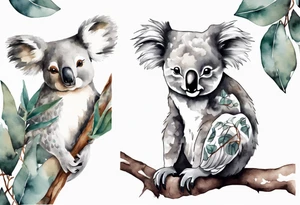
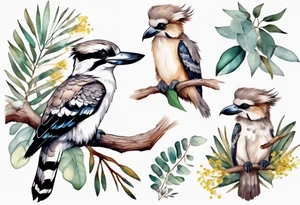
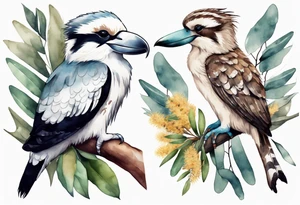
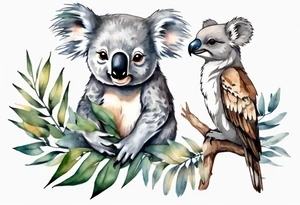
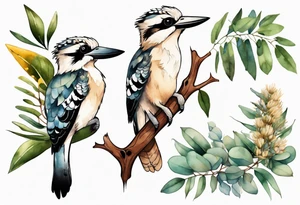
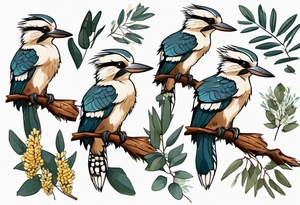
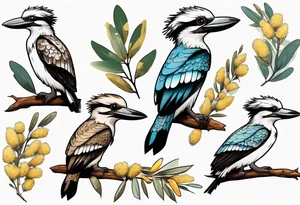
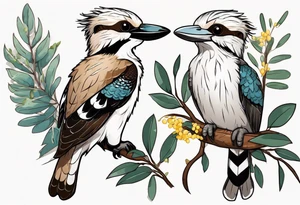
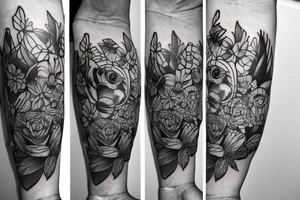
Kookaburra Tattoo Ideas — 40+ designs

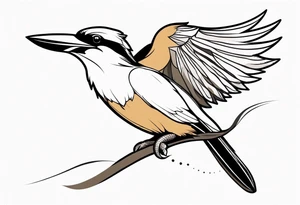
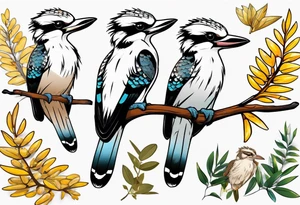
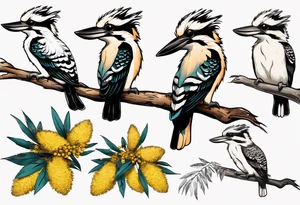
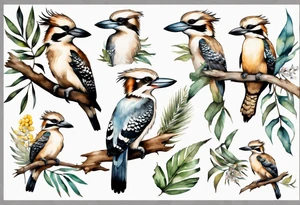
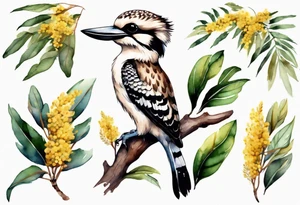
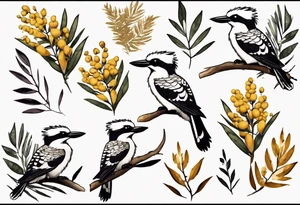
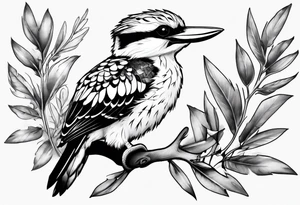
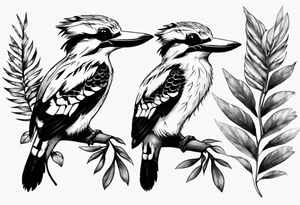
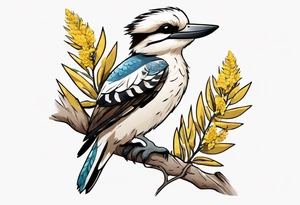
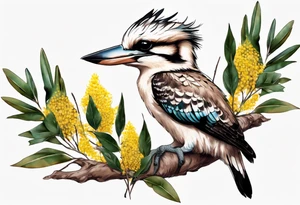
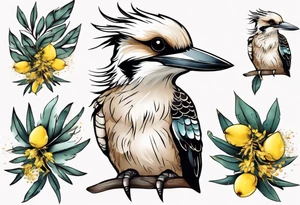
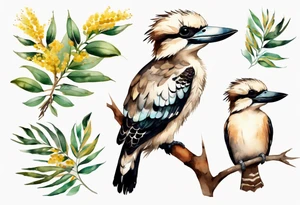
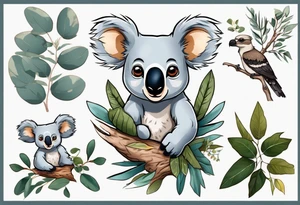
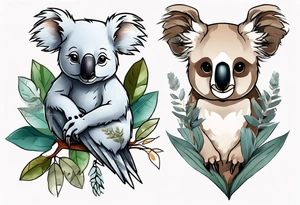
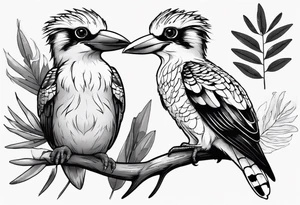
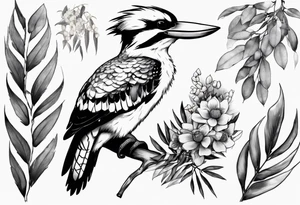
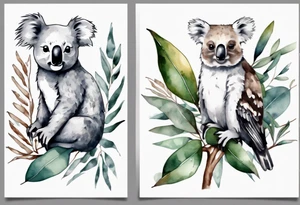
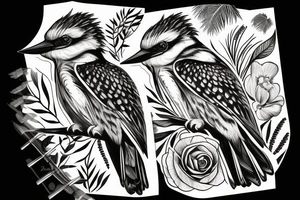
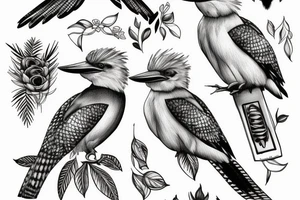
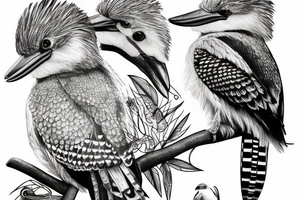
Kookaburra tattoos symbolize laughter, joy, and a lighthearted spirit. Kookaburras are known for their distinctive call, which sounds like laughter, and they are often associated with happiness and good fortune. These tattoos can also represent a connection to nature and the outdoors. Additionally, kookaburras are seen as messengers and can symbolize communication or the need for clear communication. Another interpretation of the kookaburra tattoo is a sense of freedom and independence, as these birds are known for their ability to soar through the air. Suitable locations for a kookaburra tattoo include the shoulder, symbolizing freedom and communication, or the back, representing a connection to nature and the outdoors. Below you will find a collection of kookaburra tattoo design ideas for you to browse and get inspired by.

Join 9,635 happy customers.

The Kookaburra in Australian Culture

The kookaburra is native to Australia and parts of New Guinea, and it holds a strong place in Australian identity as an unofficial emblem of the bush. Its dawn and dusk call — a raucous chorus often described as laughter — has made it a familiar sound of the outback. In several Aboriginal cultures, the kookaburra features in stories tied to the coming of daylight, though specific meanings vary between language groups and Nations. Because of this, some people choose the bird to mark Australian heritage, a homeland, or a personal tie to the landscape. If you want to reference a particular Aboriginal tradition, it is worth researching that specific story rather than assuming a single shared meaning.
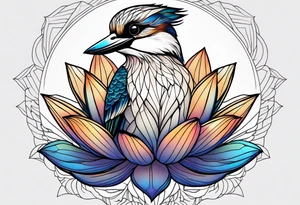
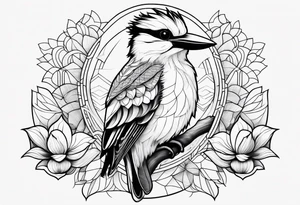
Common Styles and How It's Rendered

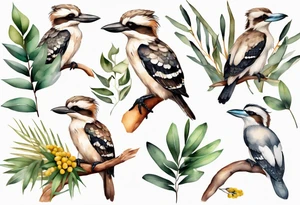
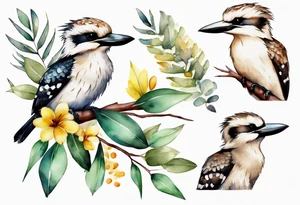
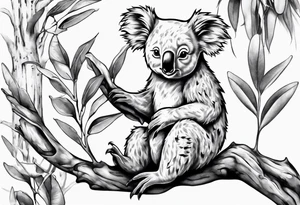
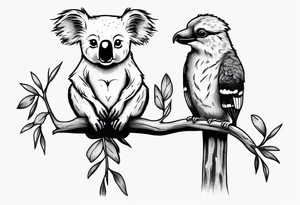
The kookaburra's stout body, oversized head, and heavy beak give artists plenty to work with. Realistic and neo-traditional styles capture the mottled brown and blue-flecked plumage, often perched on a branch mid-call with the beak open. Fine-line and blackwork versions strip the bird back to its recognisable silhouette, relying on the shape of the head and beak for identification. Watercolour treatments play up the blue wing patches against soft washes. Some designs pair the bird with eucalyptus leaves, gum blossoms, or a rising sun to reinforce the Australian setting. Because the kookaburra can read as a generic bird when simplified, keeping the beak proportion and posture accurate helps it stay unmistakably a kookaburra.
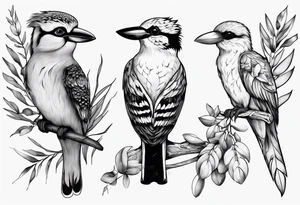
What to Consider Before You Commit

Decide what the bird means to you first, since the same tattoo can read as playful humour, homeland pride, or a nature connection depending on the details and placement. If you are drawing on Aboriginal symbolism, take time to understand the specific story and whether it is appropriate for you to wear. Colour matters: the blue wing flecks are a signature feature, so a colour piece will hold its identity longer than an oversimplified outline. Think about scale too — the intricate feather patterning needs enough room, so very small placements can lose detail over time. Bring reference photos and discuss with your artist how much background you want.

Kookaburra tattoos — common questions

Is a kookaburra tattoo specifically Australian?

The bird is native to Australia and New Guinea and is widely read as an Australian symbol, so it often signals homeland or heritage. That said, many people choose it purely for its association with laughter and joy, with no national meaning attached at all.

Does the kookaburra have Aboriginal significance?

Yes, it appears in stories across several Aboriginal cultures, often linked to daylight and dawn. However, meanings differ between Nations and language groups, so there is no single interpretation. If you want that layer of meaning, research the specific tradition rather than assuming one shared symbolism.

What should I pair a kookaburra tattoo with?

Popular companions include eucalyptus leaves, gum blossoms, a branch perch, or a rising sun to reinforce its bush setting. These additions strengthen the Australian and nature themes. Alternatively, keep it as a solo portrait to focus on the bird's expressive head and open, laughing beak.