Maltese Tattoo Ideas — 40+ designs

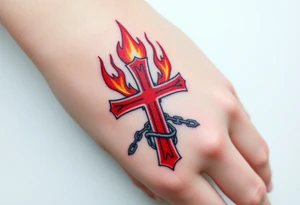
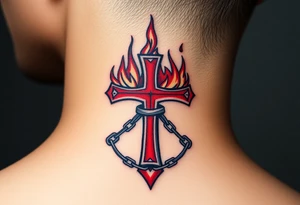
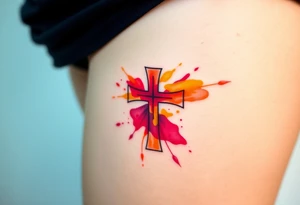
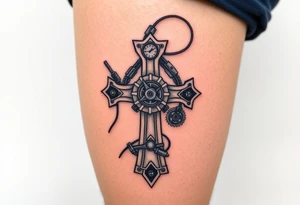
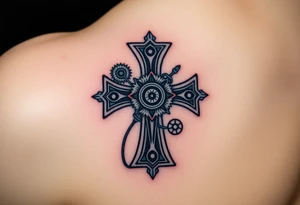
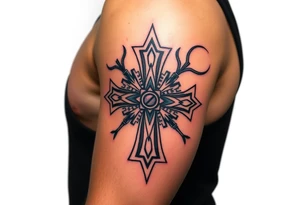
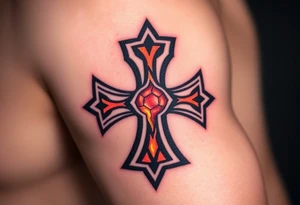
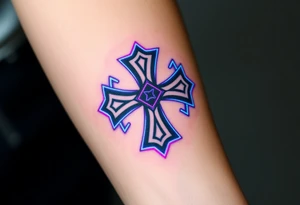
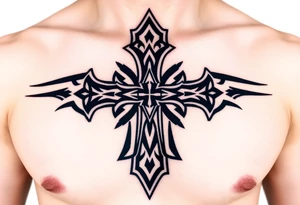
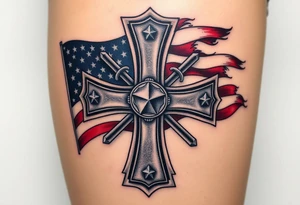
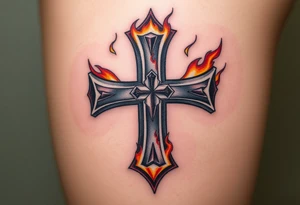
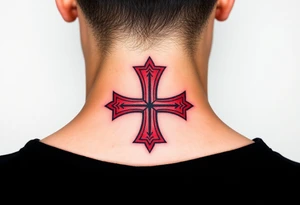
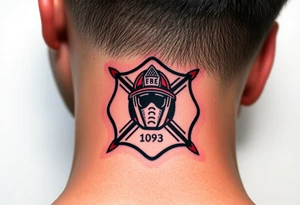
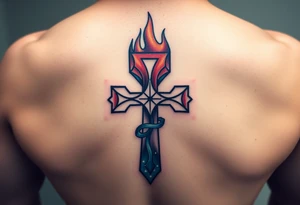
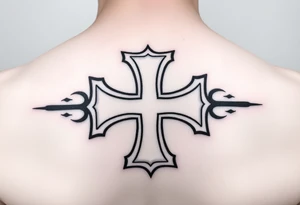
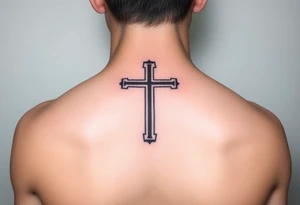
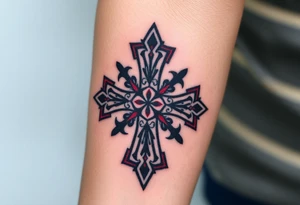
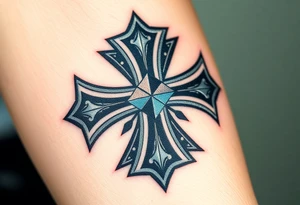
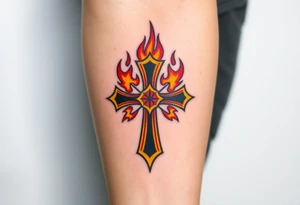
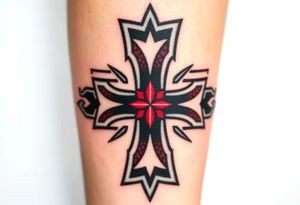
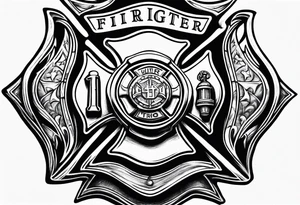
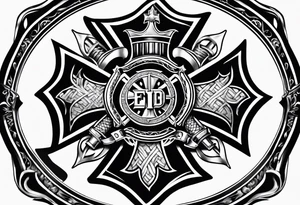
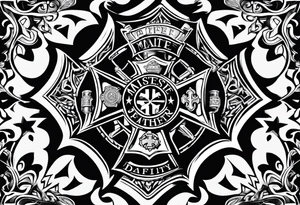
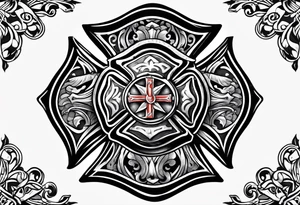
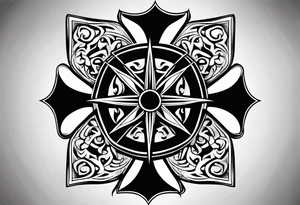
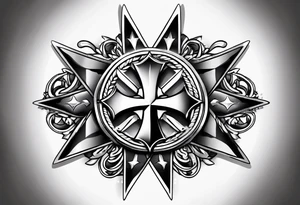
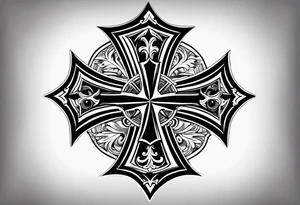
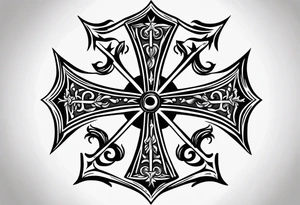
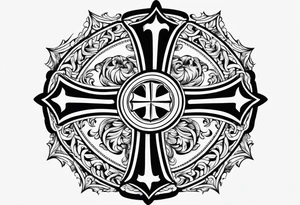
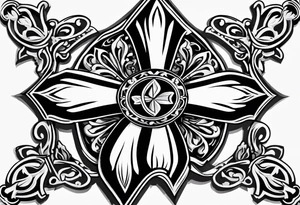
Maltese tattoos typically represent the Maltese cross, a symbol associated with the Knights of Malta and their rich history. The Maltese cross can symbolize courage, bravery, and loyalty, as well as honoring those who have served in the military or emergency services. It can also represent faith and Christianity, as the cross is a central symbol of the religion. Another interpretation is that it represents protection and defense, reflecting the shape and purpose of the cross. Suitable places for a Maltese cross tattoo include the upper arm or shoulder, symbolizing strength and protection, or the chest, representing honor and loyalty. Below you will find a collection of maltese tattoo design ideas for you to browse and get inspired by.

Join 9,635 happy customers.

Historical Origins and Symbolism

The Maltese cross emerged from the Knights Hospitaller, a medieval military and religious order based in Malta from 1530 to 1798. The eight points represent the eight beatitudes of Christ or the eight languages spoken by the order's members. Each point tapers inward, creating a distinctive geometric form that became the national symbol of Malta itself. Beyond its knightly heritage, the cross carries deep Christian meaning—the four arms symbolize the cardinal virtues of prudence, temperance, fortitude, and justice. For modern wearers, it often honors military service, emergency responders, or personal faith, though the symbol's primary association remains with honor, protection, and steadfast commitment.
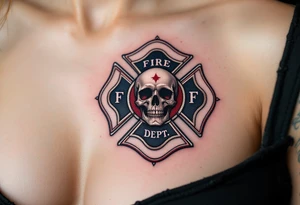
Design Variations and Visual Style

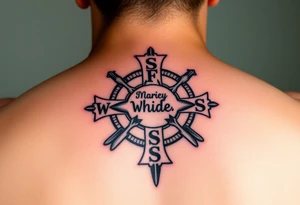
The Maltese cross appears in several renderings, from minimalist geometric outlines to ornate versions with detailed shading and embellishment. Common variations include adding a circle around the cross, incorporating the Maltese flag colors (red and white), or blending it with other symbols like anchors, shields, or religious imagery. The cross scales well across sizes and works effectively in black ink or color. Many designs emphasize the symmetrical, angular quality of the eight points. Some wearers opt for a solid, bold interpretation, while others prefer fine-line work. The versatility of the design makes it adaptable to personal style while maintaining its recognizable form.
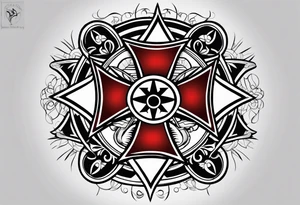
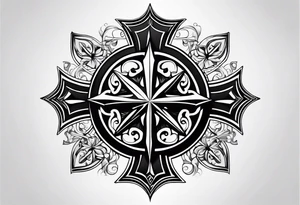
Considerations Before Getting This Tattoo

Choose this design thoughtfully if it connects to your personal history—military service, emergency work, faith, or cultural heritage. Consider whether you want a historically accurate version or a more stylized interpretation. The Maltese cross is widely recognized and generally carries positive associations, but research your artist's experience with geometric precision, as the eight-point symmetry demands technical skill. Think about placement in relation to your body's natural lines and whether you want the tattoo visible or concealable. Reflect on whether the symbolism will remain meaningful to you long-term, as the cross's strong historical and spiritual weight makes it a commitment rather than a passing aesthetic choice.

Maltese tattoos — common questions

What do the eight points of the Maltese cross mean?

Historically, the eight points represent either the eight beatitudes of Christ or the eight languages spoken by the Knights Hospitaller. They also symbolize the four cardinal virtues (prudence, temperance, fortitude, justice) doubled, emphasizing balance and spiritual completeness across multiple traditions.

Is a Maltese cross tattoo only for military or religious people?

No. While it carries strong military and Christian associations, the symbol's meaning is personal. Some choose it for cultural connection to Malta, appreciation of its historical significance, or attraction to its geometric design. The meaning depends on what it represents to the individual wearer.

How is a Maltese cross different from a regular cross?

The Maltese cross has eight distinct points that taper inward, creating a geometric, symmetrical form. A regular cross typically has four equal arms. The Maltese version's unique shape makes it instantly recognizable and historically tied to the Knights Hospitaller and Malta's national identity.