Matching Tattoos — 600+ designs

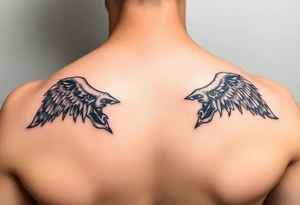
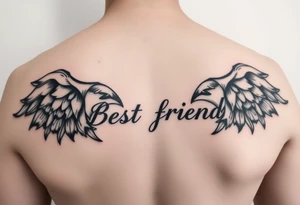
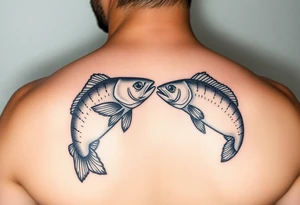
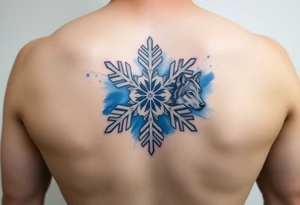
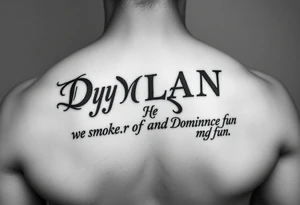
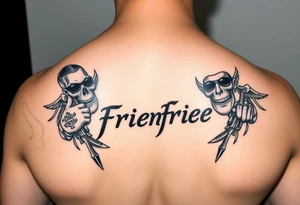
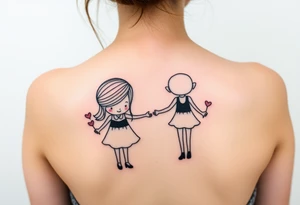
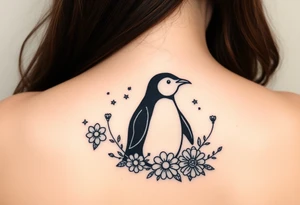
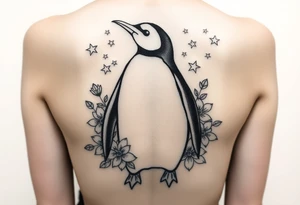
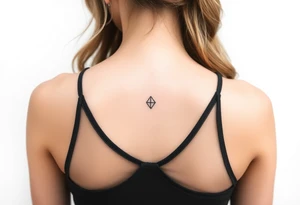
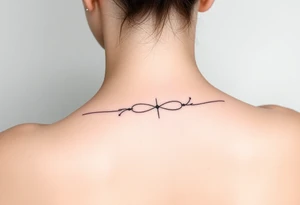
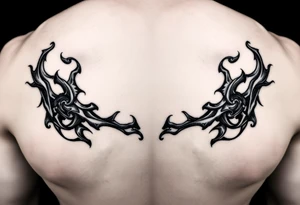
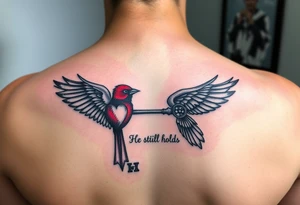
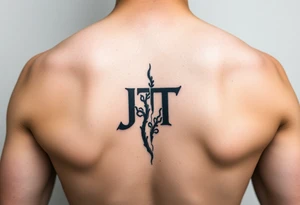
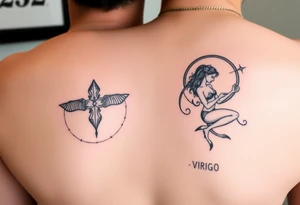
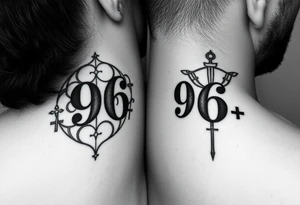
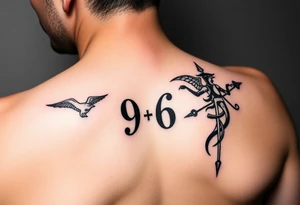
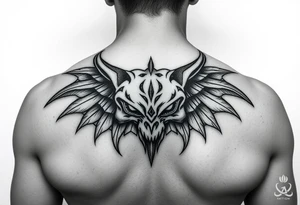
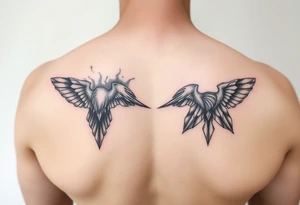
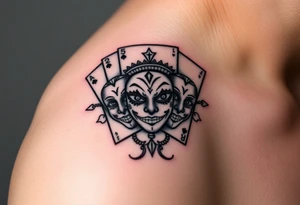
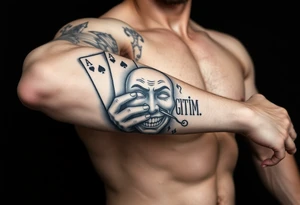
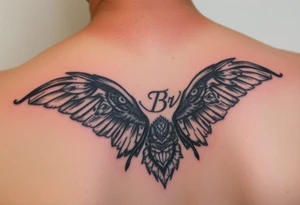
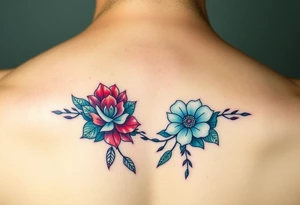
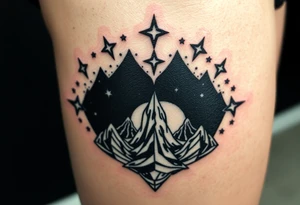
Matching tattoos work best when they can stand alone. The test is simple: does each piece still read as a good tattoo if the other person isn't in the room? A pair of crescent moons, two halves of a compass, the same line of handwriting on two forearms — all of these hold up individually while gaining something when they sit side by side. The weakest matching designs are the ones that only make sense together, like a plug and socket or half a heart, because they leave one person carrying a fragment. Beyond the design itself, the practical decisions matter more than people expect. Two bodies are different sizes, with different skin tones and different tolerance for a long session, and a design that sits beautifully on one forearm may crowd another. Placement doesn't have to be identical either — mirrored is often stronger than matched. This gallery collects designs across friendship pairs, siblings, couples, parent and child, and groups of three or more, from minimal linework to fuller illustrative pieces you can adapt to each person. Below you will find a collection of matching tattoo design ideas for you to browse and get inspired by.

Join 9,635 happy customers.

Identical, mirrored, or complementary?

There are three routes. Identical means the same design, same size, same placement — the clearest signal, and the easiest to brief an artist on. Mirrored keeps the design but flips it, so two inner wrists face each other when hands are held, or two shoulder blades angle inward. Complementary is the most flexible: a shared subject rendered differently, like the same mountain range in fine line for one person and heavy blackwork for the other, or two birds from the same species in different poses. Complementary suits people with different style preferences or very different body sizes, and it ages better if the relationship changes. Groups of three or more almost always work best complementary — identical tattoos across four people tend to feel like a uniform.
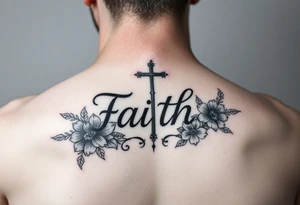
Size, shape and how placement changes the design

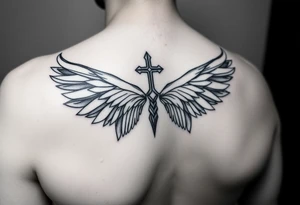
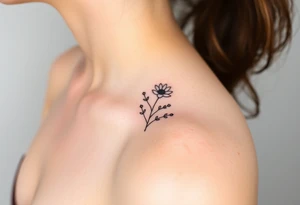
Small matching pieces — under a couple of inches — live comfortably on wrists, ankles, behind the ear, and along the ribs. Keep the detail low at that scale; fine internal linework in a tiny tattoo tends to blur as it settles, and two people healing differently can end up with two tattoos that no longer look like a pair. Larger matching designs give more room for shading and texture but demand a placement with matching real estate, and forearms, outer thighs and upper backs are the most forgiving. Think about the shape as well: long vertical designs suit spines and forearms, circular ones suit shoulders and the back of the arm, and horizontal linework sits well under a collarbone. Ribs and inner arms are among the more painful placements, which is worth knowing if one of you is booking a first tattoo.
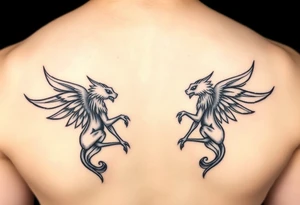
Styles that hold up as a pair

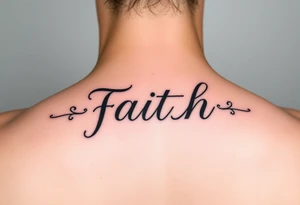
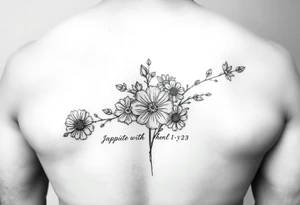
Fine line and minimal linework dominate matching tattoos for good reason — they're quick, they read clearly at small sizes, and two of them look consistent. Blackwork and bold graphic shapes are even more reliable long term, since heavy lines hold their edges. Script and handwriting work when the source is genuine, a signature, a shared phrase, or a note, but ask your artist about letter spacing at the size you want. Illustrative and neo-traditional styles give matching pieces real personality, particularly for animals, botanicals and celestial subjects. Watercolour and heavy colour blending can be striking but are harder to replicate across two skin tones, so if you want colour, discuss it with your artist before committing to identical.

Matching tattoos — common questions

Should we both get tattooed by the same artist?

If you can, yes. The same hand keeps line weight, spacing and shading consistent, which is what makes a pair look intentional. Booking back-to-back in one session is ideal. If you're in different cities, share the same reference and ask each artist to follow it closely rather than reinterpret it.

What if the relationship ends?

Choose a design that means something on its own — a shared place, a date, an animal, a line you both love — rather than initials or a puzzle piece that needs the other half. Symbolic and complementary designs are far easier to live with, and easier to add to later if you want.

Do matching tattoos have to be in the same spot?

No, and often they shouldn't be. Bodies differ, and a placement that flatters one person may not suit another. What ties a pair together is the design, line weight and scale, not the location. Mirrored placements — opposite wrists, opposite ankles — read as deliberate and look good in photos.