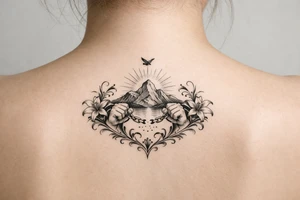
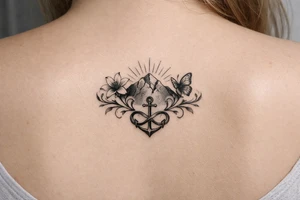
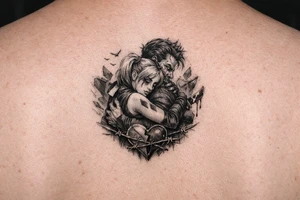
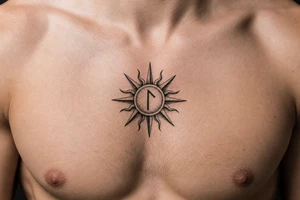
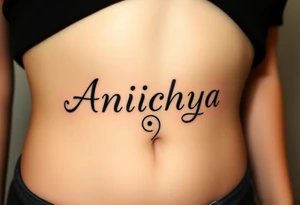
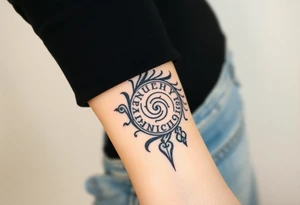
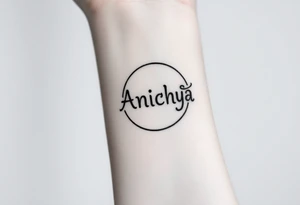
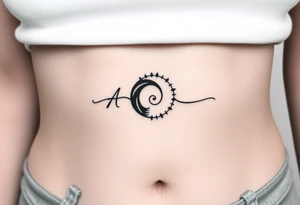
Meaningful Tattoos — 3,000+ designs

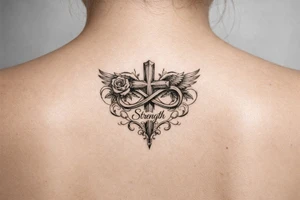
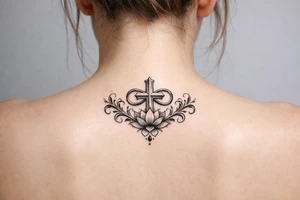
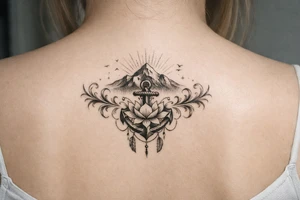
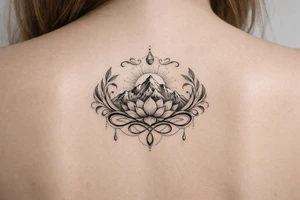
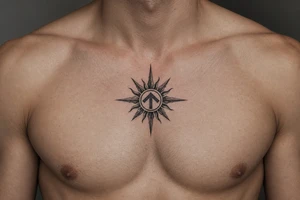
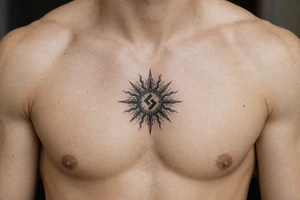
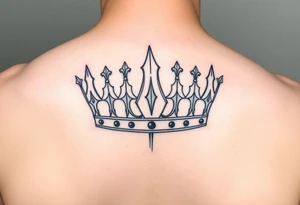
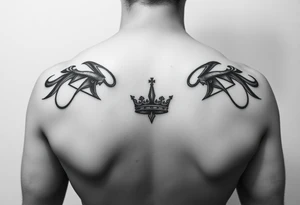
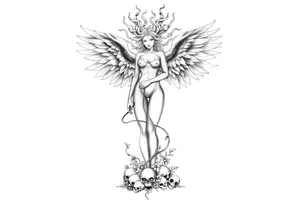
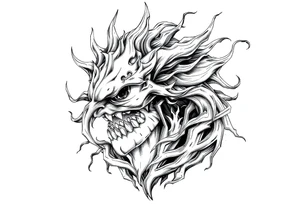
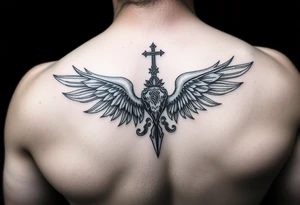
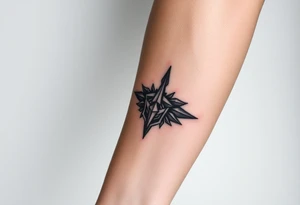
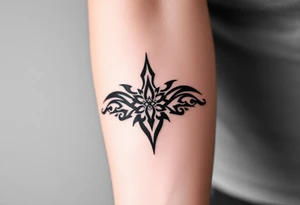
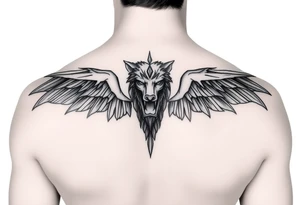
A meaningful tattoo is just a tattoo that keeps giving you something back. The image doesn't have to be obscure or symbolic — a plain anchor can hold more weight than an elaborate mandala if the anchor is the one your grandfather had. That's the useful thing to understand before you start browsing: meaning lives in the connection, not the complexity. Most people arrive at this idea from one of a few directions. Something happened and you want a marker for it. Someone matters and you want to carry them. You changed, and you want the version of you that got through it recorded somewhere. Or you have a phrase, a date, a coordinate, a set of initials you already know you want and you're working out how to make it look good. All of those lead somewhere different design-wise. The gallery here covers the range, from single-line minimal marks to dense illustrative pieces, so use it to find the visual language that fits your reason rather than hunting for a symbol that's supposed to mean the right thing. Below you will find a collection of meaningful tattoo design ideas for you to browse and get inspired by.

Join 9,635 happy customers.

Start with the reason, then find the image

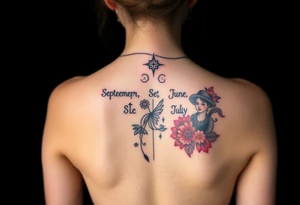
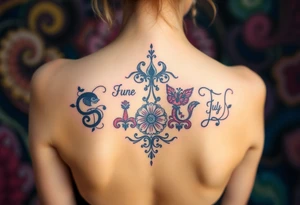
Working backwards from a symbol you found online usually produces something that looks borrowed. Working forwards from your own material rarely does. Write down the specific thing first — the year, the person, the place, the sentence someone said to you — then look for images that carry it. A birth month flower says more than a generic bloom. The mountain range you actually climbed beats a stylised peak. Coordinates, handwriting traced from a real letter, a bird species that lived outside a particular window: these details are what stop a design feeling like a template. If nothing visual comes to mind, that's fine. Some meanings sit better as text, a date, or a small abstract mark that only you can decode.
Size, placement and how much you want to explain

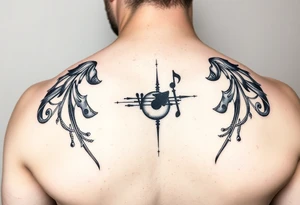
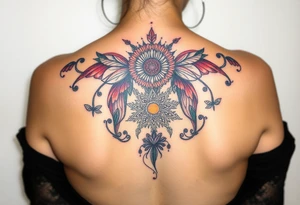
Decide early whether this is for you or for conversation. Small pieces on the inner wrist, ankle, behind the ear or ribs stay private and read as intentional rather than decorative — but fine detail at that scale simplifies over the years, so keep the linework economical. Forearms, upper arms and calves give you room for narrative: layered elements, portraits, scenes with a foreground and background. If you're combining several meanings, don't cram them into one small shape. Either scale up or space them as separate marks that live near each other. Long thin subjects like script, arrows or stems suit forearms, spines and collarbones. Round or contained subjects sit better on shoulders, thighs and the back of the upper arm.

Styles that hold meaning well

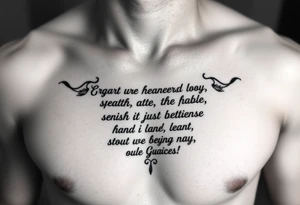
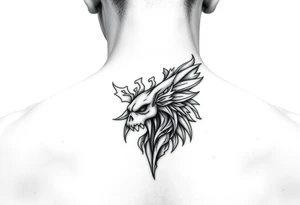
Fine line and single-needle work suits understatement — dates, initials, small botanicals, delicate objects. It reads quiet, which is often the point. Illustrative and neo-traditional styles are better when the piece needs to hold several elements together and still look composed years later; the bolder outline also ages more forgivingly. Blackwork and dotwork give weight without literal representation, useful for grief pieces or anything you'd rather not narrate. Realism works for portraits and specific objects but demands scale and a specialist. Lettering deserves its own thought: script chosen badly is the most common regret, so consider having a phrase set in a typeface the artist actually draws well rather than one pulled from a font list.

Meaningful tattoos — common questions

Do I need to be able to explain what it means?

No. Plenty of people keep the reason to themselves and give a short, vague answer when asked. If you want something genuinely unreadable to others, abstract marks, geometry, coordinates or a symbol from a private reference work well. The tattoo doesn't owe anyone a story.

Is it a mistake to get a memorial tattoo soon after a loss?

It's common, and many people are glad they did it. The one thing worth checking is whether you're settled on the design or just on the urge. Sitting with a chosen image for a few weeks costs nothing and tends to sharpen it rather than talk you out of it.

Can I combine several meanings into one tattoo?

Yes, but composition matters more than it does with a single subject. Ask the artist to build one unified image rather than assembling separate icons side by side. Two or three elements usually integrate cleanly; beyond that, consider a larger piece or a set of smaller connected tattoos.