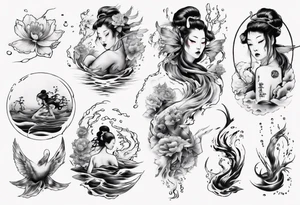
Nymph Tattoo Ideas — 40+ designs

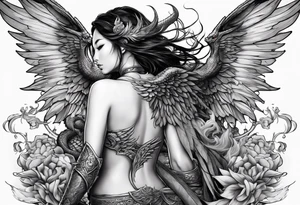
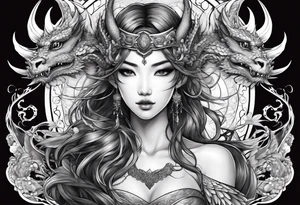
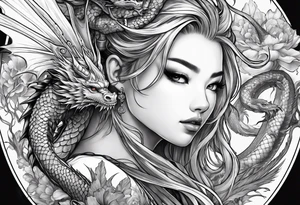
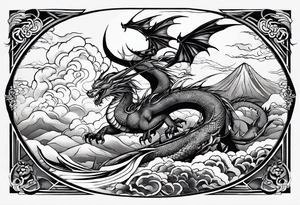
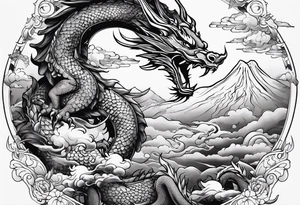
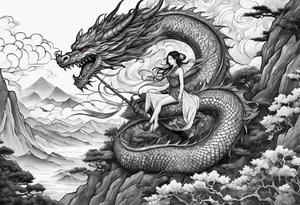
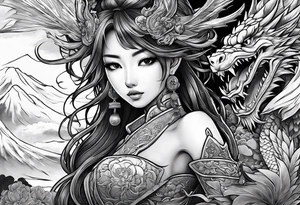
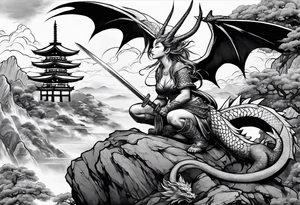
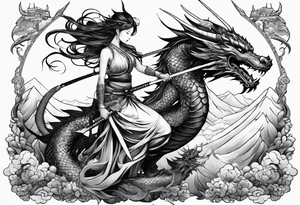
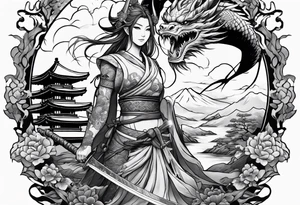
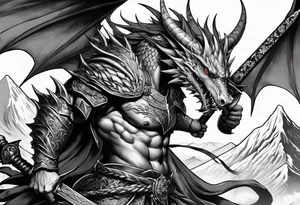
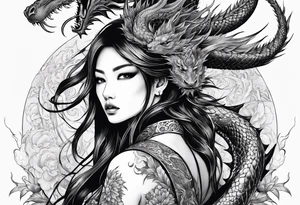
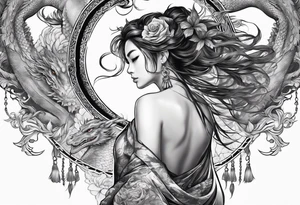
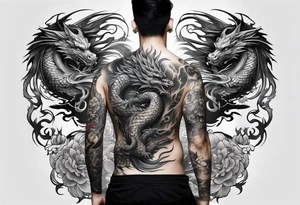
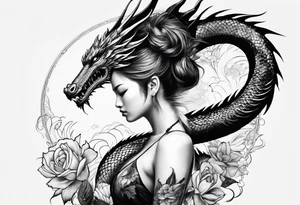
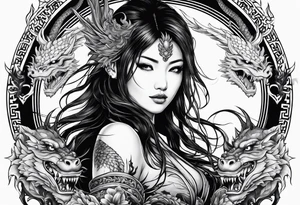
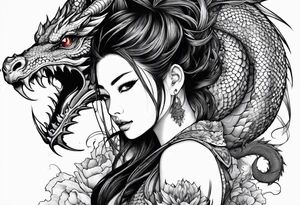
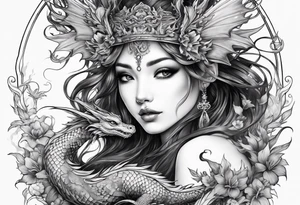
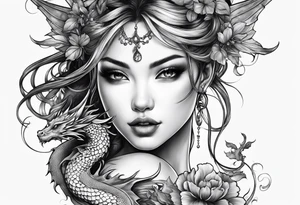
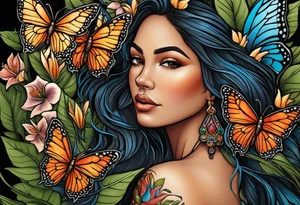
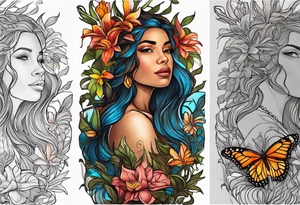
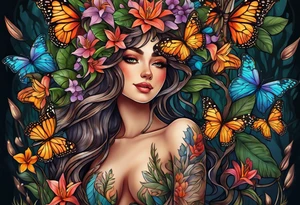
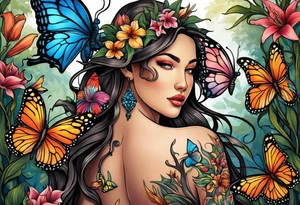
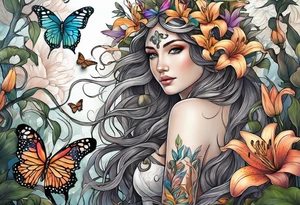
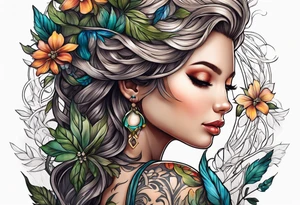
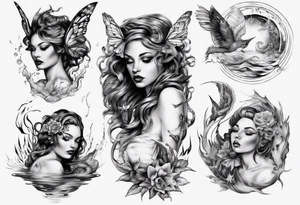
Nymph tattoos typically represent an enchanting and mystical feminine energy. Nymphs are often associated with nature, fertility, and the divine feminine. They can symbolize a connection to the Earth and its natural beauty. Additionally, nymphs are often portrayed as playful and alluring beings, representing a celebration of sensuality and freedom. Some may also see nymph tattoos as a representation of youth and immortality. Suitable locations for nymph tattoos include the back, as it provides a larger canvas for intricate designs involving nature elements such as flowers and trees, or the thigh, as it allows for a more sensual and feminine placement. Below you will find a collection of nymph tattoo design ideas for you to browse and get inspired by.

Join 9,635 happy customers.

Where the Nymph Symbol Comes From

Nymphs originate in ancient Greek mythology as minor nature deities tied to specific features of the landscape. Different types governed different realms: naiads inhabited springs and rivers, dryads lived within trees, oreads roamed mountains, and nereids belonged to the sea. Rather than distant gods, they were spirits woven into the natural world itself. Because they personified places, a nymph tattoo often carries a sense of belonging to a particular element — water, forest, or mountain. Roman mythology absorbed many of these figures, and later Romantic and Pre-Raphaelite art revived the nymph as a symbol of untamed beauty. Choosing which type to depict lets you anchor the design in a meaning that feels personal rather than generic.
How Nymph Tattoos Are Usually Rendered

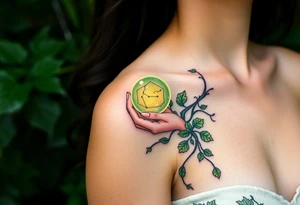
Most nymph designs pair a female figure with the natural element she represents. A dryad might emerge from bark or have hair that becomes branches; a naiad might dissolve into flowing water. Styles vary widely: fine-line and blackwork suit delicate, ethereal versions, while neo-traditional and realism handle fuller figures with dramatic shading. Art Nouveau influences are common, echoing flowing lines and floral framing. Many people request semi-abstract renderings where the boundary between the figure and nature blurs. Larger placements such as the back, thigh, or forearm give room for surrounding elements — water ripples, foliage, moonlight — that make the mythology legible rather than leaving an ambiguous portrait.
What to Consider Before Choosing One

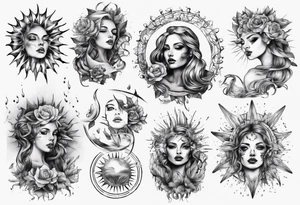
Decide first what the nymph should mean to you, then choose the type that matches — a water nymph reads very differently from a woodland one. Because nymphs are often depicted nude or sensual, think about visibility and your own comfort with that association, especially for placements shown in workwear. Scale matters: intricate nature details need space, so a tiny version may lose the mythological context and read simply as a woman. Bring reference images that show the mood you want, since 'nymph' means different things to different artists. Finally, work with someone whose portfolio matches your chosen style, as ethereal linework and full realism are distinct skill sets.

Nymph tattoos — common questions

What is the difference between a nymph and a fairy tattoo?

Nymphs come from Greek and Roman mythology and are nature spirits tied to real places like rivers, trees, and mountains. Fairies stem largely from Celtic and European folklore and usually have wings. Nymphs are typically wingless and depicted as human-scale figures merged with a natural element rather than tiny magical creatures.

Are there different types of nymphs I can choose from?

Yes. The main types are naiads (springs and rivers), nereids and oceanids (the sea), dryads (trees), oreads (mountains), and aurae (breezes). Each ties the tattoo to a specific element, so picking one lets you match the symbol to water, forest, or mountain imagery that reflects your own connection to nature.

Do nymph tattoos have to be sensual or nude?

No. Sensuality is one common interpretation, but nymphs can be rendered clothed, draped in foliage, or shown mostly as nature merging into a figure. If you prefer the mythological and nature symbolism over the erotic reading, tell your artist so the design emphasises elements like trees, water, or flowers instead.