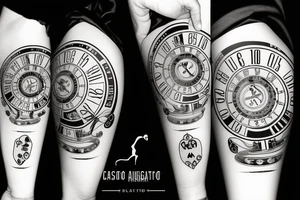
Roulette Tattoo Ideas — 40+ designs

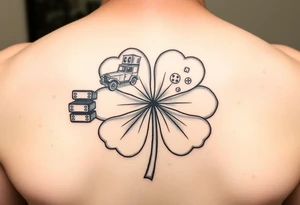
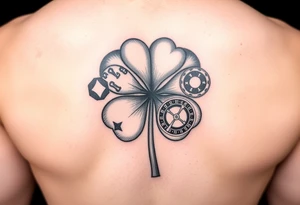
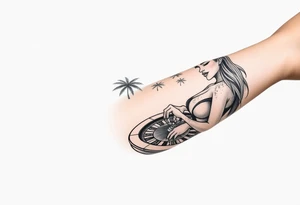
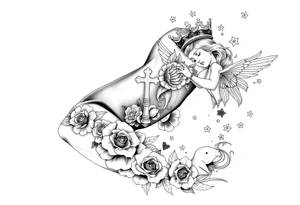
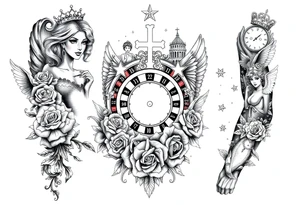
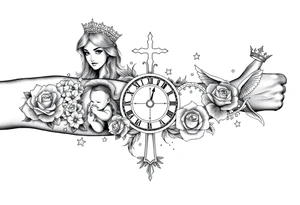
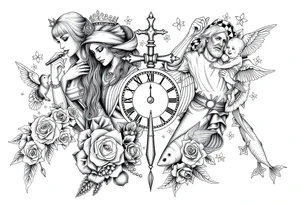
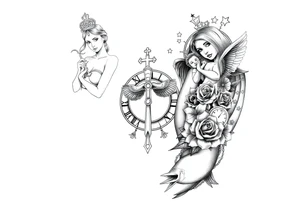
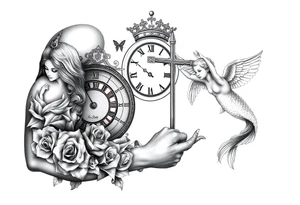
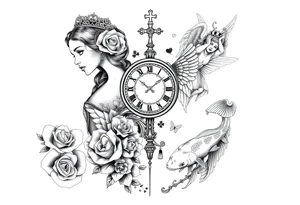
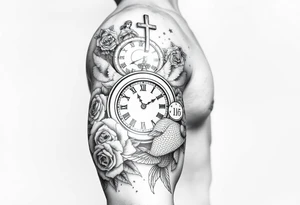
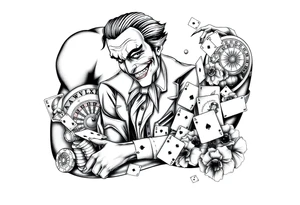
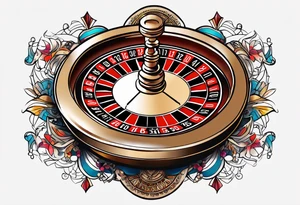
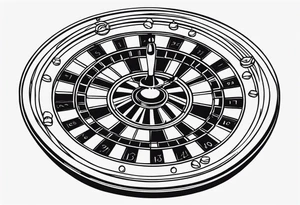
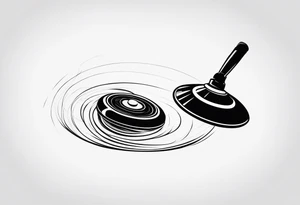
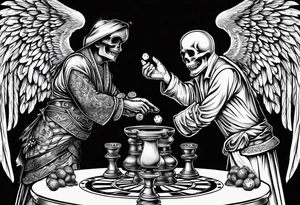
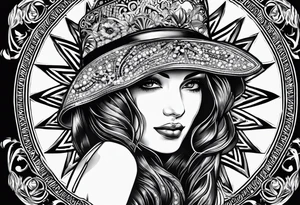
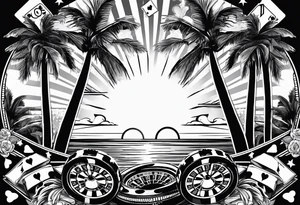
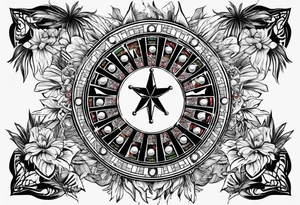
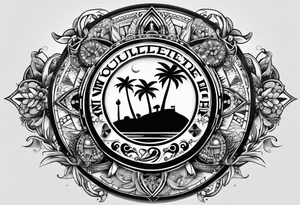
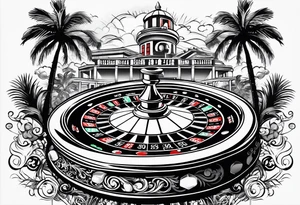
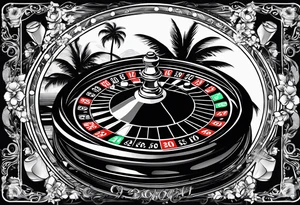
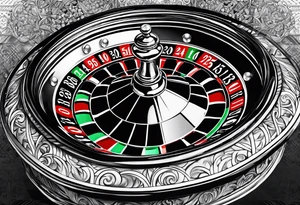
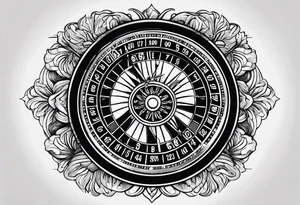
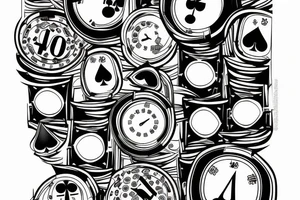
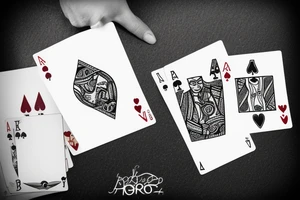
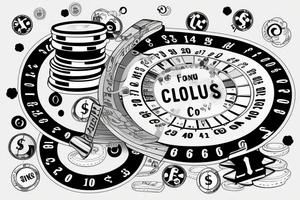
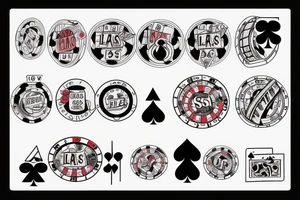
Roulette tattoos symbolize luck, chance, and unpredictability. It represents taking risks and embracing the unknown. Roulette tattoos may also symbolize a love for gambling or a fascination with the thrill of games of chance. Additionally, roulette tattoos can signify a desire for excitement and a reminder to live life to the fullest. Suitable placements for roulette tattoos include the forearm, representing taking chances and making bold decisions, or the back, symbolizing the unpredictability of life's journey. Below you will find a collection of roulette tattoo design ideas for you to browse and get inspired by.

Join 9,635 happy customers.

Deeper Meanings Behind the Roulette Wheel

Beyond the obvious nod to gambling, a roulette tattoo often carries a fatalistic edge. The spinning wheel is a common metaphor for fate — you place your bet, but the outcome is out of your hands. Many people choose it to mark a turning point where they gambled on themselves: a career leap, a relationship, or walking away from something safe. The red-and-black split can also represent duality — risk versus reward, fortune versus ruin. For some it is defiant, a badge of a high-stakes lifestyle. For others it is a quiet reminder that not everything can be controlled, and that peace comes from accepting the spin.
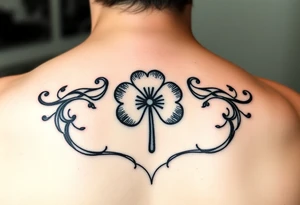
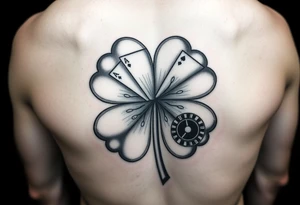
Where the Roulette Symbol Comes From

Roulette emerged in 18th-century France, its name meaning "little wheel." The game spread through European casinos and later became a fixture of American gambling culture, which is why it now reads as shorthand for luck and chance worldwide. The number 17 sits at the center of the wheel and is often cited as a popular bet, while some tattoos highlight a specific number that holds personal meaning. As a tattoo motif, roulette belongs to a broader family of gambling imagery — dice, playing cards, poker chips — that grew popular in traditional and neo-traditional styles associated with sailors, outlaws, and anyone living by their own odds.

How Roulette Tattoos Are Usually Rendered

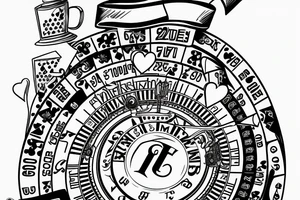
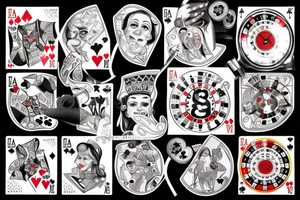
Most designs center on the wheel itself, shown from above or at an angle so the numbered pockets curve around the rim. Red and black are the natural color scheme, sometimes with green for the zero, and gold detailing adds a casino-luxury feel. A ball resting in a pocket often lands on a number that means something to the wearer — a birthday, an age, a lucky figure. Common companions include dice, cards, roses, skulls, or a hand about to spin. Styles range from bold neo-traditional with heavy outlines to fine-line or realistic renderings. Smaller versions simplify the wheel to a ring of numbers or a single highlighted pocket.
Roulette tattoos — common questions

Does a roulette tattoo mean I have a gambling problem?

Not inherently. While some wearers do love casino games, many choose the design for its broader themes of fate, risk, and living boldly. The wheel is a widely understood symbol of chance, so its meaning depends entirely on the person and any personal details, like a chosen number, worked into the design.
What number should I put on the roulette wheel?

There is no single right answer. Many people pick a number with personal weight — a birthday, an anniversary, or an age that marks a milestone. Others choose numbers with gambling associations, like 7 or 17. Some leave the ball off entirely, keeping the outcome open as a symbol of unresolved fate.
Where does a roulette tattoo look best?

The forearm and back are popular, as the intro notes, but the design's circular shape also suits the shoulder, calf, or chest, where the wheel can sit uncropped. Larger, detailed pieces need more space, while simplified versions work on the wrist or ankle. Consider how much of the wheel you want visible.