Shoulder Tattoo Ideas — 40+ designs
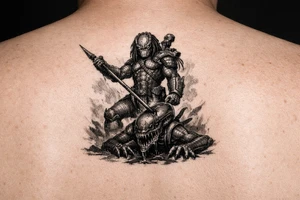
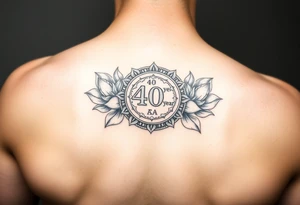
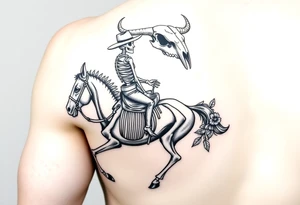
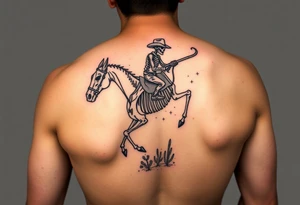
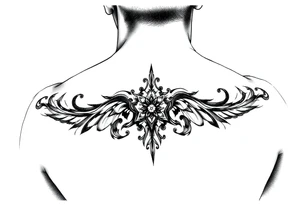
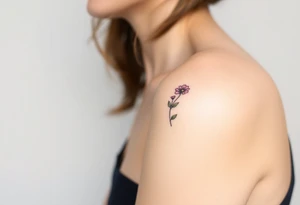
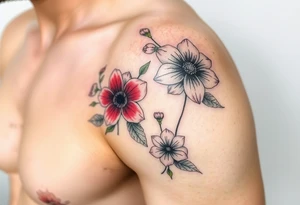
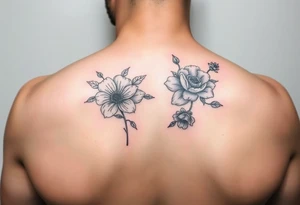
The shoulder is one of the most forgiving places on the body to put a tattoo. The skin sits over a rounded cap of muscle with a decent layer of padding, there's no bone directly under the needle for most of the area, and the whole thing hides under a t-shirt when you need it to. That combination is why so many people start here. It's also a placement with real design consequences: the deltoid is a dome, not a flat panel, so a design that looks balanced on paper can distort or disappear around the curve if it wasn't drawn with that in mind. The good news is that the shoulder plays well with a huge range of scales, from a two-inch symbol on the cap to a piece that flows onto the chest, down the upper arm, or across the back of the shoulder blade. Browse the designs below with your own anatomy in mind — where the curve begins, how much space you actually want to commit, and whether this is a standalone piece or the first panel of something bigger. Below you will find a collection of shoulder tattoo design ideas for you to browse and get inspired by.


Join 9,635 happy customers.
Working with the curve, not against it
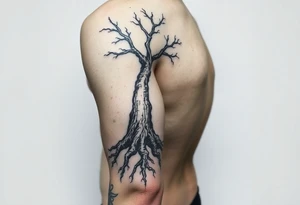
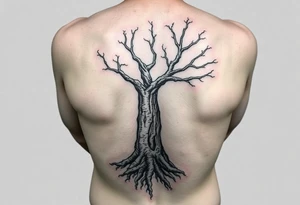
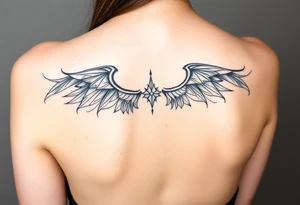
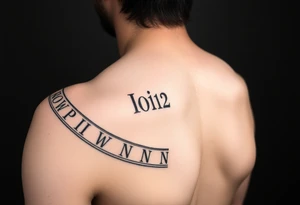
The deltoid rounds in every direction, which means only a narrow band of it faces the viewer head-on. Circular designs — mandalas, compasses, ouroboros forms, wreaths — sit naturally on the cap because their symmetry reads correctly from most angles. Long vertical or horizontal compositions need more thought: text wrapping around the arm becomes unreadable past a certain point, and a wide rectangular design will visibly bend at the edges. Curved and organic shapes forgive the anatomy best. Branches, waves, snakes, feathers and flowing florals can follow the muscle's contour rather than fighting it. If you love a rigid geometric piece, consider keeping it small enough to stay on the flat-facing front of the shoulder.
Choosing a size you won't outgrow
Small shoulder tattoos work, but the shoulder is generous enough that a tiny design can look adrift on it. Palm-sized to hand-sized pieces tend to sit most comfortably on the cap. If you want more presence, the shoulder is the natural anchor for a half sleeve, a chest-to-shoulder panel, or a piece that spills onto the shoulder blade. Think one step ahead: even if you only want one tattoo now, leaving a clean margin around it makes future expansion far easier than trying to connect two isolated designs later. Detailed styles need room — fine linework, realism and heavy blackwork all lose definition if squeezed too small.
Styles that suit the placement
The shoulder's flat-ish central area and even skin tone make it friendly to almost every style. Blackwork and geometric patterns look striking wrapped over the muscle. Traditional and neo-traditional designs — roses, eagles, daggers, animal heads — have decades of history here and hold up well as they age because of their bold outlines. Realism and portrait work benefit from the space and relative stability of the area. Fine-line botanicals and minimal linework are popular for a softer look, though very delicate lines on a highly mobile joint area are worth discussing with your artist. Dotwork, Japanese motifs and lettering placed along the front of the deltoid all read cleanly.
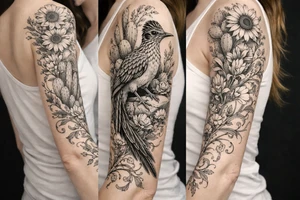
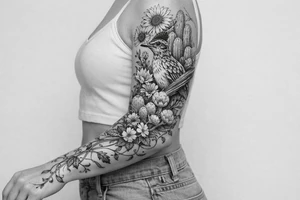
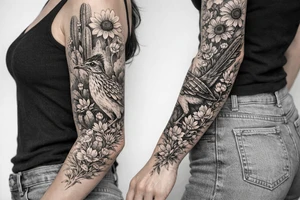
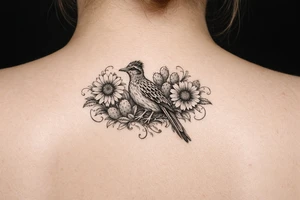
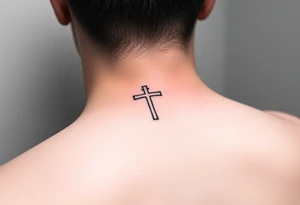
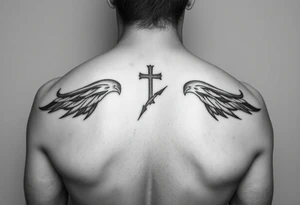
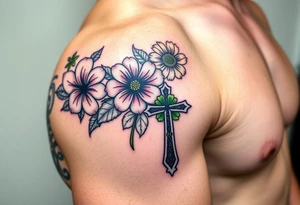
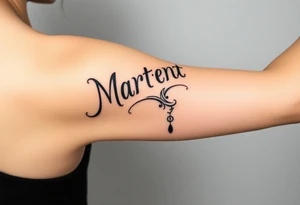
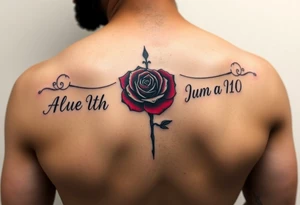
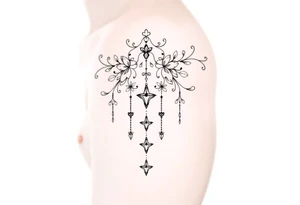
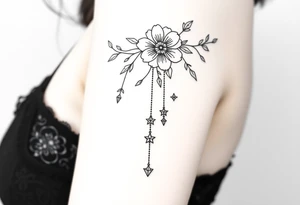
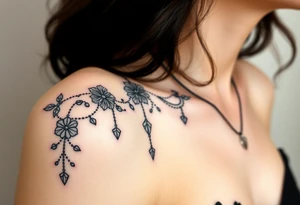
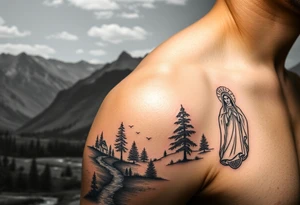
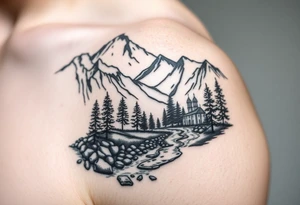
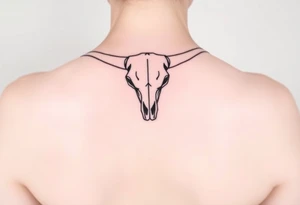
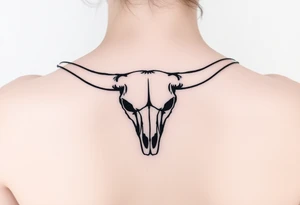
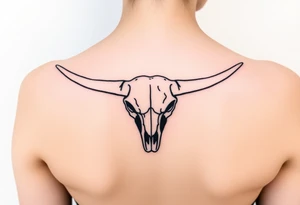
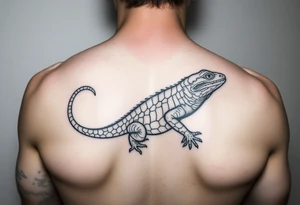
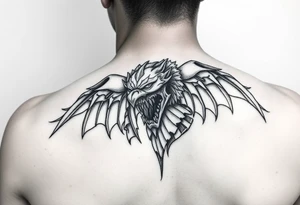
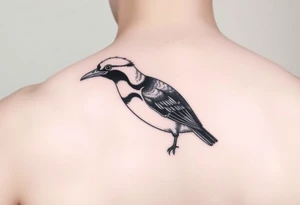
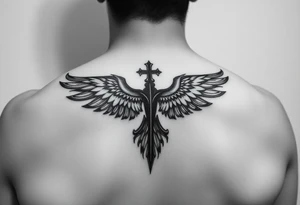
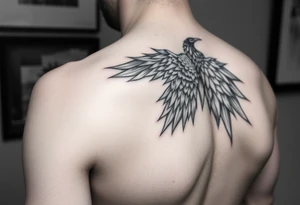
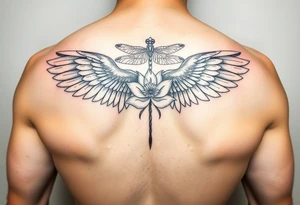
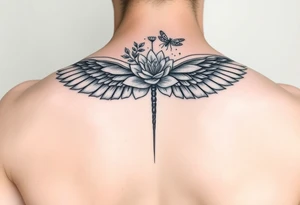
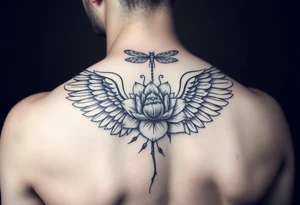
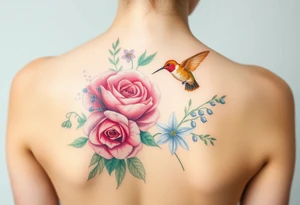
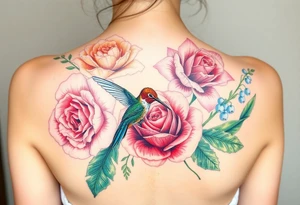
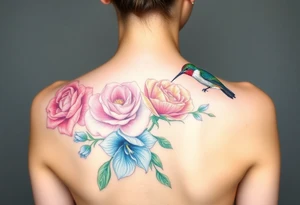
Shoulder tattoos — common questions
Are shoulder tattoos painful?
The shoulder is generally considered one of the more tolerable placements, thanks to muscle padding and no bone sitting directly under the needle across most of the cap. Sensation increases as you move toward the collarbone, the armpit side, or the top of the shoulder where skin sits closer to bone. Everyone's tolerance differs.
Front, side, or back of the shoulder?
The side cap is the most visible in short sleeves and the easiest to show or hide. The front reads well head-on and connects naturally to chest pieces. The back of the shoulder offers a flatter, wider canvas and pairs with shoulder blade or upper back designs. Your everyday clothing is worth factoring in.
Can a shoulder tattoo become part of a sleeve later?
Yes, and it's one of the most common paths. The shoulder often acts as the cap or anchor of a half or full sleeve. Tell your artist if that's a possibility, so they can plan flow, negative space and margins rather than leaving you with a design that's awkward to build around.