Trust Tattoo Ideas — 40+ designs

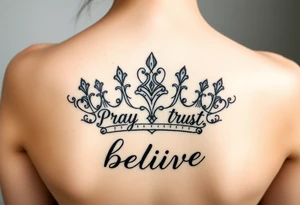
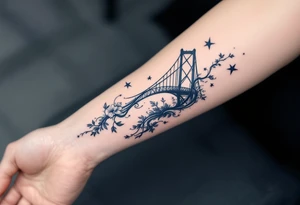
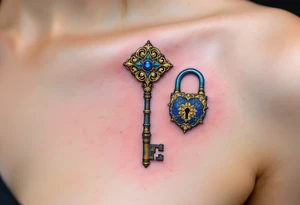
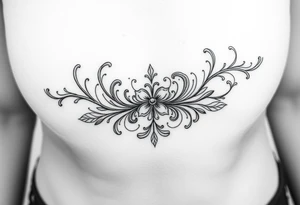
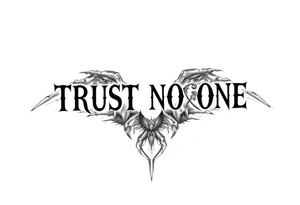
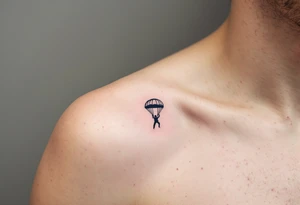
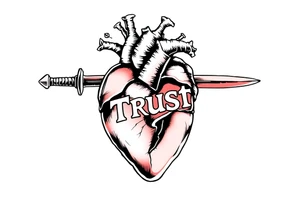
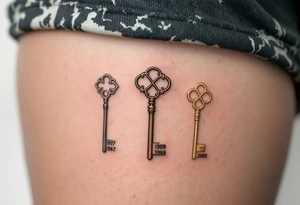
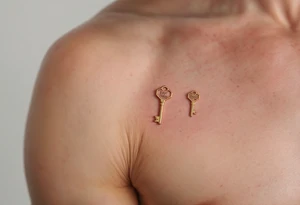
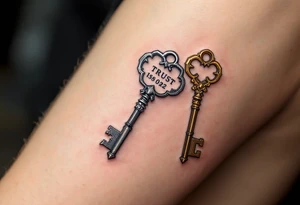
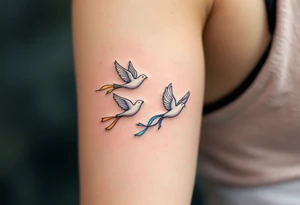
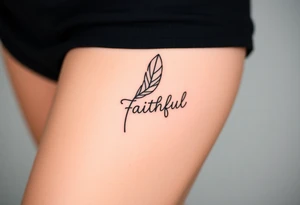
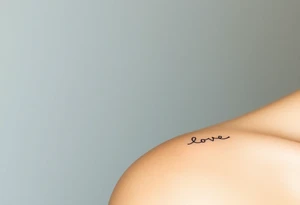
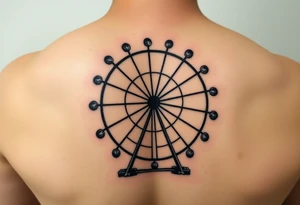
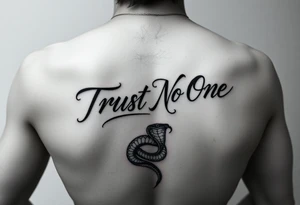
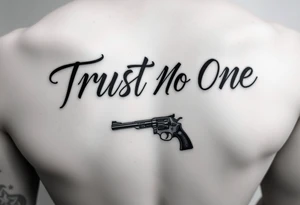
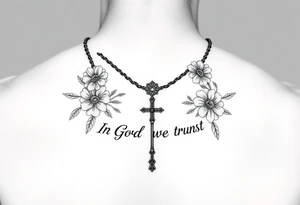
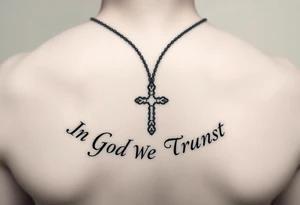
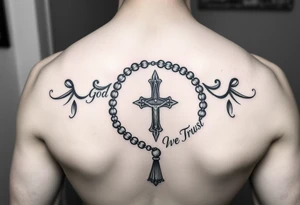
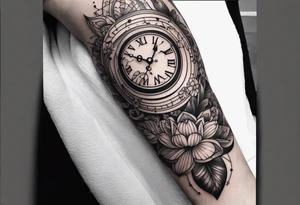
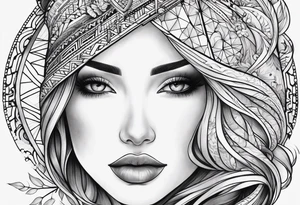
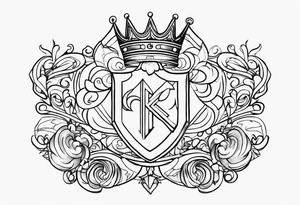
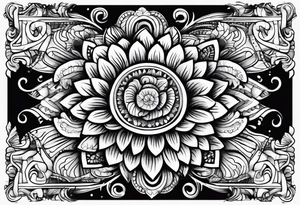
Trust tattoos symbolize faith, reliance, and confidence in oneself or in others. They can represent the importance of trust in relationships, whether it be romantic, familial, or friendships. Trust tattoos can also signify personal growth and the ability to trust in one's own decisions and instincts. Additionally, trust tattoos can serve as a reminder to trust the journey of life and have faith in the unknown. Suitable locations for trust tattoos include the wrist, symbolizing a constant reminder, or the chest, close to the heart to symbolize trust in oneself and others. Below you will find a collection of trust tattoo design ideas for you to browse and get inspired by.

Join 9,635 happy customers.

Different Ways to Read a Trust Tattoo

The meaning of a trust tattoo shifts depending on the wearer and the design. For some, it points outward — a commitment to a partner, a bond with family, or loyalty to a close friend. For others it turns inward, marking a decision to trust their own judgment after a period of doubt. A third reading is about surrender: trusting the process, the timing of life, or a faith tradition. Because the word carries all these possibilities at once, many people pair it with a personal detail — a name, a date, a symbol — so the intended meaning is unmistakable rather than left open to interpretation.
Common Styles and How the Idea Is Rendered

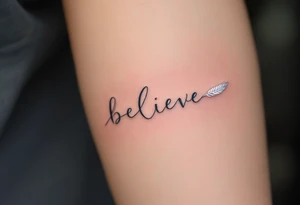
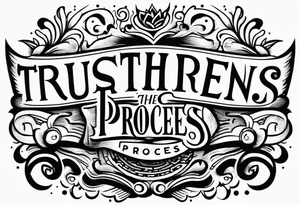
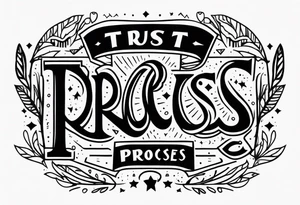
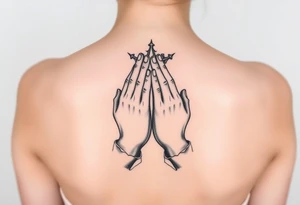
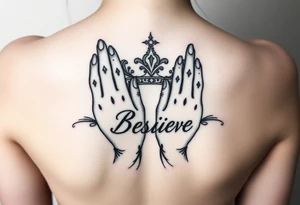
Trust is most often tattooed as simple lettering: fine-line script, typewriter print, or bold minimalist capitals. The single word suits small placements like the wrist, collarbone, or behind the ear. Others prefer a phrase — "trust the process," "trust yourself," or a line of scripture — which needs a longer surface such as the forearm or ribs. Symbolic versions skip words entirely: an anchor, a semicolon, clasped hands, an open palm, or a knot can all stand in for trust. Handwriting from a loved one is also popular, turning the concept into something specific to one relationship rather than a general statement.
What to Consider Before You Commit

Trust is easy to feel today and hard to guarantee forever, so think about whether you are marking a person or the idea itself. A design tied to one relationship carries more risk if that relationship changes; a self-directed or open-ended meaning tends to age better. Decide how visible you want it — the wrist reads as a daily reminder, the chest keeps it private. If you are drawn to religious or cultural symbols, research their specific meaning first so the result is accurate. Sit with the wording for a while, and ask your artist to mock up the font at actual size before booking.

Trust tattoos — common questions

Does a trust tattoo have to be about another person?

No. Many people choose it to mark trust in themselves — their instincts, their choices, or their recovery — rather than a relationship. Others use it for faith or acceptance of life's uncertainty. Because the word is open-ended, adding a symbol, date, or short phrase helps make your specific meaning clear.

What symbols pair well with a trust tattoo?

Anchors suggest stability, clasped or open hands suggest reliance, and knots suggest an unbreakable bond. A semicolon is sometimes added to link trust with mental-health recovery. Many people also include a meaningful name, date, or a loved one's actual handwriting to anchor the concept to something personal.

Where should I place a trust tattoo?

The wrist works as a constant, visible reminder you'll see throughout the day. The chest keeps the meaning close and private. Forearms and ribs suit longer phrases, while behind the ear or the collarbone fits a small single word. Choose based on how public you want the message to be.