Women Tattoo Ideas — 40+ designs
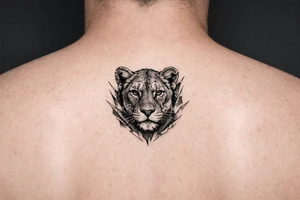
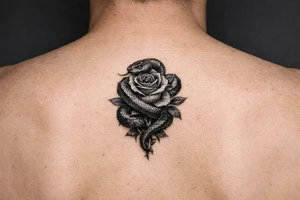
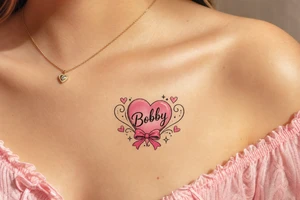
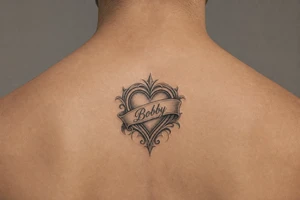
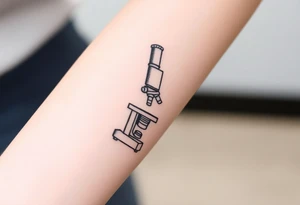
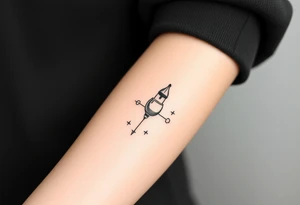
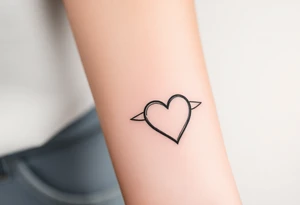
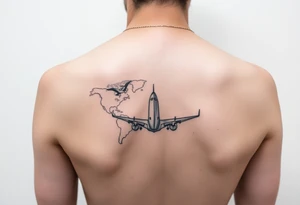
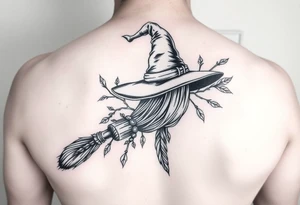
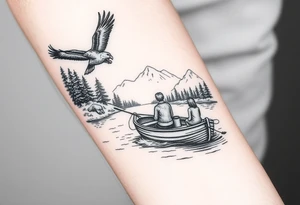
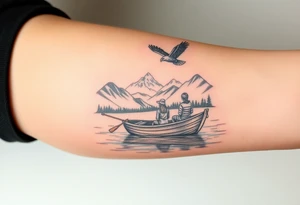
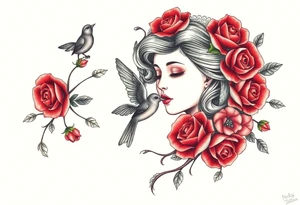
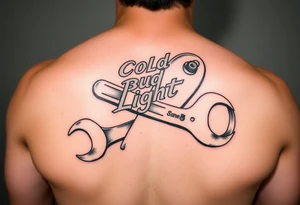
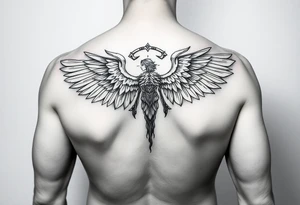
"Tattoo ideas for women" covers so much ground that the phrase barely narrows anything down — which is good news, because it means nothing here is off-limits to you. What actually helps is working backwards from three decisions: where it goes, how big it can be, and whether you want something that reads clearly from across a room or rewards a close look. A fine-line botanical on the forearm and a bold neo-traditional snake on the thigh are both popular choices among women getting tattooed, and they ask completely different things of your body and your budget. The gallery below spans delicate scripts, florals, animals, celestial motifs, ornamental patterns and heavier blackwork, so use it to notice patterns in what you keep coming back to rather than to find one perfect image. If every design you save has a lot of empty space around it, that tells you something. If they're all dense and dark, that tells you something else. Start there, then bring those instincts to an artist who works in that register. Below you will find a collection of women tattoo design ideas for you to browse and get inspired by.


Join 9,635 happy customers.
Matching the design to the placement
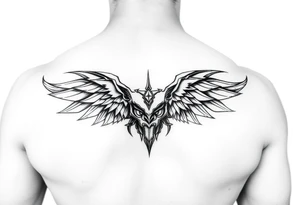
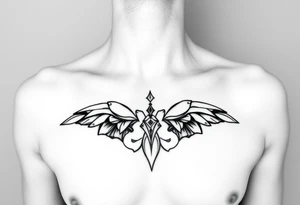
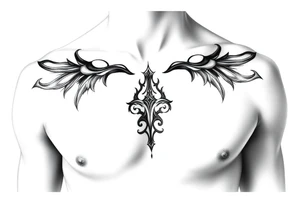
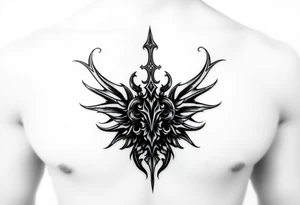
Placement changes a design more than most people expect. Forearms, calves and outer thighs are relatively flat and forgiving, so they suit detailed work and symmetrical compositions. Ribs, hips and the sides of the torso curve constantly, which means a design has to be drawn to wrap rather than sit flat — florals and flowing ornamental pieces handle this well, rigid geometry rarely does. Wrists, ankles, fingers and behind the ear limit you to small, simple shapes because there's little room and the skin moves and wears. Sternum, spine and back pieces give you height and vertical symmetry, which is why they attract mandalas, snakes and long botanical stems. Decide the spot first, then adapt the idea to it.
Size, shape and how much detail survives
Every line needs space around it to stay readable as it ages. A design with fifteen elements crammed into two inches will soften into a grey smudge; the same design at five inches stays crisp for decades. If you're set on something small, choose motifs that work as simple silhouettes — a single bloom, a crescent, a short word in clean lettering. Shape matters too. Long narrow designs suit forearms, spines and the outside of a calf. Circular and radial designs want a flat, broad area like the shoulder blade, upper thigh or centre of the back. Bring your artist a placement and a rough size in inches, not just a reference image.
Styles worth considering, and what each demands
Fine line and single-needle work gives you that delicate, illustrative look, but it's the least forgiving over time and benefits from being kept out of heavy sun. Blackwork and neo-traditional use bolder outlines and hold their shape for longer, and they read well at a distance. Watercolour and illustrative colour feel soft and painterly, though colour generally needs more care and may want touching up sooner than black. Realism and black-and-grey portraits need real size to work — small realism tends to lose the detail that made it appealing. Ornamental and mandala work flatters curved and symmetrical placements beautifully. Pick a style first, then find an artist whose portfolio is full of it.
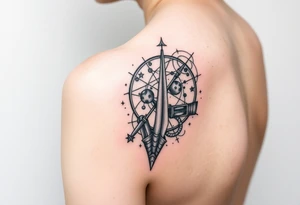
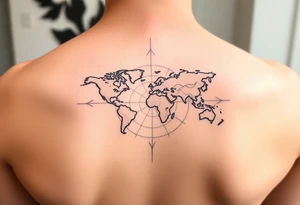
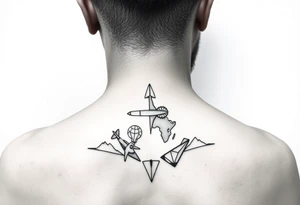
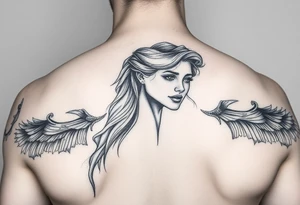
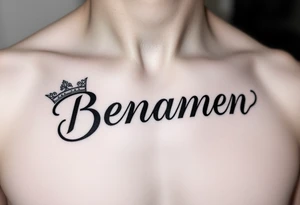
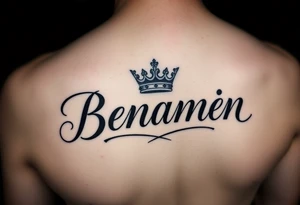
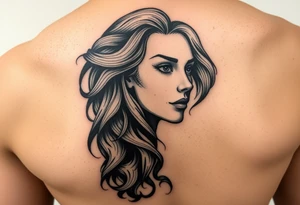
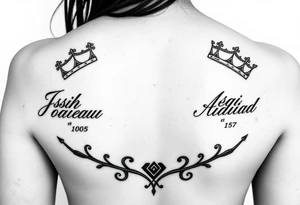
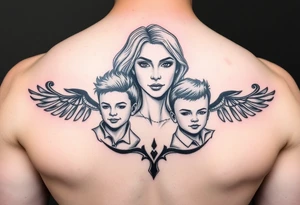
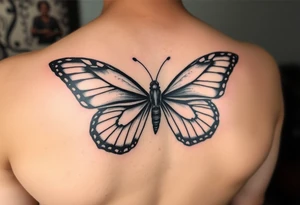
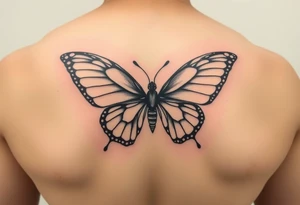
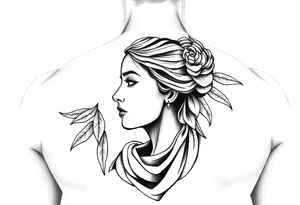
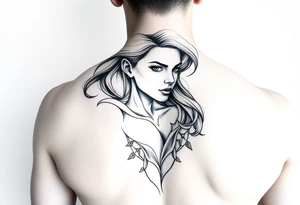
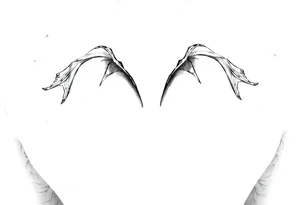
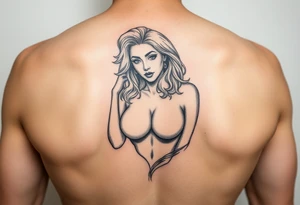
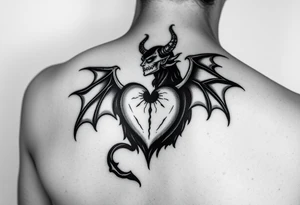
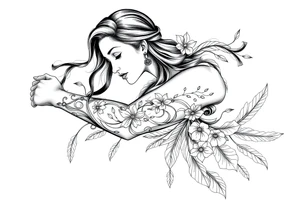
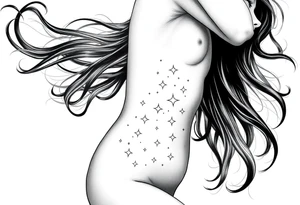
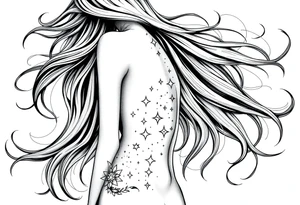
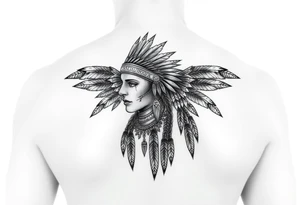

Women tattoos — common questions
Where should I get my first tattoo?
Outer forearm, upper arm, calf and outer thigh are common first choices because they're comparatively easy to sit through, easy to keep clean, and simple to cover or show as you like. Ribs, sternum, hands and feet are among the more painful and demanding placements, so they're worth saving until you know how you handle the process.
Will fine-line tattoos fade faster?
Thin lines have less ink holding them, so they can soften more noticeably over the years than bolder work, especially on high-friction or sun-exposed spots. That doesn't make them a bad choice — plenty of people love them for exactly that lightness. Just go in expecting it may need a touch-up eventually and choose a placement that gets less sun.
How do I use these AI designs with a real artist?
Treat them as a mood board rather than a blueprint. Save several that share a style, density or subject and bring them along to show the direction you want. Your artist will redraw the concept to fit your body, your placement and their own hand — which is what makes the finished tattoo actually work on skin.