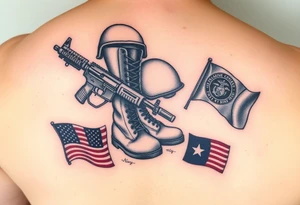
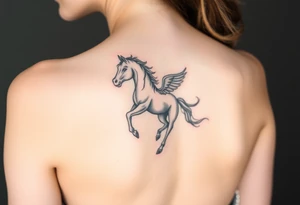
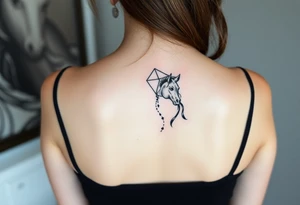
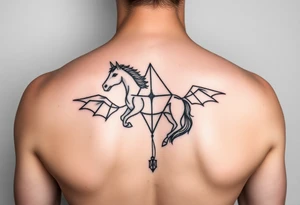
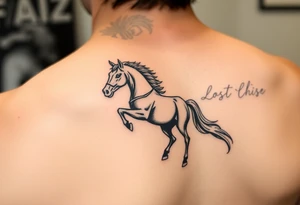
Memorial Tattoo Ideas — 600+ designs

A memorial tattoo carries a weight most designs don't. You're not just choosing an image you like — you're deciding how you want to carry someone with you for the rest of your life, and that changes how every decision feels. Some people want the tattoo to be obvious: a name, dates, a portrait that stops conversation. Others want something only they can read, a flower that grew in a garden, a bird that meant something at a funeral, a line of handwriting lifted from a birthday card. Both are right. The gallery here spans both extremes, from single-line script to full illustrative pieces built around a figure or a landscape. As you scroll, pay attention to which designs make you feel something rather than which ones look most impressive. A memorial piece has to survive years of being looked at on ordinary mornings, and the quiet ones tend to age better than the dramatic ones. Take longer than you think you need. Grief changes shape, and so does what you want from a tattoo. Below you will find a collection of memorial tattoo design ideas for you to browse and get inspired by.

Join 9,635 happy customers.

Symbols that carry meaning without saying it out loud

Names and dates are the most direct route, but they're not the only one. A birth flower, a favorite bird, a constellation, a boat, a specific breed of dog — these read as decorative to strangers and as a whole person to you. Handwriting is especially powerful: a signature or a short phrase traced from a letter turns the tattoo into an artifact rather than an illustration. If you go this route, bring the highest-resolution scan you can get. Objects work too. A pocket watch set to a particular time, a pair of reading glasses, a coffee cup. The more specific the object, the less it looks like stock symbolism and the more it looks like a life.
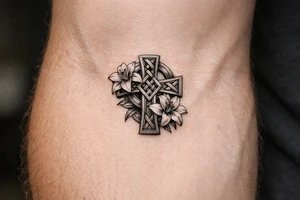
How size and placement shape the design

Small memorial pieces — a name on the forearm, a date behind the ear, a tiny flower on the wrist — suit anyone who wants the tattoo close and private. But fine script and delicate line work at small scale need generous spacing, or the letters can close up as the tattoo settles over the years. Portraits are the opposite problem: faces need real estate. A realistic portrait on a thigh, upper arm, or back has room for the tonal range that makes it recognizable; the same portrait squeezed onto a forearm loses the detail that made it a likeness. Ribs, sternum, and upper chest suit vertical compositions and are among the more painful placements to sit through.
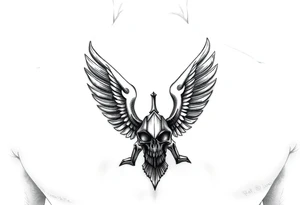
Choosing a style that will still read in twenty years

Fine-line and single-needle work looks beautiful fresh and suits script and botanical subjects, though very delicate lines generally soften more than bold ones over time. Black and gray illustrative work is a reliable middle ground — enough shading for depth, enough line weight to hold up. Traditional and neo-traditional styles handle roses, swallows, banners, and hearts with bold outlines built to last. For portraits, look specifically for an artist whose healed portrait work you can see, not just fresh photos. Watercolor and soft color washes read as emotional and gentle, which fits the subject, but they're the most dependent on skin tone and long-term care.

Memorial tattoos — common questions

Should I get a memorial tattoo soon after a loss?

There's no wrong timeline, but early grief can push you toward a design that reflects the intensity of that moment more than the person. Many people find waiting a few months clarifies what they actually want to carry. If you're certain now, start with something small and add to it later rather than committing to a large piece immediately.

Can I use a real photo for a portrait tattoo?

Yes, and the quality of the photo matters enormously. Sharp focus, clear lighting, and visible detail in the eyes give an artist something to work from. Blurry or heavily filtered images force guesswork, and guesswork shows in a likeness. Bring several options and let the artist choose which will translate best.

Is it better to include dates or just a name?

Dates anchor the tattoo to a specific person and make it unmistakably memorial, which some people want. Others find dates make the piece feel like a headstone. A name alone, or a name with a symbol, tends to read warmer. Consider whether you want the tattoo to mark a loss or mark a person.