TattoosAI
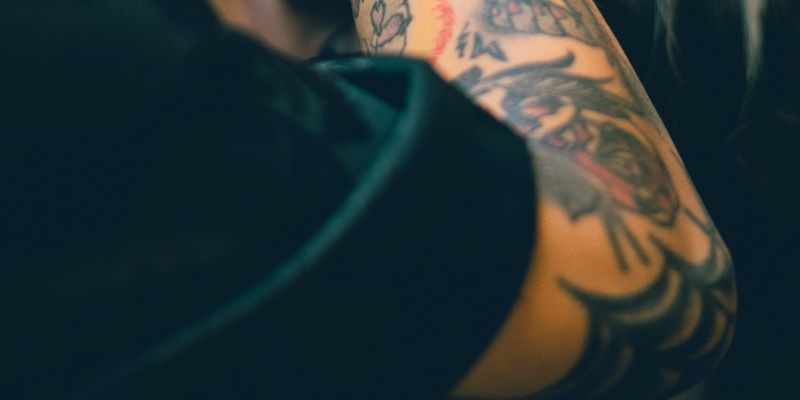
Beyond the web, what does a cobweb tattoo mean when it's no longer tied to the old prison story? That question matters because the design carries a long, loaded history, from incarceration symbolism to modern self-expression. Cobweb tattoos were tied to prison culture in the United States and other major tattoo markets, with the web often read as a marker of time served and the elbow chosen because the bent arm naturally suggests a web on a corner or resting point. In some systems, the motif also picked up white supremacist associations, which is why the same design can still trigger very different reactions today.
At the same time, tattoo culture has moved far beyond its niche roots. The global tattoo market has become a major business, and one industry summary places its value at about USD 2.45 billion in 2023, while another puts the broader industry at about USD 16.2 billion in 2023 and expects continued growth through 2030. U.S. tattoo ownership has also widened into the mainstream, with one cited survey saying 21% of Americans had at least one tattoo in 2023 and another saying 46% of U.S. adults had a tattoo, up from 17% in 1990. That shift explains why a cobweb can now mean resilience, reinvention, or strong visual taste, depending on how it's drawn and where it sits.
The best part is that the design has room to evolve. You can keep the classic elbow look, soften it with watercolor, build it in dots, or pair it with symbols that tell a more personal story. Tools like TattoosAI make that easier by turning a rough idea into multiple design directions you can refine with an artist.
Table of Contents
- 1. Classic Spider Web on Elbow
- 2. 3D Realistic Cobweb with Depth and Shadow
- 3. Watercolor Cobweb with Ink Bleed Effects
- 4. Geometric Spider Web with Sacred Geometry
- 5. Dotwork Cobweb with Stippling Technique
- 6. Japanese Inspired Cobweb with Kanji and Cultural Elements
- 7. Minimalist Cobweb Line Art with Single Continuous Line
- 8. Cobweb with Symbolic Elements
- 8-Style Cobweb Tattoo Comparison
- Spin Your Perfect Design into Reality
1. Classic Spider Web on Elbow
The classic elbow web is still the version most recognize first. It uses a symmetrical pattern of fine lines radiating from a center point, usually with a spider added for emphasis, and the elbow works because its bent shape gives the web a natural frame. That's part of why the motif became so visible in traditional tattoo culture, and why it still reads instantly even when someone uses it for pure style.
This version works best when the linework is confident and uncluttered. If the web is too busy, the shape loses the clean tension that makes it effective in the first place. A strong classic design can feel old-school, bold, and a little defiant, which is why it shows up so often in traditional portfolios and street-inspired flash.
Practical rule: if you want the traditional look to age well, prioritize bold outlines and a placement that doesn't fold too aggressively.
A good TattoosAI prompt for this style is simple and direct. Try: “classic spider web elbow tattoo, symmetrical linework, bold black outline, traditional American tattoo style, optional spider accent, high contrast, clean negative space.” Then generate a few versions with and without the spider so you can compare how much the added symbol changes the tone.
- Best for: people who want the most recognizable version.
- Artist note: ask for line thickness that stays readable as the tattoo settles.
- Visual goal: clear geometry, strong contrast, minimal clutter.
2. 3D Realistic Cobweb with Depth and Shadow

A 3D cobweb changes the whole mood. Instead of reading as a flat symbol, it uses shadow, highlight, and gradient work to make the web look like it's lifted off the skin or tucked into it. That effect gives the design a modern edge, especially for people who want a fresh take without losing the familiar web structure.
The technical challenge is precision. The shading has to support the geometry, not fight it. The web's lines still need to stay legible, because the 3D illusion falls apart fast if the contrast is muddy or the light source is inconsistent. Artists who specialize in hyperrealism usually build these designs carefully, and studio software is becoming more relevant in that process as tattoo planning gets more digital. The tattoo studio software market is estimated at USD 412.7 million in 2025 and projected to reach USD 1,024.5 million by 2034 at a 10.6% CAGR (Dataintelo), which fits the growing demand for design review before needle work.
The best TattoosAI prompt here should emphasize depth. Use the TattoosAI 3D style with wording like, “realistic 3D cobweb tattoo, floating depth, strong light source, detailed shadow, black and grey, placement-ready reference.” Ask for several versions with different spider sizes so you can see how the focal point shifts.
3. Watercolor Cobweb with Ink Bleed Effects
Watercolor cobwebs soften the hard edges of the classic design. Instead of relying only on black linework, they add washes, splashes, and soft color bleed around the web so the tattoo feels more artistic and less rigid. That makes the design appealing for someone who likes the symbolism of the web but wants a more expressive finish.
This style works especially well when the color supports the mood. Purple can push the piece toward mystery, blue can feel calmer, and warmer tones can make the tattoo feel more energetic. The trick is to keep the web readable underneath the paint-like effect. If the color overwhelms the structure, the piece starts to look like abstract art rather than a cobweb tattoo.
Choose placement carefully. Color-heavy designs hold up better on areas that don't get hammered by sun exposure every day.
TattoosAI is useful here because you can compare different palettes before committing. A prompt like, “watercolor cobweb tattoo, delicate black web linework, teal and purple ink bleed, soft splashes, artistic brushstrokes, airy composition” helps you generate variations that still keep the web intact. From there, you can test which colors feel personal instead of just trendy.
The design also pairs well with a real conversation about pigment and maintenance. If you want a vivid watercolor effect, bring several AI versions to your artist and ask which one can be executed cleanly in the placement you want.
4. Geometric Spider Web with Sacred Geometry
Geometric cobweb tattoos feel sharper and more conceptual than the classic version. They merge the natural symmetry of a web with shapes like triangles, hexagons, or mandala-style elements, which gives the piece a more deliberate and structured look. That balance is part of the appeal, the web already has a mathematical feel, and geometry pushes that quality into the foreground.
This is a good choice if you want the tattoo to feel thoughtful rather than purely decorative. The web can sit inside a larger geometric frame, or the geometry can become part of the web's rhythm. Either way, proportion matters. Too many shapes and the design starts to compete with itself, while too few can make the idea feel unfinished.
A clean TattoosAI prompt for this approach is, “geometric spider web tattoo, sacred geometry influence, balanced triangles and hexagons, black linework, precise symmetry, modern minimalist composition.” Keep the first pass simple, then add complexity only after you see how the web and surrounding shapes interact.
You can use a few short guardrails when refining the concept.
- Start simple: one or two geometric motifs is often enough.
- Check balance: the web should still read first.
- Ask for variants: compare circular, angular, and mandala-inspired frames.
- Bring references: three or four AI outputs give your artist room to adjust proportions.
5. Dotwork Cobweb with Stippling Technique
Dotwork changes the texture of the cobweb completely. Instead of solid lines, the tattoo is built from tiny dots that create form, depth, and shading through spacing alone. The result feels patient and intricate, which suits the web motif well because the design itself already suggests careful construction.
This style is especially strong for people who want something refined rather than loud. A dotwork cobweb can look delicate from a distance and reveal a lot of detail up close. It also gives your artist room to control density, so the web can fade softly at the edges or concentrate more heavily around the center.
The planning part matters here. Dotwork takes time, and the execution depends on how evenly the dots are placed. That's why it helps to ask for a few density options before booking the appointment. A prompt like, “dotwork cobweb tattoo, stippling technique, varying dot density, soft shading, crisp web shape, fine detail” gives TattoosAI a strong starting point.
For a deeper reference, use the TattoosAI dotwork style and compare designs with different line softness. Bring the best few to an artist who has real dotwork experience, because this style rewards steady pacing and clean execution.
Useful mindset: dotwork cobwebs look best when the artist treats the dots like structure, not decoration.
6. Japanese Inspired Cobweb with Kanji and Cultural Elements
Japanese-inspired cobwebs blend two visual languages, and that's what makes them interesting. The web can stay central while kanji, cherry blossoms, bamboo, or other elements support the story around it. Done thoughtfully, the design feels layered rather than crowded, and it can carry a sense of destiny, patience, or interconnection without losing the web's identity.
This kind of fusion needs care. Cultural elements shouldn't be thrown in just because they look attractive. If you want kanji, verify the meaning before you commit, and keep the number of supporting motifs limited so the design stays balanced. A web wrapped in blossoms or paired with a single symbolic character usually reads better than a design overloaded with references.
TattoosAI can help you explore combinations without locking you in too early. Use a prompt like, “Japanese-inspired cobweb tattoo, one kanji character, cherry blossoms, black and grey with subtle accents, balanced fusion design, respectful composition.” Then compare versions that lean more traditional or more contemporary, depending on your taste.
If you're choosing a meaning-based element, keep the discussion grounded. The Buy Me Japan happiness symbols guide can be a starting point for cultural research, but your final choice should still be reviewed with someone who understands Japanese tattoo conventions.
7. Minimalist Cobweb Line Art with Single Continuous Line
Minimalist cobwebs are all about restraint. Instead of building a web with lots of spokes and rings, the design is reduced to the smallest version that still reads clearly. A single continuous line or a very small number of strokes can create a clean, elegant effect that feels subtle rather than heavy.
This style works well for small placements like the wrist, ankle, or behind the ear. It also suits people who want the idea of a cobweb without the visual weight of a traditional elbow piece. Because the design is so stripped down, the line quality matters even more than usual. Any wobble or crowding becomes obvious fast, so the artist's hand and the chosen placement both matter.
TattoosAI is useful when you want to test how far the design can be simplified before it stops being recognizable. A prompt like, “minimalist cobweb tattoo, single continuous line, negative space, delicate black line, small placement, elegant and subtle” gives you a good range to start from. Ask for a lot of versions, then remove anything that doesn't serve the shape.
- Best placements: wrist, ankle, collarbone, behind the ear.
- Best size: keep it compact so the linework stays crisp.
- Best feel: quiet, refined, and modern.
8. Cobweb with Symbolic Elements
A cobweb becomes much more personal when you build other symbols into it. A spider changes the tone, a moon adds atmosphere, crystals can suggest healing or clarity, and a skull pushes the design toward mortality or toughness. The web works well as a framework because it can hold other imagery without losing its own identity.
The key is not to overload it. One strong symbol often says more than three weak ones. A moon tucked above the web can feel cleaner than a crowded scene full of extra details, and a single spider can anchor the whole piece with very little visual noise. If the goal is storytelling, every added element should earn its place.
TattoosAI makes this kind of exploration practical. Try a prompt like, “cobweb tattoo with moon, black and grey, elegant composition, symbolic, balanced spacing, realistic spider optional.” Then generate variants with the symbol inside the web, beside it, or overlapping the structure so you can see which arrangement feels most natural.
Use the rare turtle fossil acquisition reference only as a reminder that unusual symbols can feel memorable when they're intentional, not random. The same principle applies here, if you choose a crystal, skull, or moon, make sure it connects to your story.
8-Style Cobweb Tattoo Comparison
| Design | 🔄 Implementation Complexity | ⚡ Resources & Time | ⭐📊 Expected Outcome & Longevity | 💡 Ideal Use Cases | Key Advantages |
|---|---|---|---|---|---|
| Classic Spider Web on Elbow | 🔄 Medium, precise symmetrical linework required | ⚡ Moderate, skilled lineworker, moderate session time; occasional touch-ups | ⭐ High immediate recognizability; 📊 may fade faster at elbow due to friction | 💡 Traditional/blackwork placements (elbow, forearm); testing AI geometric/blackwork | Timeless, scalable, versatile |
| 3D Realistic Cobweb with Depth and Shadow | 🔄 High, advanced shading and light-source planning | ⚡ High, experienced realism artist, long sessions, higher cost, periodic touch-ups | ⭐ Very high visual impact; 📊 3D illusion can soften over 5–10 years without maintenance | 💡 Showpiece realism, mid-to-large placements, hyperrealism portfolios | Striking photorealism and customizable depth |
| Watercolor Cobweb with Ink Bleed Effects | 🔄 Medium–High, combines delicate linework with loose color techniques | ⚡ Medium–High, color expertise, more frequent touch-ups (2–3 yrs), higher cost | ⭐ Medium–High artistic impact; 📊 colors fade faster than black but hide minor aging | 💡 Artistic/colorful placements; creative, storytelling tattoos on less sun-exposed skin | Vibrant, highly personalized, hides minor flaws |
| Geometric Spider Web with Sacred Geometry | 🔄 High, demands mathematical precision and balance | ⚡ High, precise stencil work, longer sessions, experienced geometric artist | ⭐ High lasting clarity if executed well; 📊 ages well when lines remain crisp | 💡 Modern/minimalist placements; seekers of symbolism and visual complexity | Complex, symbolic, highly customizable |
| Dotwork Cobweb with Stippling Technique | 🔄 Very High, extremely meticulous stippling and dot density control | ⚡ Very High, 8–20+ hours, specialist artist, very expensive | ⭐ High distinctive texture; 📊 dots blur slightly over time but maintain readable texture | 💡 Statement pieces for dotwork enthusiasts and detailed blackwork collections | Unique texture, sophisticated and durable appearance |
| Japanese Inspired Cobweb with Kanji and Cultural Elements | 🔄 High, fusion of styles; requires cultural accuracy (kanji, motifs) | ⚡ High, artist experienced in Japanese style, research, higher cost | ⭐ High symbolic depth; 📊 longevity varies with color and placement | 💡 Culturally-informed fusion pieces, narrative tattoos with Japanese aesthetics | Deeply personal storytelling; culturally rich design |
| Minimalist Cobweb Line Art with Single Continuous Line | 🔄 Low, conceptually simple but requires steady fine-line execution | ⚡ Low, quick sessions, low cost; may need occasional fine-line touch-ups | ⭐ Moderate subtle impact; 📊 ages well due to simplicity, though very fine lines can fade sooner | 💡 First tattoos, small placements (wrist, behind ear, ankle), understated styles | Quick, elegant, cost-effective |
| Cobweb with Symbolic Elements (Spider, Crystals, Moon, Skull) | 🔄 Medium–High, balancing multiple motifs within composition | ⚡ Medium–High, varied detail increases time/cost depending on elements | ⭐ High personalization and narrative impact; 📊 complexity affects aging and maintenance | 💡 Personalized storytelling tattoos, mixed-style compositions, versatile placements | Highly customizable; expressive and conversation-starting |
Spin Your Perfect Design into Reality
Cobweb tattoo designs can carry a lot more than old stereotypes. They can still honor the classic elbow web that many people recognize, but they can also become geometric, painterly, minimalist, or symbolic when you shape them with intention. That flexibility is exactly why the design keeps showing up in modern tattoo culture, even as its meaning continues to shift across style, placement, and audience.
If you're deciding on your own version, start with the feeling you want the tattoo to give off. Do you want something bold and traditional, quiet and minimal, or artistic and layered? Once you know that, it becomes easier to choose the right line weight, placement, and supporting elements so the design reads the way you intend.
TattoosAI helps turn that judgment into something visual. Instead of guessing from a single sketch, you can generate multiple cobweb directions, compare styles, and refine the concept before you sit down with an artist. That saves time, reduces uncertainty, and gives you a clearer reference for a tattoo that feels personal instead of generic.
If you're ready to see how your cobweb idea looks in different styles, visit TattoosAI and start generating custom concepts. Try a classic elbow web, a dotwork version, or a symbolic design with your own meaning built in, then bring the best results to your tattooist for a more focused consultation.