Finger Tattoos — 200+ designs

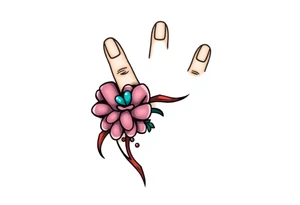
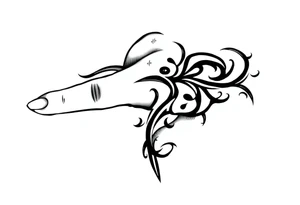
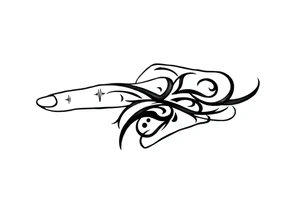
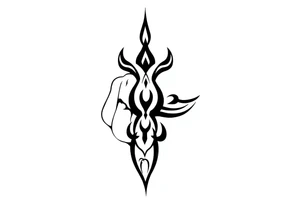
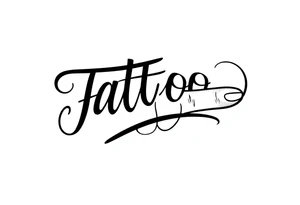
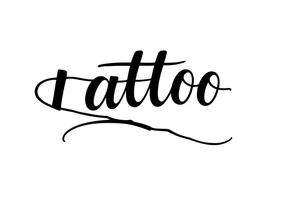
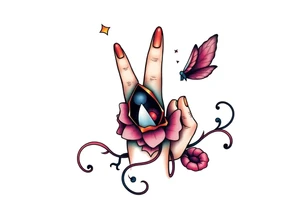
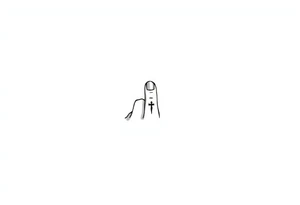
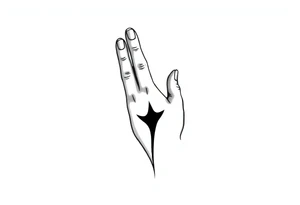
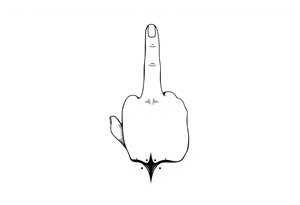
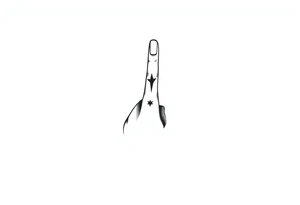
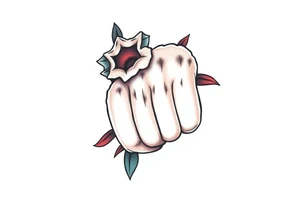
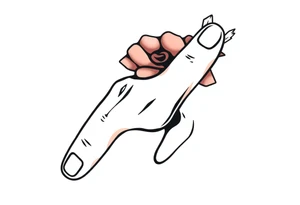
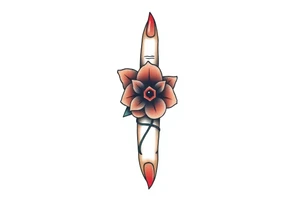
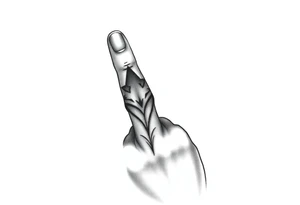
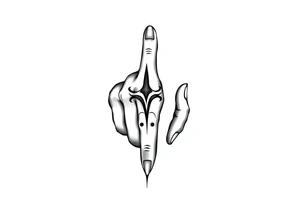
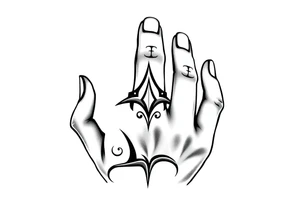
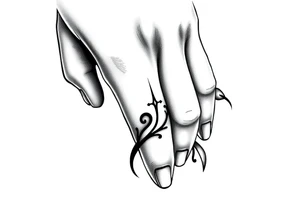
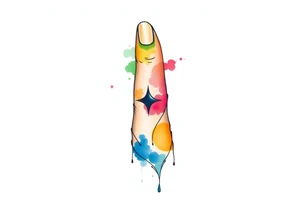
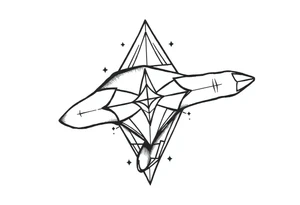
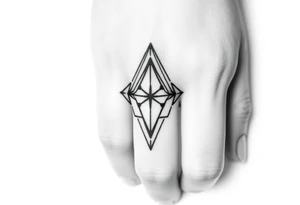
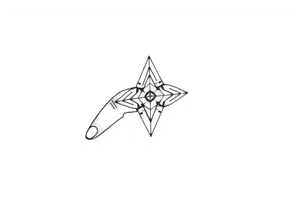
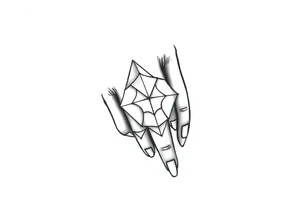
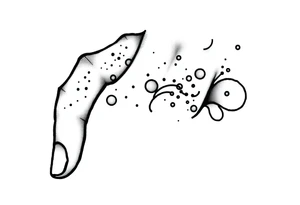
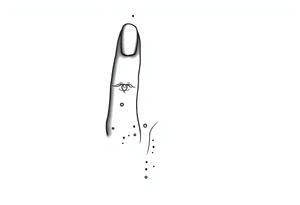
Finger tattoos are the most visible ink you can get short of a hand or neck piece, and they behave differently from anywhere else on the body. The skin is thin, it sits directly over bone and joints, and it renews itself faster than skin on your arm or back — which is why finger tattoos are known for fading, blurring or dropping out in patches within a few years. That isn't a reason to avoid them, but it is a reason to design for it. The pieces that age best on fingers are small, simple and drawn with breathing room: a single line, a tiny symbol, a short word in clean lettering. Placement within the finger matters too. The side of a finger and the segment between knuckles hold ink better than the knuckle itself or the fleshy pad. Browse the gallery below for ideas across minimalist line work, matching band designs, script and micro-symbols, then think about scale and spacing before you commit to anything. Below you will find a collection of finger tattoo design ideas for you to browse and get inspired by.

Join 9,635 happy customers.

What actually works on a finger

You have roughly a centimetre of usable width and two or three centimetres of length per segment. Designs that respect that win. Single symbols — a crescent, a heart outline, a tiny star, an arrow, a letter — read clearly at that scale. Bands and rings work beautifully because they follow the natural shape of the finger rather than fighting it. Short words of three to six letters fit along the side of an index or middle finger. What doesn't work: portraits, detailed animals, anything with shading gradients, or lettering with thin serifs and tight interior gaps. Those details close up as the tattoo settles, and on a finger they close up faster.
Styles that hold their shape

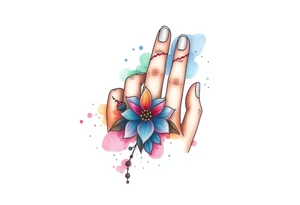
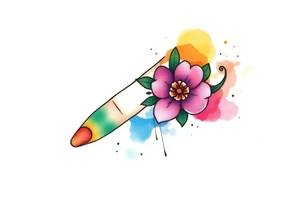
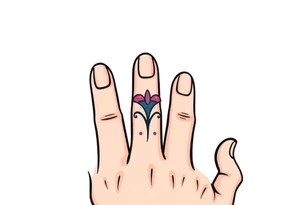
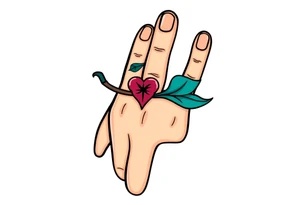
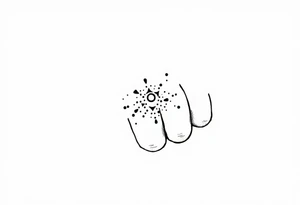
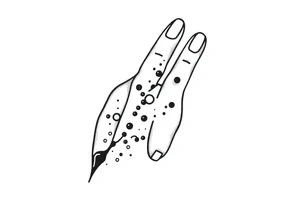
Bold minimalism is the safest bet. A slightly thicker line than you think you need will still look intentional in five years, where a hairline stroke may vanish. Traditional and tribal-influenced blackwork also translate well because they were built around solid, confident shapes. Fine-line script can be stunning but is the highest-maintenance option — expect to touch it up. Dotwork and stick-and-poke aesthetics suit the placement visually, though hand-poked ink on fingers is no more permanent than machine work. Colour is a gamble here: reds and yellows fade fastest against skin tone, so black and heavy grey generally serve you better on the fingers than a palette.

Before you commit

Fingers are among the more painful placements — thin skin, bone underneath, nerve endings throughout — but the sessions are short, often under fifteen minutes. Think about your job and whether visible hand ink causes friction in your field, since fingers are almost impossible to cover. Consider that hands take a lot of abuse from washing, sun and daily use, and plan for touch-ups as part of the cost rather than a failure. Some artists decline finger work outright or will only do it with a clear conversation about longevity; that's a sign of care, not obstruction. If you're unsure, start with one small piece on the side of a finger rather than a full set of knuckles.
Finger tattoos — common questions

Do finger tattoos really fade faster?

Generally yes. Finger skin is thin, regenerates quickly and gets constant friction from washing and daily use, so ink often lightens or blurs sooner than on other placements. Bold, simple designs hold up best, and most people budget for a touch-up or two rather than expecting the tattoo to stay crisp untouched.

How much detail can I fit on one finger?

Less than you'd hope. One segment of a finger comfortably holds a single symbol or three to five letters. Anything with internal detail — small faces, layered linework, tiny text inside a shape — tends to merge as it settles. If your idea needs detail, consider the side of the hand or the wrist instead.

Are knuckle tattoos different from side-of-finger tattoos?

Yes. Knuckles flex constantly and the skin there is thicker and more textured, so ink can drop out unevenly. The side and the flat segment between knuckles tend to hold more reliably. Many artists will steer you toward those areas, or design around the knuckle rather than directly over it.