Building around the shape of the arm
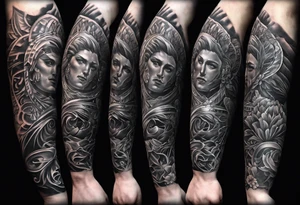
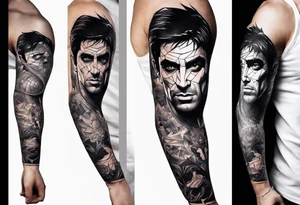
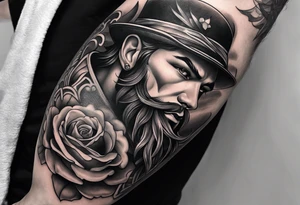
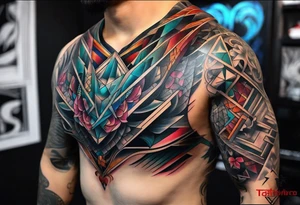
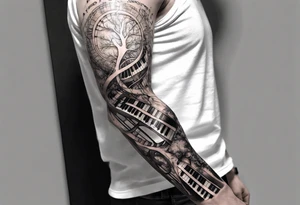
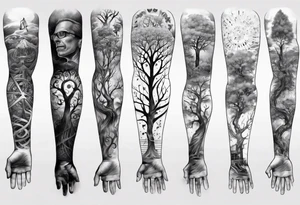
An arm isn't a flat canvas — it's a cylinder that narrows toward the wrist, with a broad deltoid at the top and awkward transitions at the elbow ditch and inner bicep. Strong sleeves use that geometry rather than fighting it. Large focal images sit best on the outer bicep and shoulder, where there's real surface area and the skin stays relatively stable. The forearm suits vertical, elongated subjects that follow the taper. The elbow is usually given a rosette, mandala, filler or background element because detailed faces and text distort there. Wrapping the design, rather than pasting a flat picture on the front, is what makes a sleeve look like it belongs to you.
Styles that hold up at sleeve scale
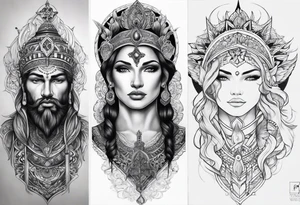
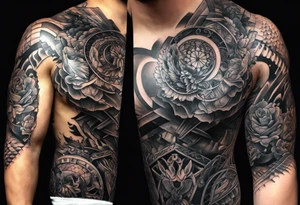
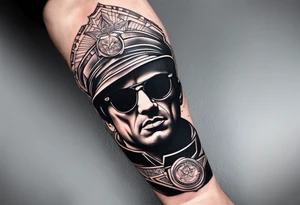
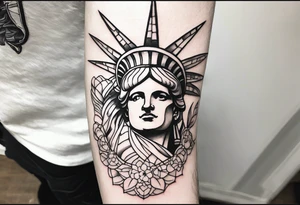
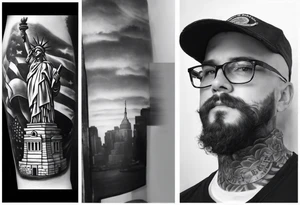
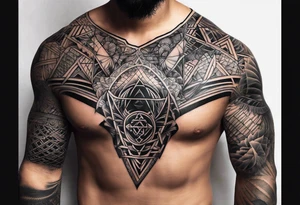
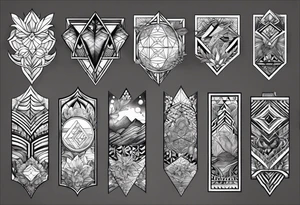
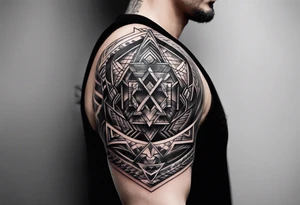
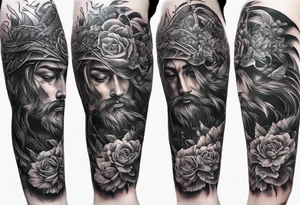
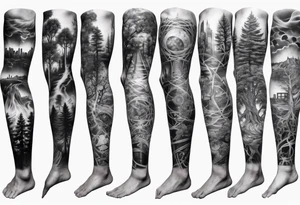
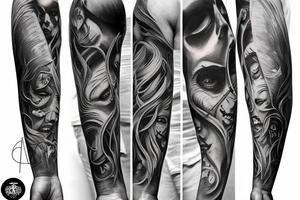
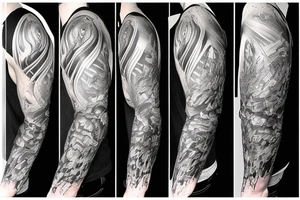
Japanese sleeves are the benchmark for a reason: dragons, koi, tigers and snakes are built to wrap, and wind bars, waves and clouds fill space while guiding the eye. Blackwork and geometric patterns give high impact and age well, since bold shapes stay legible as lines soften. Realism can be stunning but needs a clear plan for how portraits or landscapes connect — floating photographs on skin tend to look scattered. Neo-traditional splits the difference with bold outlines and richer palettes. Biomechanical and abstract styles use the arm's contours directly. Whatever you choose, consistency matters more than the individual style: mixing four unrelated styles rarely reads as one sleeve.
Before you book the first session
Sleeves are built over multiple sittings across months, sometimes years, so pick an artist whose healed work you've seen — not just fresh photos. Ask whether they'll map the whole arm first or build it in stages, and be honest about your budget and schedule. Think about your job and how much of the arm stays visible in a short sleeve. Inner arm and inner elbow tend to be more sensitive than the outer arm, and longer sessions test everyone's tolerance, so eating properly beforehand helps. Leave a little negative space — skin that breathes keeps a sleeve from turning into a dark blur, and gives you room to add later.
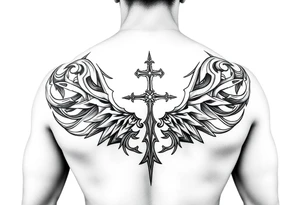
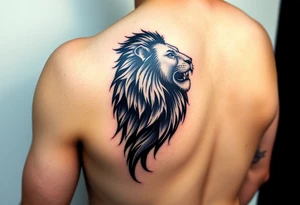
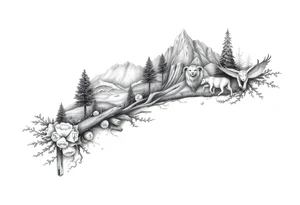
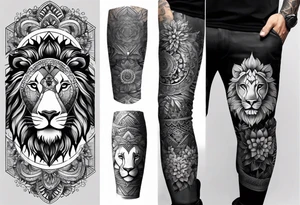
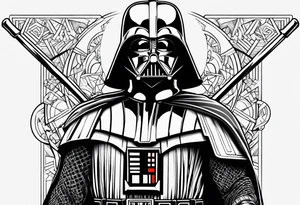
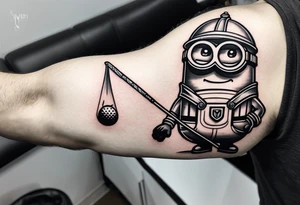
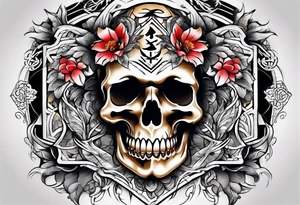
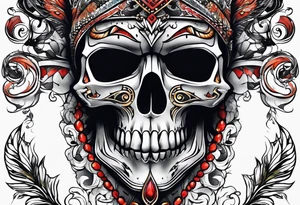
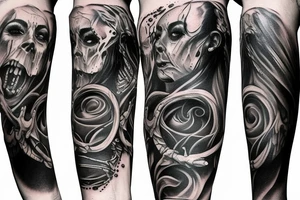
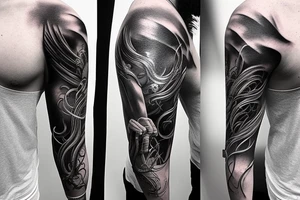
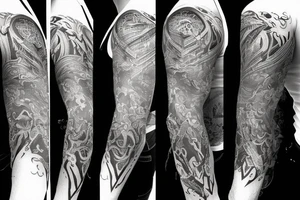
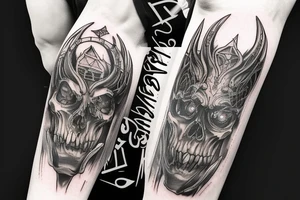
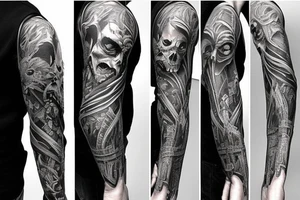
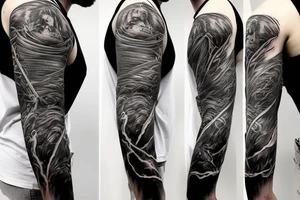
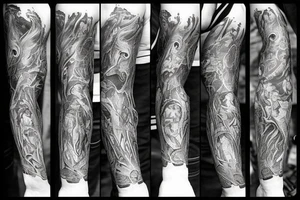
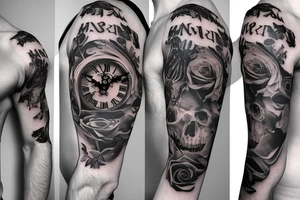
Sleeve Tattoos for Men — common questions
How long does a full sleeve take to complete?
It depends on style, density and your artist's pace, but full sleeves are almost always a multi-session project spread over months. Detailed realism and dense Japanese work take considerably longer than bold blackwork. Expect to book sessions with healing time between them rather than finishing in one marathon sitting.
Should I plan the whole sleeve upfront or add to it over time?
Planning upfront gives the best flow and unified background, and it's the stronger choice if you want one cohesive scene. Building over time suits people who want each piece to mark something. If you're going that route, tell your artist early so they leave space and keep the style consistent.
Which part of a sleeve hurts most?
Most people find the inner arm, inner elbow and areas near the wrist and armpit more sensitive than the outer bicep and forearm, where there's more muscle. Long sessions also get harder regardless of location. Breaking work into shorter appointments is a reasonable request if you're unsure.