What suits the forearm
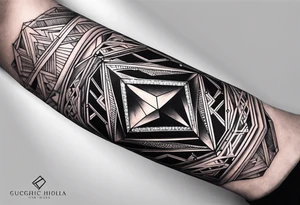
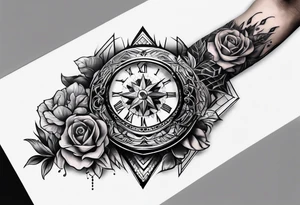
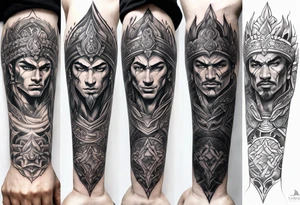
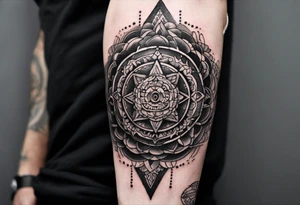
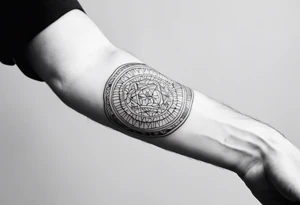
The forearm handles almost any subject, but it rewards designs with a clear vertical flow. Script, dates, compasses, animals, religious imagery and geometric patterns all work because they can run along the arm's length. Inner forearm skin is smoother and flatter, making it the natural home for portraits, fine detail and readable lettering. The outer forearm has more curve and muscle definition, which suits bolder shapes and traditional motifs that don't rely on tiny detail. If you want a design that stays crisp for years, avoid cramming heavy detail into a small footprint here; give it room to breathe.
Size, shape and building toward a sleeve
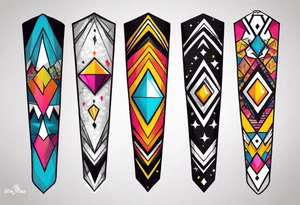
A forearm piece can be anything from a small emblem near the wrist to a full band from elbow to wrist. Because the space is long and tapered, think in terms of vertical panels rather than square blocks. Many men use the forearm as the front half of a future sleeve, so it's worth deciding early whether this is a standalone piece or a starting point. If a sleeve is likely, plan placement and spacing with that in mind, and talk to your artist about leaving room to connect later. Rushing a wrist-to-elbow fill often looks better staged over sessions.
Styles that work well here
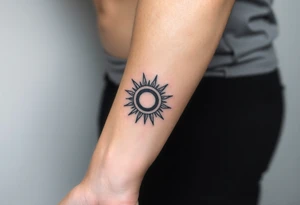
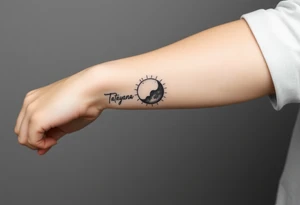
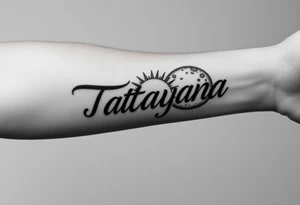
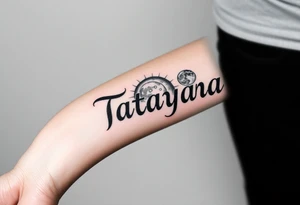
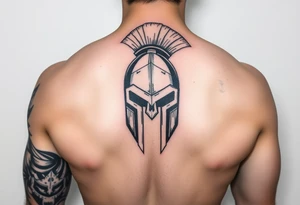
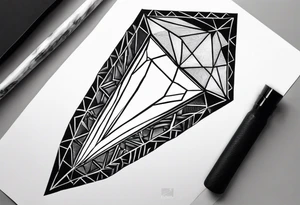
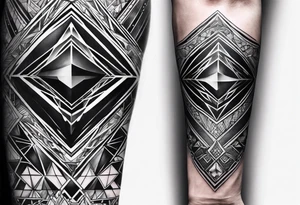
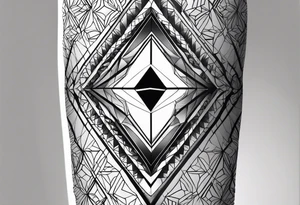
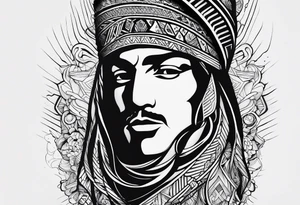
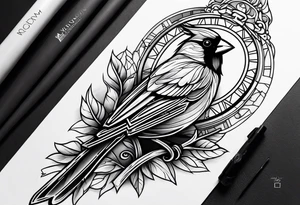
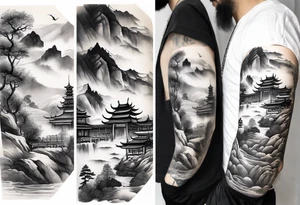
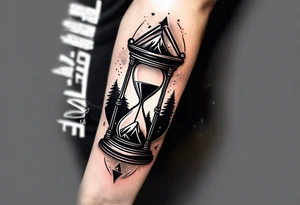
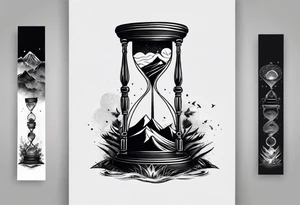
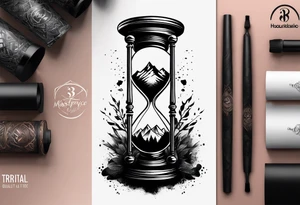
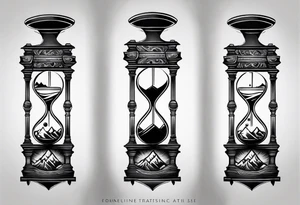
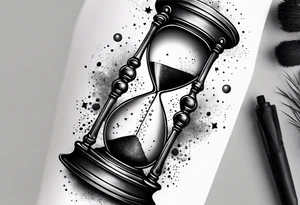
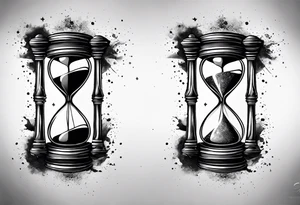
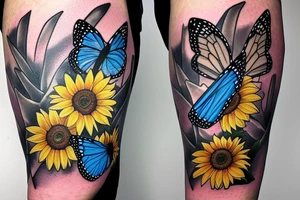
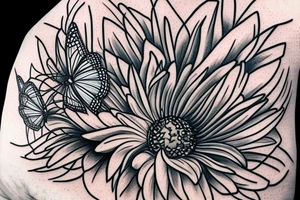
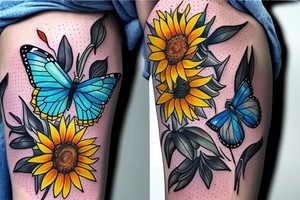
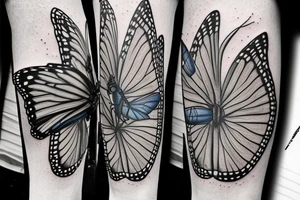
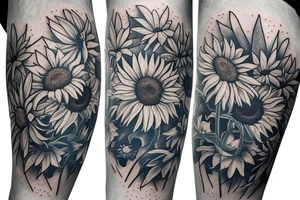
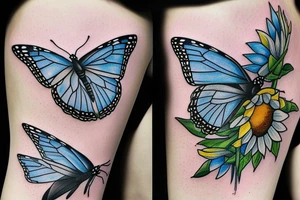
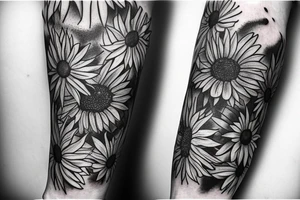
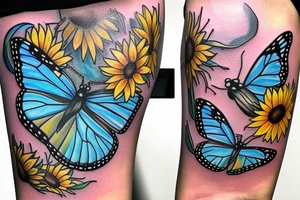
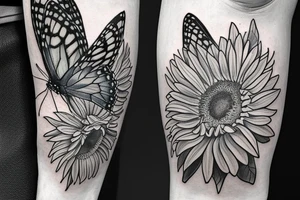
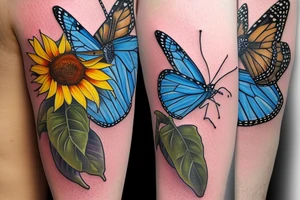
Black and grey realism, fine line, traditional, blackwork and geometric styles all perform strongly on the forearm. Bold black designs age gracefully and stay legible from a distance, which matters on a placement people actually see. Fine line and micro-detail look sharp early on but need thoughtful sizing so they hold up as the skin settles. Lettering is a forearm classic, though picking a legible font and sensible size prevents crowding. Use the gallery to compare how the same idea reads in different styles, then bring your favourites to a real artist for a placement discussion.







Forearm Tattoos for Men — common questions
Do forearm tattoos hurt a lot?
The forearm is generally considered one of the more manageable placements, with a good amount of muscle and fewer sensitive spots than areas like the ribs. The inner wrist and closer to the elbow crease tend to feel sharper. Pain varies by person, so treat this as a rough guide, not a promise.
Should I get one big piece or several smaller ones?
It depends on your plan. A single well-composed piece often looks cleaner and ages better than scattered small tattoos, which can start to feel cluttered. If you might build toward a sleeve, discuss layout with your artist first so future additions connect naturally instead of competing for space.
Which forearm side is better, inner or outer?
The inner forearm is smoother and flatter, favouring portraits, fine detail and script you want to read easily. The outer forearm has more curve and is more visible day to day, suiting bold designs and traditional work. Choose based on the design and how often you want it seen.