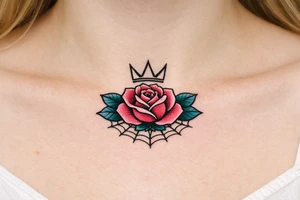
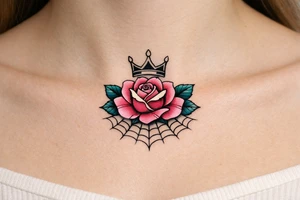
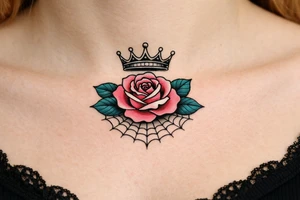
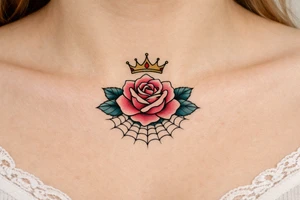
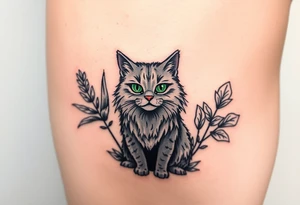
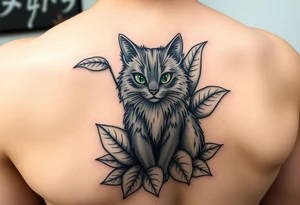
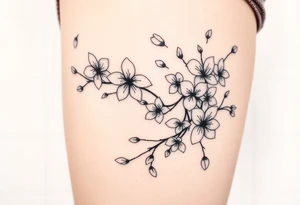
Small Tattoo Ideas — 10,000+ designs

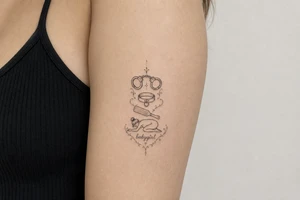
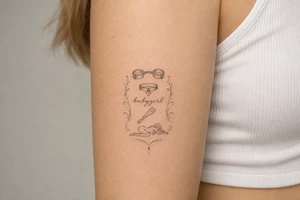
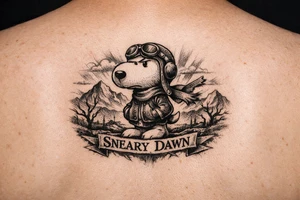
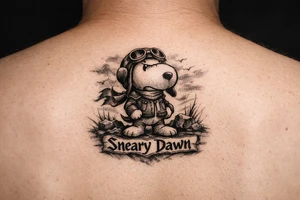
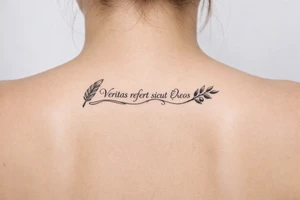
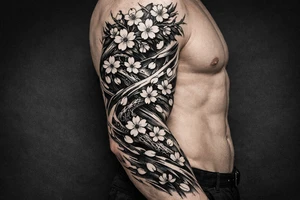
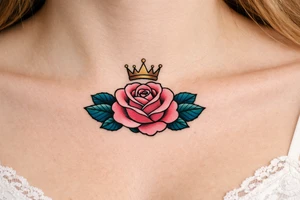
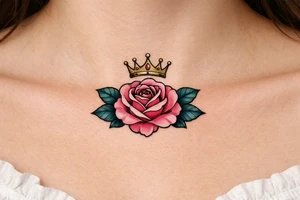
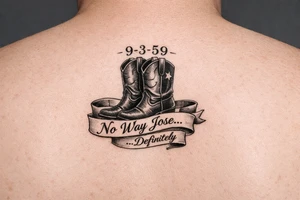
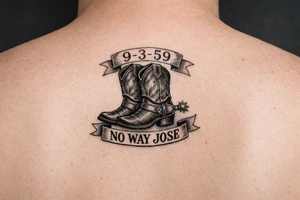
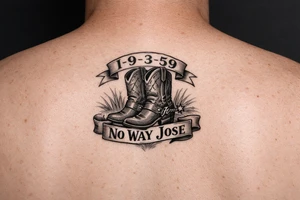
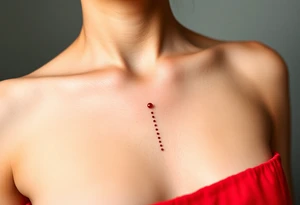
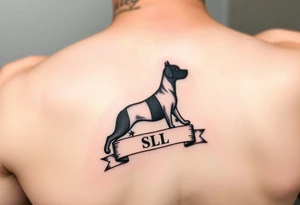
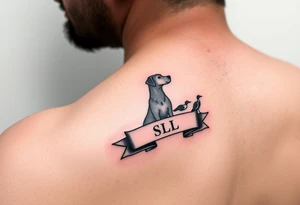
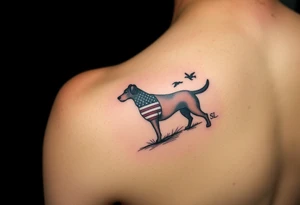
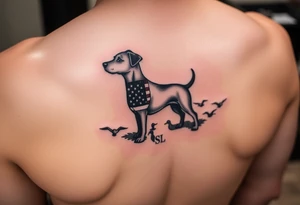
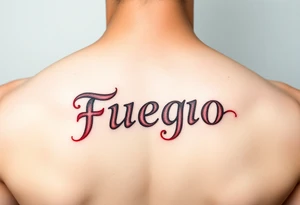
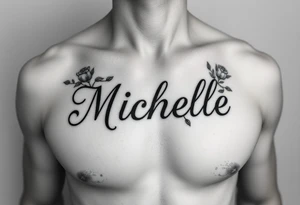
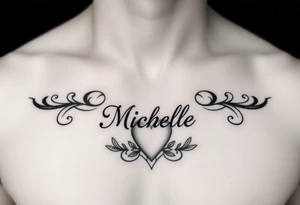
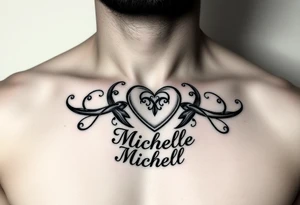
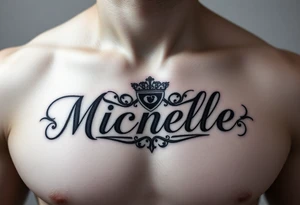
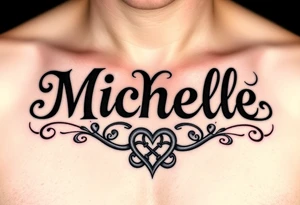
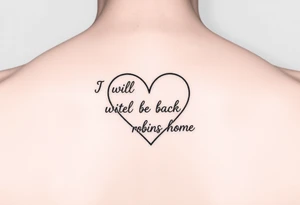
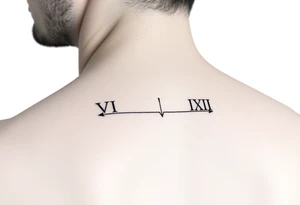
Small tattoos are the most forgiving entry point in tattooing and the least forgiving in terms of design. A palm-sized piece can carry shading, background and a dozen small decisions. A design the size of a coin has to work with maybe fifteen lines. That constraint is the whole craft here: deciding what to keep, and trusting the empty skin around it to do some of the work. The best small pieces read instantly from arm's length and still hold something when you look closely — a single stem, a hand-drawn matchstick figure, three characters in a script you can actually read. The gallery below runs to thousands of designs, so treat it as a way to test your instincts rather than a checklist. Notice which ones stay legible when you shrink the image on your phone, and which ones turn into a smudge. That's roughly what your skin will do with them over a decade. Bring the survivors to an artist, who will tell you which lines need thickening and which details need to go entirely. Below you will find a collection of small tattoo design ideas for you to browse and get inspired by.

Join 9,635 happy customers.

What actually survives at a small scale

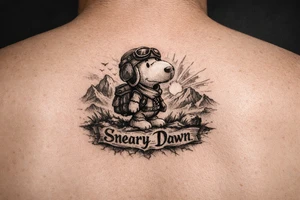
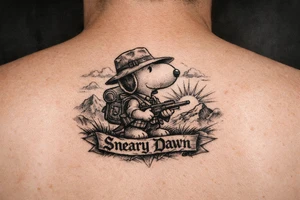
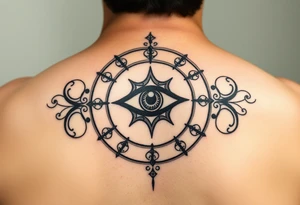
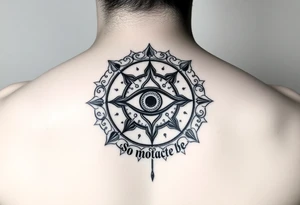
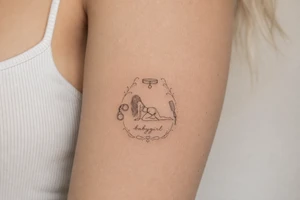
Detail is the enemy. Ink spreads slightly under the skin over years, so lines placed close together tend to migrate toward each other and merge. A tiny portrait becomes a dark patch. A tiny mandala becomes a grey circle. What holds up: bold single-weight linework, negative space used deliberately, symbols with strong silhouettes, and short text at a size where letters have room between them. If you want fine detail, you usually need more room than you think — a design that feels small at three inches often looks entirely wrong at one. Ask your artist for the minimum size a specific design needs. Most will have a firm answer, and it's usually larger than the reference image suggests.
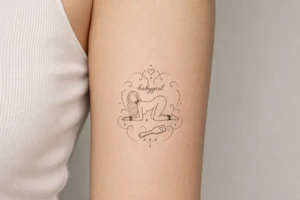
Placement and how shape follows the body

Small designs let you use spots a larger piece can't reach: the inside of a wrist, behind an ear, the side of a finger, the back of an upper arm, the ankle, the sternum. Each one imposes a shape. Long narrow spaces like a forearm's inner edge or the side of a calf suit vertical designs and short vertical text. Rounder areas — shoulder cap, outer ankle, upper back — take circular or self-contained compositions better. Fingers and hands see constant friction and sun and are known for fading faster than most placements. Ribs, sternum and the tops of feet are generally reported among the more painful spots, though small pieces mean short sessions.
Styles that hold up small

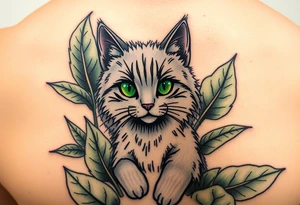
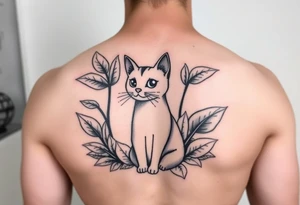
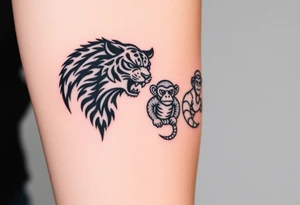
Fine line is the obvious answer and a genuinely good one, but understand the trade: delicate lines age more softly and may need touching up sooner than bolder work. Minimal linework with slightly thicker weight splits the difference. Traditional and neo-traditional shrink well because they were built around bold outlines and limited palettes. Blackwork and simple silhouettes stay crisp for decades. Illustrative sketch styles can work if the sketchiness is deliberate rather than a byproduct of cramming detail in. Micro-realism and tiny colour gradients are the riskiest — they can look extraordinary fresh and lose definition over time, so choose an artist who shows healed photos of that specific work.
Small tattoos — common questions

Is a small tattoo a good first tattoo?

Often, yes. Sessions are short, aftercare is simple, and you learn how your own skin heals before committing to something bigger. Just avoid choosing small purely out of nerves — if the design you actually want needs four inches, a shrunken version will disappoint you longer than the extra hour in the chair would have.

Will a small tattoo fade faster than a large one?

Not because of size alone, but small tattoos live in high-wear places more often. Fingers, hands, feet and inner wrists get more friction and sun exposure, which affects any tattoo there. Fine lines placed very close together also blur sooner. Placement and line weight matter more than overall dimensions.

Can I add to a small tattoo later?

Usually, and it's worth planning for. If there's a chance you'll extend it into a sleeve or a larger composition, mention that at the consultation so the artist positions and weights it accordingly. A well-placed small piece can become an anchor point; a badly placed one becomes something to work around.