Wrist Tattoos — 400+ designs
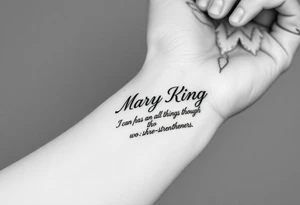
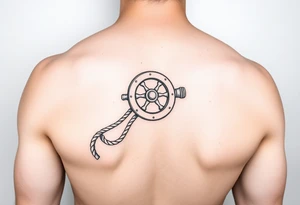
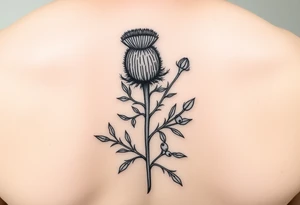
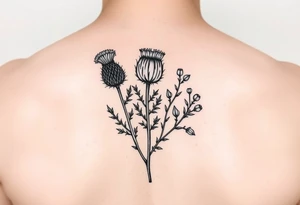
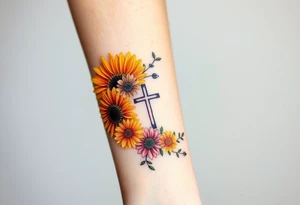
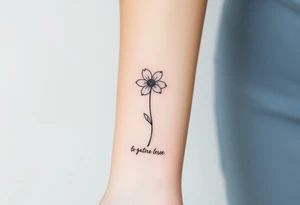
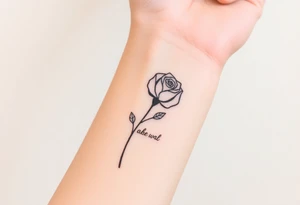
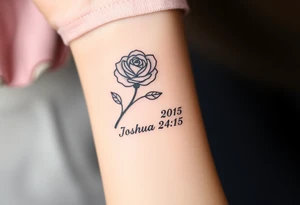
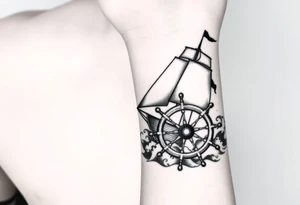
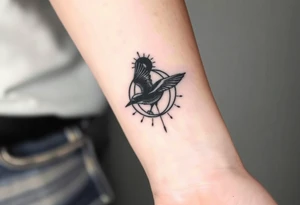
The wrist is a small canvas with a big personality. It sits at the end of your arm, in constant motion, visible in almost every handshake, every photo, every glance down at your watch. That visibility is the whole point for some people and the main hesitation for others. Anatomically, you have several distinct surfaces to work with: the inner wrist, soft and pale and the most traditional spot for script or a small symbol; the outer wrist, flatter and more exposed to sun; and the side of the wrist, a narrow strip that suits vertical or wrapping designs. Each behaves differently under a needle and holds ink differently over years of movement. The 1,071 designs in this gallery range from single-line minimalism to full wraparound bands, so you can see how the same idea reads at different scales. Before you scroll, it helps to know what the placement rewards: clarity over complexity, deliberate orientation, and a shape that respects the fact that the wrist is a joint, not a flat panel. Below you will find a collection of wrist tattoo design ideas for you to browse and get inspired by.


Join 9,635 happy customers.
What actually suits the wrist
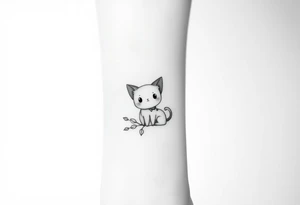
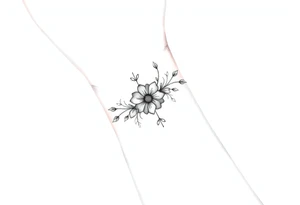
Small, legible, high-contrast designs win here. A single botanical stem, a geometric shape, a short word, a tiny animal, a symbol you don't need to explain — these all hold up. What struggles is dense detail: portraits, heavy shading gradients and intricate mandalas compressed into two inches tend to blur into a grey mass as they settle. If you love a complex subject, consider a simplified version of it rather than a shrunken one. Wraparound bands, chains and vine motifs also work beautifully because they follow the natural cylinder of the wrist instead of fighting it. And think about which way it faces: inner-wrist pieces are usually oriented for you to read, outer-wrist pieces for everyone else.
Size, shape and how they interact
Most wrist tattoos land somewhere between one and three inches, and the shape matters more than the dimensions. Horizontal designs sit neatly in the crease between hand and forearm but can distort slightly as you flex. Vertical designs, running up toward the forearm, give you more room and read cleanly when your arm hangs at your side. Bands and circles need an artist who can match the ends convincingly on a curved surface. If you want something bigger, the smartest move is often to let it spill upward into the lower forearm rather than cramming it into the joint itself. That also gives you a natural starting point if you ever want to extend into a sleeve.
Before you commit
The wrist is one of the harder placements to hide, so be honest about your workplace, your family and how you feel about strangers asking questions. Skin here is thin over bone and tendon, which makes it a more sensitive spot than the outer forearm — most people describe it as sharp but quick, since the sessions are short. It's also a high-exposure area: sun, hand-washing and sleeve friction all take a toll, so fine lines may soften sooner than the same design elsewhere. Plan for touch-ups as normal maintenance rather than a failure. Finally, test the concept: draw it on, live with it for a week, and see whether you still like catching sight of it.

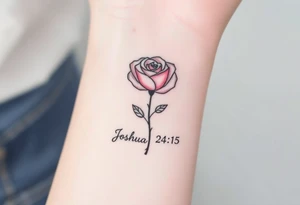
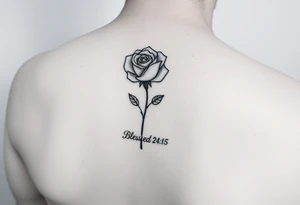
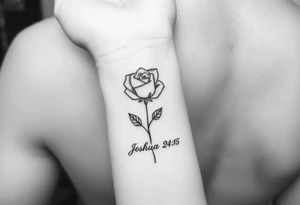
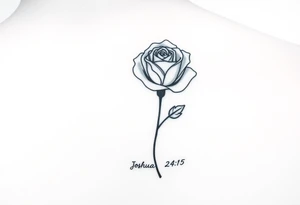
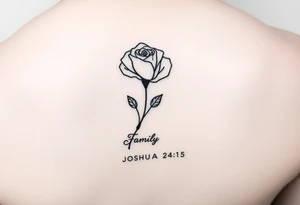
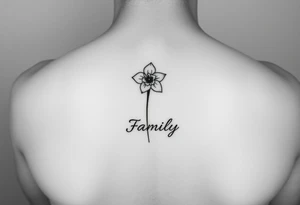
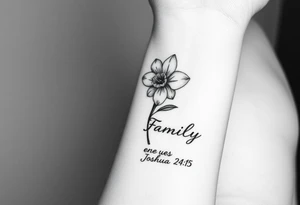

Wrist tattoos — common questions
Do wrist tattoos fade faster than other placements?
They can. The wrist gets more sun and more friction from sleeves, watches and hand-washing than most covered areas. Very fine lines and small lettering are the first things to soften. Choosing slightly bolder linework, keeping it covered in strong sun and expecting an occasional touch-up all help it stay crisp.
Inner or outer wrist — which should I choose?
Inner wrist is more private, softer skin, and traditionally used for words or symbols meant for you. Outer wrist is more public, sits on flatter skin over bone, and reads well to other people. If you want something you can partially cover with a watch or sleeve, the inner side is usually easier to conceal.
How much does the wrist hurt compared to other spots?
It's among the more sensitive placements because the skin is thin and sits close to bone and tendon. Most people find it sharp rather than unbearable, and the small size means sessions are short. If it's your first tattoo, the brevity often makes it more manageable than the sensation suggests.