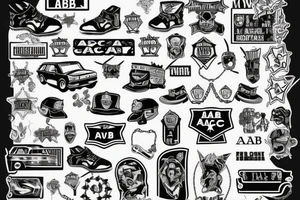
Acab Tattoo Ideas

ACAB tattoos are commonly associated with the sentiment "All Cops Are Bastards" and the anarchist movement. This tattoo is a statement against police brutality, corruption, and abuse of power. It represents a belief in the need for systemic change and a desire for a society without oppressive policing. Typically, the letters "ACAB" are written in bold and capitalized to emphasize the message. This tattoo is often placed on highly visible areas such as the forearm, hand, or neck to send a strong and provocative statement to the public. Below you will find a collection of acab tattoo design ideas for you to browse and get inspired by.

Join 9,635 happy customers.

What the ACAB Tattoo Really Means

Beyond the literal expansion of the acronym, ACAB functions as shorthand for a broader critique of policing as an institution rather than an attack on any single officer. For many who wear it, the message is that the system itself produces harm regardless of individual intent. It signals solidarity with people affected by state violence, wrongful arrests, and unequal enforcement. Some interpret it as a call for abolition, others as a demand for accountability and reform. The meaning is intentionally confrontational, and wearers generally understand it as a political declaration rather than a personal insult. Because it is so loaded, most people who choose it want the message read clearly and taken seriously.


Where the Symbol Comes From

The phrase "All Cops Are Bastards" circulated in British working-class and prison culture and became widely visible through UK punk and later skinhead subcultures in the 1970s and 80s, appearing on jackets, walls, and hand tattoos. It spread internationally through punk, football terrace culture, and anti-authoritarian movements. The number "1312" is a common numeric substitute, standing for the positions of the letters A, C, A, B in the alphabet. In recent years the phrase resurfaced heavily during protests against police violence. Meanings and intensity vary by country and community, so the same four letters can read differently depending on local context.

How It Is Usually Rendered and What to Consider First

ACAB is typically inked in plain bold capitals, often one letter per finger, or as the numeric "1312." Styles range from stick-and-poke and blackwork to gothic lettering, and it is sometimes paired with anarchist or protest imagery. Placement on the hands, knuckles, or neck maximizes visibility, which is usually the point. Before choosing it, weigh how permanent and public the statement is. It can affect job interviews, travel, and interactions with authorities, and knuckle tattoos are notoriously hard to remove or cover. Make sure the sentiment reflects a lasting conviction, not a passing mood, and consider a less exposed placement if you want flexibility.

Acab tattoos — common questions

Does ACAB mean you hate individual police officers?

Most wearers describe it as a critique of policing as an institution rather than hatred of specific people. The intended message is that the system produces harm regardless of individual character. That said, others do read it as broadly antagonistic. How it lands depends on the viewer, so expect a range of reactions.

What does 1312 mean?

1312 is a numeric code for ACAB, using each letter's position in the alphabet: A is 1, C is 3, A is 1, B is 2. It carries the same meaning as the lettered version but reads as more discreet, which appeals to people who want the message recognized only by those in the know.

Should I get an ACAB tattoo on my hands?

Hand and knuckle placement is common and highly visible, which fits the tattoo's confrontational intent. However, it can affect employment, travel, and everyday interactions, and hand tattoos fade faster and are difficult to remove. If you want the statement but more control over who sees it, a covered placement is worth considering.