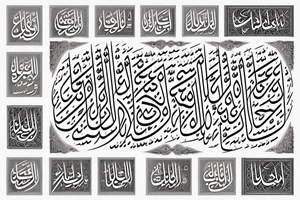
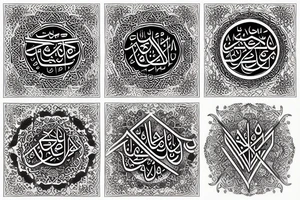
Allah Tattoo Ideas

Allah tattoos symbolize the belief in and devotion to the Islamic god, Allah. It can represent a deep connection to Islam and the values and teachings associated with it. The tattoo may serve as a reminder of faith, spirituality, and the presence of a higher power in one's life. It can also act as a source of strength, guidance, and protection. Suitable locations for an Allah tattoo include the upper arm or chest, as these areas are often associated with strength and courage. It is important to approach religious tattoos with respect and understanding, as they hold significant meaning for individuals who adhere to specific faiths. Below you will find a collection of allah tattoo design ideas for you to browse and get inspired by.

Join 9,635 happy customers.

Islamic Perspective and Religious Significance

In Islam, Allah is the Arabic word for God—the same God worshipped in Christianity and Judaism. The concept predates Islam by centuries; Arab Christians and Jews used "Allah" in prayer long before the 7th century. For Muslims, Allah represents absolute oneness (tawhid), transcendence, and the source of all creation. Depicting Allah as a visual image is not standard Islamic practice; most Islamic art traditions avoid human or representational forms of the divine. Tattoos themselves are debated within Islamic jurisprudence, with many scholars considering them prohibited (haram). Anyone considering an Allah tattoo should understand these theological complexities and consult with Islamic scholars or community leaders about alignment with their faith.
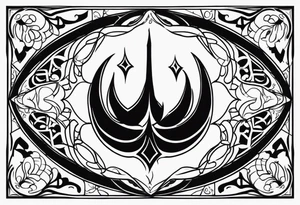
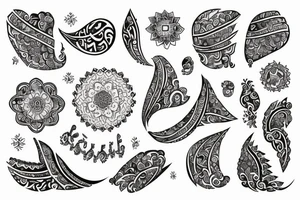
Common Design Approaches

Allah tattoos typically feature Arabic calligraphy of the word "Allah" (الله) rather than figurative imagery. The script is often rendered in traditional styles like Thuluth or Diwani, emphasizing elegance and spiritual reverence. Some designs incorporate geometric Islamic patterns, Quranic verses, or the Shahada (Islamic creed) alongside the word. The calligraphy may be placed within decorative borders, combined with floral motifs, or integrated into larger religious compositions. Black ink is most common, though some choose gold or colored variations. The aesthetic emphasizes beauty and reverence while respecting Islamic artistic conventions that prioritize the written word over representation.

Important Considerations Before Getting This Tattoo

This tattoo carries profound religious weight and should not be chosen lightly. Research your own faith tradition's stance on tattoos and religious imagery—many Islamic schools advise against them. Consider how the tattoo will be perceived within your community and whether it aligns with your spiritual practice. Placement matters: avoid areas that may be disrespectful (lower body, feet). Work with an artist experienced in Arabic calligraphy who understands Islamic artistic principles and can execute the script accurately. Ensure the design is culturally and religiously appropriate. This is ultimately a deeply personal decision that warrants reflection, education, and potentially guidance from trusted religious advisors.

Allah tattoos — common questions

Is it acceptable in Islam to get an Allah tattoo?

This varies by Islamic school and interpretation. Many scholars consider tattoos prohibited, and visual depictions of Allah are not standard Islamic practice. Consult with Islamic scholars or your community's religious leaders about alignment with your faith before proceeding.

What script style is typically used for Allah tattoos?

Traditional Arabic calligraphy styles like Thuluth, Diwani, or Naskh are common. These emphasize elegance and reverence while maintaining readability. Work with an artist skilled in Arabic calligraphy to ensure accuracy and respect for the sacred word.

Where should an Allah tattoo be placed?

Upper arm, chest, back, and shoulder are respectful placements. Avoid lower body areas (legs, feet, buttocks) as these are considered disrespectful in Islamic tradition. The placement should reflect the sacred nature of the design.