Crusader Tattoo Ideas — 30 designs

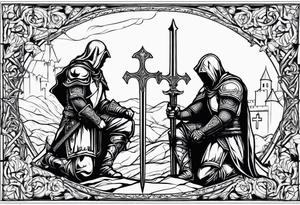
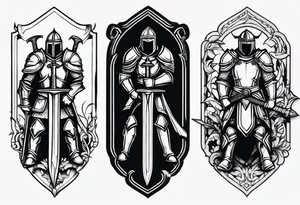
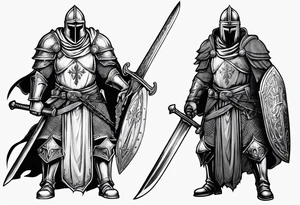
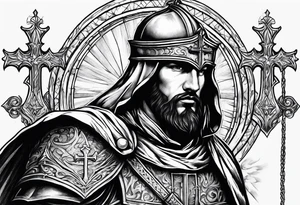
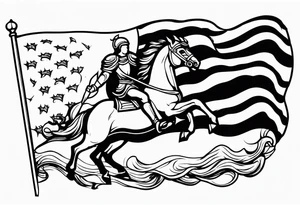
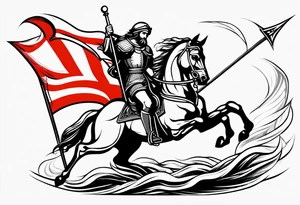
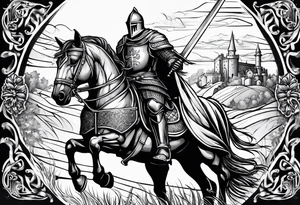
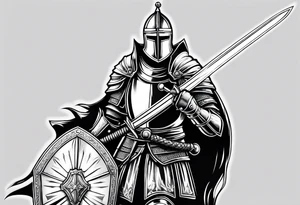
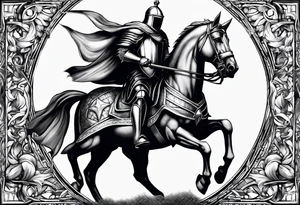
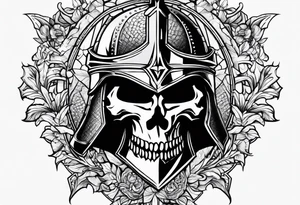
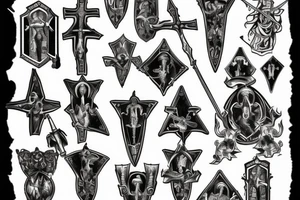
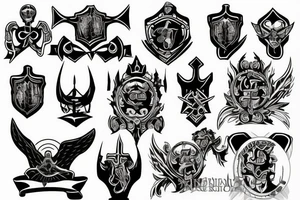
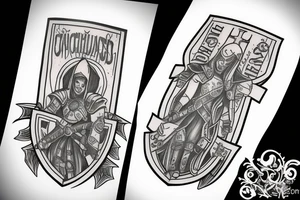
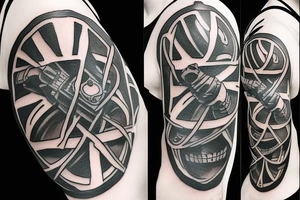
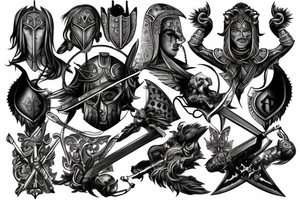
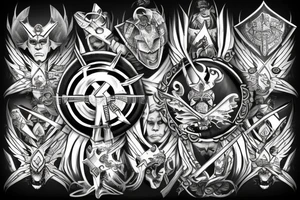
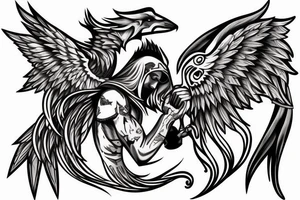
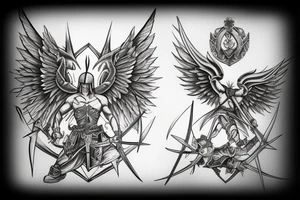
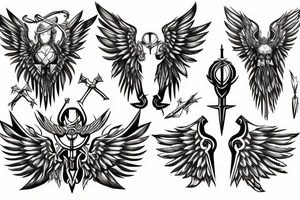
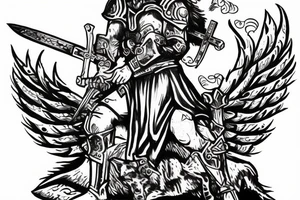
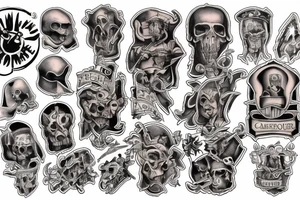
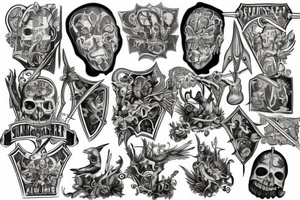
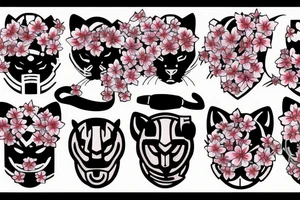
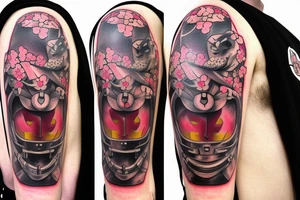
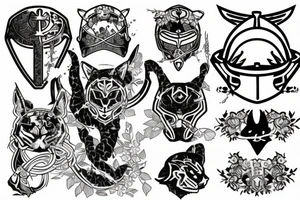
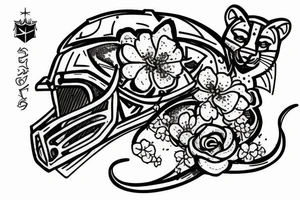
Crusader tattoos symbolize bravery, honor, and devotion to a cause. They can represent the historical Christian warriors who took part in the Crusades, fighting for their faith. These tattoos can also signify a strong belief in justice, righteousness, and the defense of one's beliefs. Crusader tattoos may reflect a person's determination to overcome challenges, adversity, or obstacles in their own life. Additionally, they may convey a sense of loyalty, chivalry, and a code of honor. Suitable locations for crusader tattoos include the upper arm or shoulder, representing strength and courage, or the chest, symbolizing the depth of one's convictions. Below you will find a collection of crusader tattoo design ideas for you to browse and get inspired by.

Join 9,635 happy customers.

Common Symbols in Crusader Tattoos

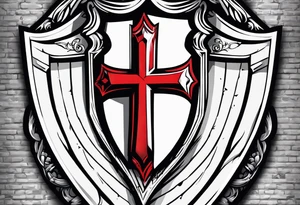
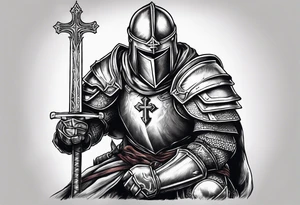
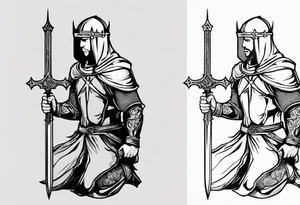
Most crusader designs draw on a handful of recurring elements. The knight in armor, often kneeling or holding a longsword, is the centerpiece for many people. The cross is the most loaded motif: some use a plain Latin cross, others the splayed cross pattée associated with medieval military orders. Helmets, chainmail, shields bearing heraldic crosses, and swords planted point-down in the ground all appear frequently. Latin phrases are common too, most famously 'Deus Vult' ('God wills it'). Each element shifts the tone, from quiet faith and personal resolve to overt martial imagery, so the specific symbols you combine shape how the piece reads to others.
Historical and Cultural Background

The imagery traces back to the Crusades, a series of religiously motivated military campaigns launched from Western Europe beginning in the late 11th century, largely aimed at the Holy Land. The knights are remembered for their armor, crosses, and vows, and later became linked with ideals of chivalry. It is worth being honest that this history is contested: the Crusades involved conquest and violence, and some of their symbols, including 'Deus Vult' and the cross pattée, have been adopted by extremist and nationalist groups in recent years. That doesn't erase the personal or religious meaning many attach to the imagery, but it does affect how a design may be interpreted.

What to Consider Before Getting One

Decide what you actually want the tattoo to say. If your intent is faith, perseverance, or a personal code of honor, focus the design on those ideas rather than aggressive battle scenes. Be aware that certain phrases and cross styles carry political baggage today, and think about whether a viewer might read a meaning you don't intend. Detailed armor, heraldry, and portraiture reward larger placements like the arm, chest, or back, where fine linework has room to breathe. Bring reference images to your artist and talk through both the composition and the message, so the finished piece reflects your intention clearly.

Crusader tattoos — common questions

What does a crusader tattoo mean?

It usually represents bravery, faith, and devotion to a cause, drawing on the image of a medieval Christian knight. For many wearers it also signals personal resolve, a code of honor, or the will to overcome hardship. The exact meaning depends heavily on which symbols and phrases you include in the design.

Is 'Deus Vult' a good phrase to include?

'Deus Vult' means 'God wills it' and was a crusader rallying cry. Be aware it has been adopted by some extremist and nationalist groups online, so it can be read politically today. If the religious meaning matters to you, consider that context and how others might interpret it before committing.

Where do crusader tattoos look best?

Detailed armor, heraldry, and knight portraits need space, so the upper arm, chest, and back are popular choices that let fine linework and shading show clearly. Smaller symbolic versions, like a single cross or shield, can work on the forearm. Match the placement to how detailed your chosen design is.