Invictus Tattoo Ideas — 30 designs

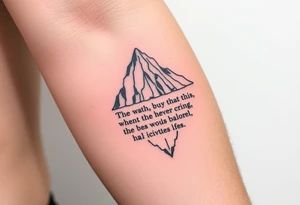
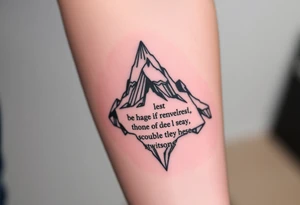
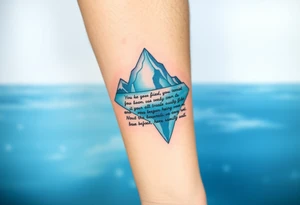
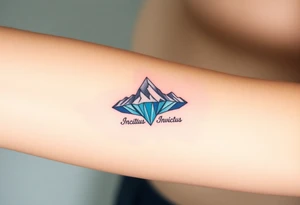
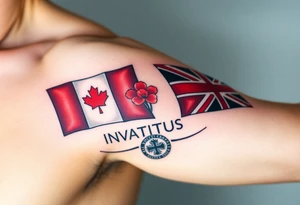
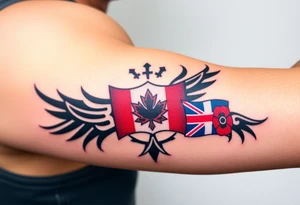
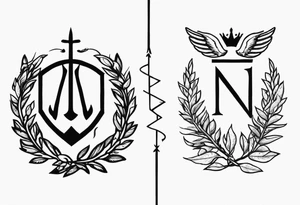
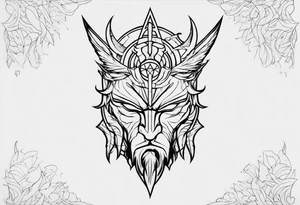
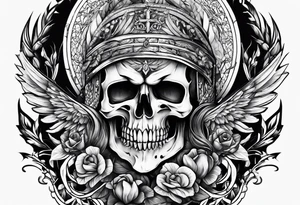
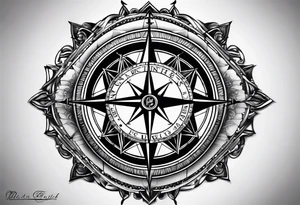
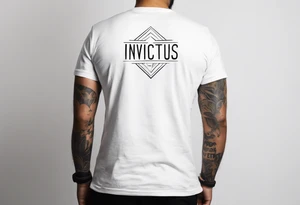
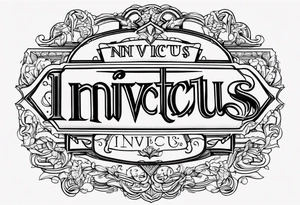
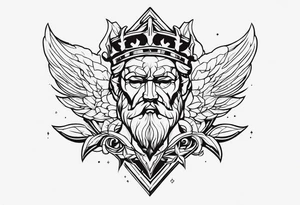
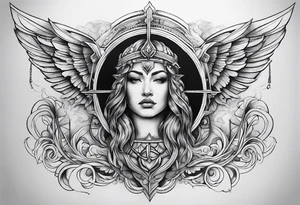
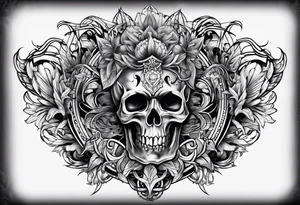
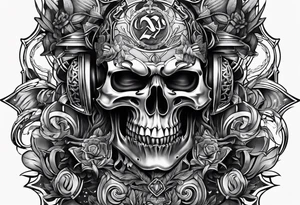
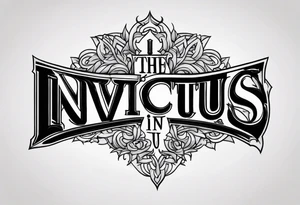
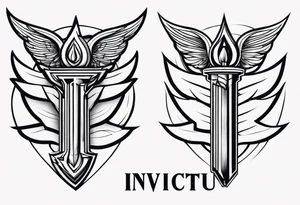
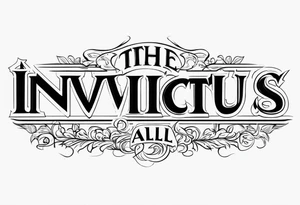
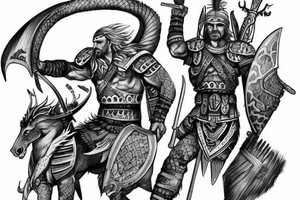
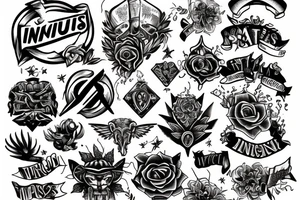
Invictus tattoos symbolize strength, resilience, and determination. The word "Invictus" is Latin for "unconquered," and these tattoos often represent overcoming adversity and emerging victorious. Inspired by the poem "Invictus" by William Ernest Henley, these tattoos can serve as a reminder to never give up, even in the face of challenges. They can be placed on the forearm, symbolizing strength and the ability to conquer obstacles, or on the chest, representing the indomitable spirit within. Additionally, these tattoos can be a powerful symbol of personal empowerment and a constant source of motivation. Below you will find a collection of invictus tattoo design ideas for you to browse and get inspired by.

Join 9,635 happy customers.

The Meaning Behind the Word

"Invictus" carries the weight of self-mastery. The word itself declares that no external force has broken you — not circumstance, not loss, not fear. For many, it marks a specific chapter survived: illness, grief, addiction, or a period when giving up felt easier than going on. The tattoo becomes a private line drawn in the sand, a reminder that the wearer stayed standing. Because the meaning is so personal, two people with the same word can be honouring entirely different battles. The symbol does not describe a victory over others; it describes a refusal to be conquered by your own life. That inward focus is what gives it lasting resonance.
Where It Comes From

The word draws its emotional charge from Henley's 1875 poem "Invictus," written while he endured a long hospitalisation and the amputation of a leg. Its closing lines — "I am the master of my fate, I am the captain of my soul" — are frequently tattooed alongside or instead of the single word. The poem gained wider fame through its association with figures who faced imprisonment and hardship, cementing its link to endurance under pressure. As a Latin term, "invictus" also predates the poem, appearing in Roman contexts as an epithet meaning "unconquered." Most modern wearers connect to the Henley lineage rather than the classical one.

How It's Usually Rendered and What to Consider

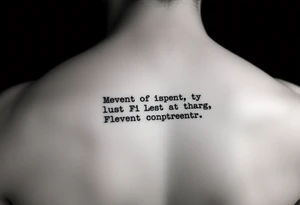
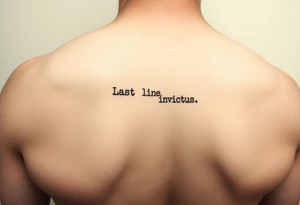
Designs range from clean single-word script — serif, blackletter, or handwritten — to full poem excerpts running down a spine or ribcage. Common pairings include a compass, mountains, a rising phoenix, or a broken-then-mended chain. Placement leans toward the forearm, chest, and inner bicep, where the word stays close and readable. Before committing, decide whether you want the word alone or a quoted line, since text length dictates placement and size. Check spelling carefully — Latin and quotation errors are permanent. If the poem holds specific meaning for you, confirm the exact wording. And sit with whether this word still reflects who you are, not only who you were at the low point.

Invictus tattoos — common questions

Is Invictus a religious tattoo?

Not inherently. Its most common meaning is secular, rooted in Henley's poem about self-reliance and inner strength. Some people do read spiritual defiance into it, but there is no fixed religious tradition attached. The meaning is personal, so a wearer can give it whatever significance fits their own story and beliefs.

Should I get the word or the full poem?

It depends on space and intent. The single word reads clearly at small sizes on a forearm or wrist. Full or partial poem excerpts need larger areas like the ribcage, back, or thigh. If a specific line moved you, quote it. If you want a bold statement, the word alone often carries more impact.

Where does the word Invictus originally come from?

"Invictus" is Latin for "unconquered" and appears in classical Roman usage as a title meaning undefeated. Its modern popularity comes from William Ernest Henley's 1875 poem of the same name, written during a period of serious illness. Most people getting the tattoo connect to the poem rather than the older Latin roots.