Islam Tattoo Ideas — 17 designs
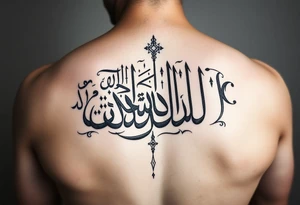
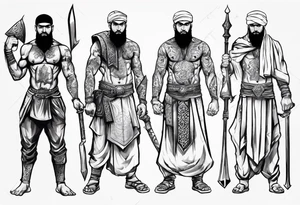
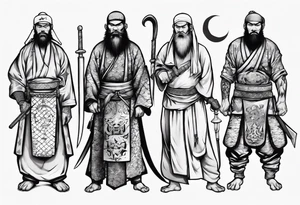
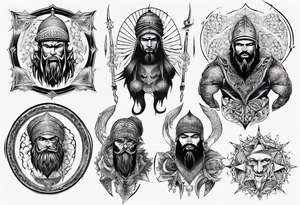
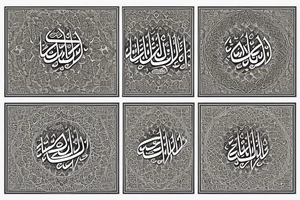
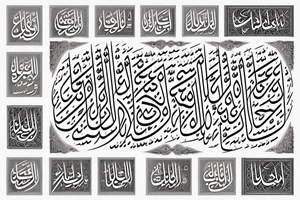
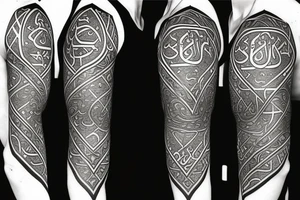
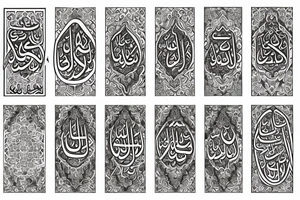
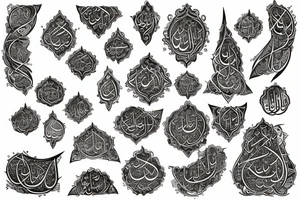
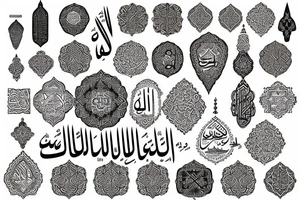
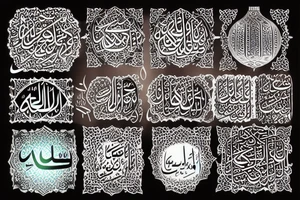
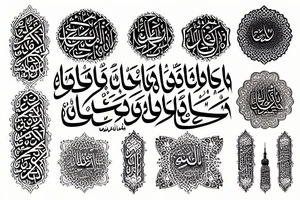
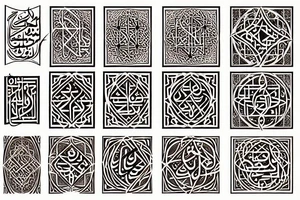
Islam tattoos often depict symbols or phrases that are significant in the Islamic faith. Common Islamic symbols include the crescent and star, which represent the Muslim community and divine guidance. Quranic verses or Arabic calligraphy are also popular choices, as they highlight the importance of the Quran and its teachings. Additionally, the Hand of Fatima or the Evil Eye can be tattooed as symbols of protection from evil. Islamic tattoos are often placed in areas that can be easily covered, such as the upper arm, chest, or back, out of respect for the cultural sensitivities surrounding permanent body art in Islam. Below you will find a collection of islam tattoo design ideas for you to browse and get inspired by.


Join 9,635 happy customers.
The Meaning Behind Islamic Tattoo Symbols
Each design carries weight tied to devotion and identity. The crescent and star became associated with Islam through Ottoman-era usage rather than the Quran itself, and today it reads as a broad marker of Muslim belonging. Arabic calligraphy of names like Allah or phrases such as the Shahada expresses faith and remembrance. The Hand of Fatima, or khamsa, is widely worn across the Middle East and North Africa as a protective emblem, though it is a folk symbol rather than a religious requirement. For many wearers, the point is not decoration but a permanent statement of belief, heritage, or gratitude.
How These Designs Are Usually Rendered
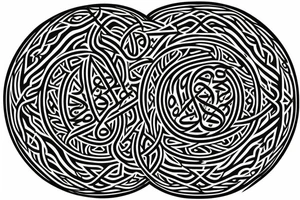
Arabic script demands accuracy, so calligraphic pieces are often adapted from established styles like Thuluth or Diwani, where flowing curves and stacked letters create a sense of movement. Verses are typically kept fine-lined and clean so the words stay legible. The khamsa and crescent are frequently drawn with geometric or arabesque patterning, echoing the interlacing motifs found in mosque architecture. Colour is usually restrained, with black ink and subtle shading favoured over bright palettes. Because a single misplaced letter can change a word's meaning, many people ask a native Arabic reader to verify the text before it is inked.
What to Consider Before Choosing One
Most schools of Islamic thought regard permanent tattooing as impermissible, so this is a deeply personal decision that some Muslims and their families feel strongly about. Think about how the imagery relates to your own relationship with the faith, and whether you are drawing on it as belief or as cultural appreciation. Placement matters: sacred words are often kept off the lower body and away from areas linked to impurity, out of respect. Verify any Arabic text with someone who reads it fluently, and choose an artist experienced in script so the letters connect correctly. Consider whether you want it easily covered.
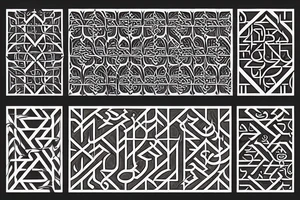
Islam tattoos — common questions
Are tattoos allowed in Islam?
The majority of Islamic scholars across the main schools consider permanent tattoos impermissible, viewing them as altering creation. Views vary between individuals and communities, and some Muslims still choose them. This is a personal decision, and it is worth reflecting on your own beliefs and speaking with a trusted source before committing.
Is it disrespectful to tattoo Quranic verses?
Opinions differ. Some see it as honouring the words, while many consider placing sacred scripture on skin disrespectful, especially where it may be exposed or near areas linked to impurity. If you choose a verse, keep it accurate, place it thoughtfully, and be aware that reactions within Muslim communities can be strong.
Can non-Muslims get Islamic tattoos?
There is no rule stopping anyone, but symbols like the khamsa or Arabic phrases carry religious and cultural meaning for many people. Getting one as pure decoration can read as appropriation. If the imagery matters to you, learn what it means, choose respectfully, and verify any Arabic text is correct.