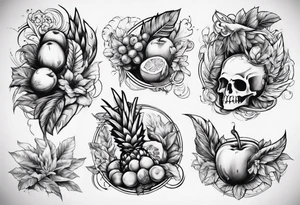
Jamaica Tattoo Ideas — 20 designs

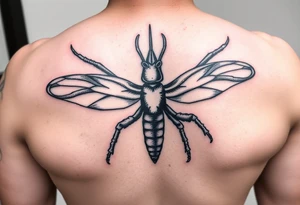
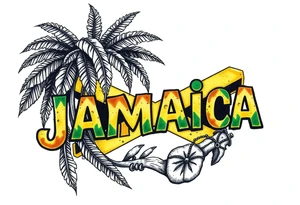
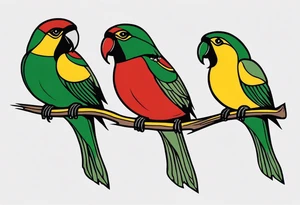
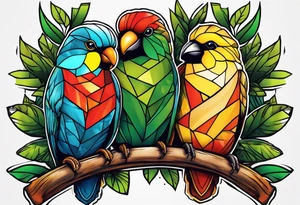
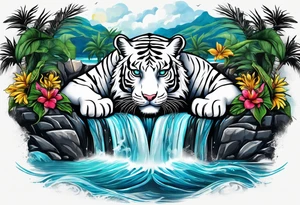
Jamaica tattoos often represent pride and love for the Jamaican culture and heritage. They can symbolize the vibrant and lively spirit of the island, its music (such as reggae and dancehall), and its beautiful landscapes. Jamaica tattoos may also serve as a reminder of positive and joyful experiences in the country, or as a way to connect with one's Jamaican roots or ancestry. Suitable locations for Jamaica tattoos include the shoulder, upper arm, or calf, as these areas allow for larger designs that can incorporate various Jamaican symbols, such as the flag or iconic landmarks like Dunn's River Falls. Below you will find a collection of jamaica tattoo design ideas for you to browse and get inspired by.

Join 9,635 happy customers.

What Jamaica Tattoos Symbolize

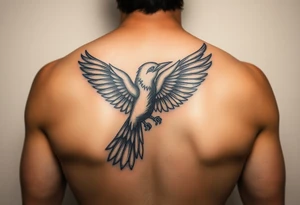
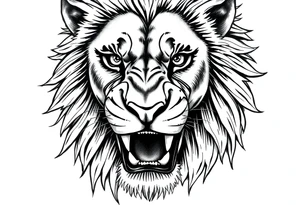
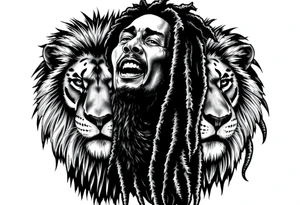
Beyond general pride, specific Jamaican elements carry distinct meanings. The black, green, and gold flag is often read as strength and creativity (black), the land and vegetation (green), and sunlight and wealth (gold). The lion, tied to Rastafari and the imagery of the Lion of Judah, represents dignity, resistance, and spiritual strength. A hummingbird — the doctor bird — is Jamaica's national bird and a symbol of the island itself. Song lyrics, the phrase 'One Love,' or a map outline usually mark a personal bond to home, family, or a formative visit. Because meanings shift between national pride and Rastafari faith, choose symbols that match the story you actually want to tell.
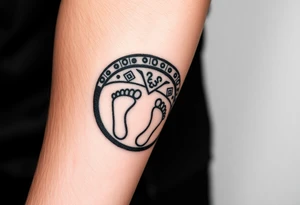
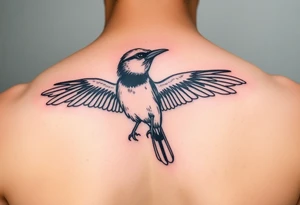
Where the Imagery Comes From

Most motifs draw from real cultural touchstones rather than invented symbols. The flag dates to Jamaican independence from Britain in 1962. The doctor bird and the national fruit, ackee, appear on official emblems. Rastafari imagery — the lion, the red-gold-green colour trio, and references to Haile Selassie — comes from a religious and social movement rooted in Jamaica, so it carries genuine spiritual weight for adherents. Reggae and dancehall references honour artists and a sound that spread worldwide from the island. Knowing which source a symbol belongs to helps you avoid mixing national pride with religious meaning in ways you may not intend.

How They're Usually Designed and What to Consider

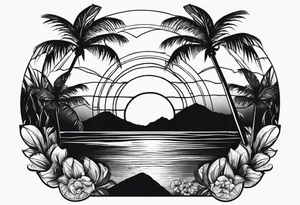
Jamaica tattoos lean on bold colour, since the flag and Rasta palette lose impact in black and grey. Common approaches include a waving flag, a lion's head with a mane in the national colours, script lyrics, or a landscape scene of palms, water, and mountains. Larger areas like the shoulder, calf, or upper arm hold detail and colour best. Before committing, think about whether you're honouring heritage you belong to or a place you love — and be thoughtful with Rastafari imagery if it isn't part of your faith. Confirm your artist is confident with saturated colour, which is harder to keep vivid over time.

Jamaica tattoos — common questions

What do the colours in a Jamaica tattoo mean?

On the Jamaican flag, black stands for the strength and creativity of the people, green for the land and hope, and gold for sunlight and natural wealth. The red-gold-green of Rastafari imagery is a separate palette, tied to that faith, so it's worth knowing which meaning you're drawing on.

Is it disrespectful to get a Rastafari lion if I'm not Rasta?

The lion and red-gold-green imagery hold real religious significance in Rastafari. Wearing them without connection to the faith can read as appropriation to some. If you want to honour Jamaica generally, neutral national symbols like the flag, doctor bird, or landscapes carry pride without borrowing sacred meaning.

Do Jamaica tattoos have to be in colour?

No, but colour is central to most designs, since the flag and Rasta palette depend on it. Black and grey works for outlines, script lyrics, or map shapes. If you want a flag or lion in full colour, plan for possible touch-ups, as bright pigments can fade faster than black.