Kaizen Tattoo Ideas — 25 designs

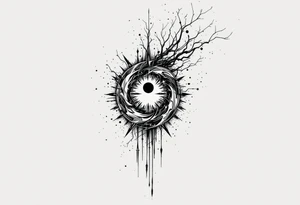
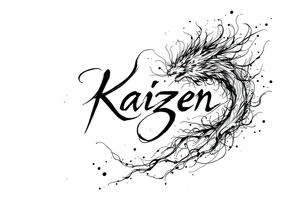
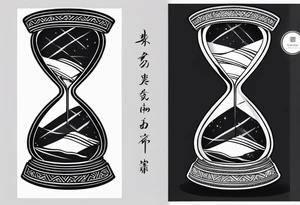
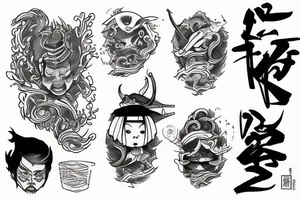
Kaizen tattoos symbolize the concept of continuous improvement and growth. Kaizen, which originates from Japan, emphasizes making small, incremental changes in order to achieve long-term success and progress. This tattoo can serve as a reminder to constantly strive for personal development and to embrace change as a positive force in one's life. The design can incorporate elements such as arrows, progress bars, or the word "kaizen" itself to further emphasize the meaning. A good place for this tattoo would be the forearm or wrist, as these areas are easily visible and serve as a constant reminder to strive for improvement. Below you will find a collection of kaizen tattoo design ideas for you to browse and get inspired by.

Join 9,635 happy customers.

The Meaning Behind a Kaizen Tattoo

At its core, a kaizen tattoo marks a personal commitment to getting a little better rather than chasing dramatic overnight change. The philosophy values consistency over intensity: small daily actions compounding into real transformation. For many wearers, that translates into resilience, patience, and self-discipline — a quiet reminder that progress is a direction, not a finish line. Some people choose it during recovery, career shifts, or after setbacks, using it to reframe struggle as ongoing improvement rather than failure. Because the concept is about process, the tattoo often carries a forgiving message: you don't need to be perfect, you only need to keep moving forward and refining as you go.
Where the Concept Comes From

Kaizen (改善) is a Japanese word combining 'kai' (change) and 'zen' (good), literally meaning 'change for the better' or 'improvement.' While the term is Japanese, its popularity as a business and personal-development idea grew through post-war manufacturing culture, where it described a workplace mindset of ongoing, team-driven refinement. Over time it spread far beyond factories into lifestyle, fitness, and self-help contexts. If you plan to use the kanji, treat it with care: have the characters checked by someone who reads Japanese so the strokes are correct, and understand that its everyday meaning is broader and more practical than the mystical tone Western tattoos sometimes give it.

Common Styles and What to Consider First

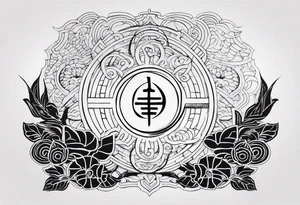
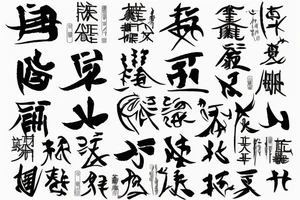
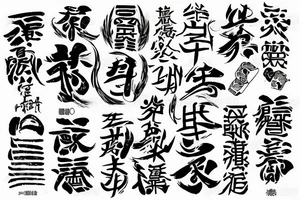
Kaizen tattoos are frequently rendered as the two kanji characters, either bold and blocky or in a looser brush-style calligraphy. Others skip the script entirely in favor of symbols — a rising staircase, an upward arrow, a mountain path, or a small looping cycle representing repeated refinement. Minimalist single-line versions suit wrists and forearms, while brushstroke kanji reward slightly more skin. Before committing, decide whether you want the word to be legible to others or private to you. Think about placement longevity: fine detail on high-flex areas like fingers can blur over time. If accuracy of the kanji matters, confirm the characters independently before your appointment.

Kaizen tattoos — common questions

Is kaizen a religious or sacred symbol?

No. Kaizen is a philosophical and practical concept about continuous improvement, not a religious symbol. It carries no sacred or ceremonial status, so wearing it is generally seen as respectful. The main courtesy is accuracy — using the correct kanji and understanding the word's genuine meaning rather than a loosely translated version.

Should I get the kanji or a symbolic design?

That depends on how much you want strangers to read it. The kanji states the idea directly and looks striking, but risks mistranslation if not verified. Symbolic options like upward arrows or a staircase are more private and universally understood at a glance. Many people combine both for balance.

Where does a kaizen tattoo work best?

Forearms and wrists are popular because they stay visible as a daily reminder. Inner arm, ribs, and the back of the shoulder also work well for larger calligraphy. Avoid very small, detailed kanji on fingers or other high-movement spots, where fine lines tend to blur or fade faster over time.