Khanda Tattoo Ideas

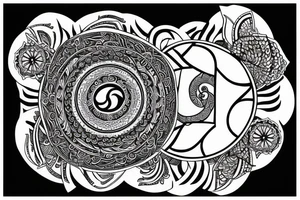
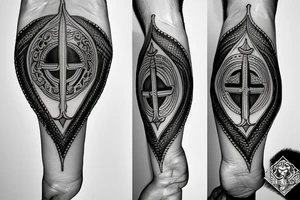
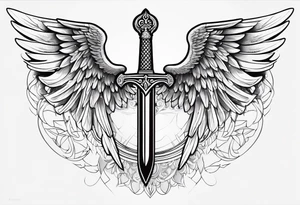
Khanda tattoos are symbolic of Sikhism and represent the beliefs and principles of the Sikh faith. The Khanda is a sacred emblem that consists of a double-edged sword (kirpan), a central circular disc (chakkar), and two curved swords crossed at the bottom (khanda), all surrounded by two curved swords. The Khanda embodies concepts such as spirituality, justice, and liberation. It serves as a reminder of the Sikh commitment to standing against injustice and promoting equality. The tattoo can be placed on the upper arm to showcase strength and conviction or on the back to symbolize protection and defense. Below you will find a collection of khanda tattoo design ideas for you to browse and get inspired by.

Join 9,635 happy customers.

What Each Element Means

The Khanda's power lies in how its parts work together. The central double-edged sword represents divine knowledge that cuts truth from falsehood, and the belief in one God. The circle, or chakkar, is unbroken and without beginning or end, symbolizing the eternal nature of the divine and the oneness of humanity. The two outer curved swords stand for Miri and Piri, the balance of temporal and spiritual authority, political and religious duty held in equal weight. Read as a whole, the emblem expresses a life devoted to justice, service, and freedom, guided by faith rather than fear. This layered meaning is why the symbol carries such weight for those who wear it.
Where the Symbol Comes From

The Khanda is the central emblem of the Sikh faith and appears on the Nishan Sahib, the flag flown at Sikh gurdwaras worldwide. Its name comes from the double-edged sword at its centre, a weapon tied to Sikh martial tradition. The Miri-Piri concept it embodies is associated with the sixth Guru, who taught that spiritual and worldly responsibilities cannot be separated. For Sikhs, the symbol is not decorative but devotional, marking identity, belonging, and commitment to the faith's core principles. Because it is a living religious emblem rather than a historical relic, its meaning is felt strongly by practising communities today, which is worth keeping in mind before choosing it.

How It Is Usually Rendered

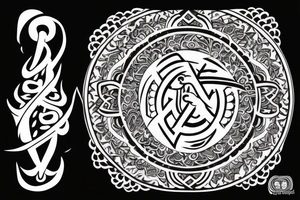
Most Khanda tattoos keep the traditional layout intact, since altering the arrangement can distort the meaning. Fine black linework is common, letting the geometry of the sword, circle, and crossed blades stay crisp and legible. Some choose solid black fill for a bold, flag-like look. Others surround the emblem with elements like the Ik Onkar symbol, lotus petals, or Gurmukhi script, though additions should be chosen carefully so the core symbol stays clear. Size matters more than usual here: the interlocking swords and disc lose definition when scaled down too far, so many artists recommend a mid-to-large placement on the forearm, upper arm, chest, or back.

Khanda tattoos — common questions

Is it disrespectful for a non-Sikh to get a Khanda tattoo?

Opinions within Sikh communities vary. Some welcome respectful appreciation of the symbol, while others feel a sacred religious emblem should not be worn casually or by those outside the faith. If you are not Sikh, learn what it stands for and consider speaking with members of the community before deciding.

Where should I place a Khanda tattoo?

The forearm, upper arm, chest, and back are popular because they give the emblem room to stay detailed and legible. Many people avoid placements considered lower on the body, such as the feet or lower legs, out of respect for a sacred symbol. Choose a spot that keeps the design clear and honoured.

Can the Khanda be combined with other symbols?

Yes. It is often paired with Ik Onkar, Gurmukhi phrases, or the words of Sikh prayers. The key is keeping the Khanda itself accurate and unaltered, since its layered meaning depends on its traditional arrangement. Any additions should complement rather than obscure the central emblem.