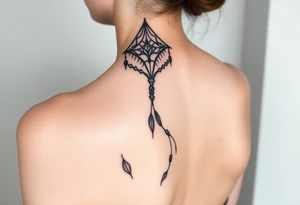
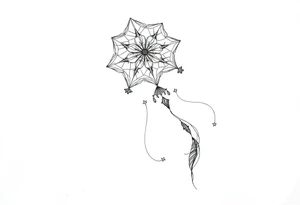
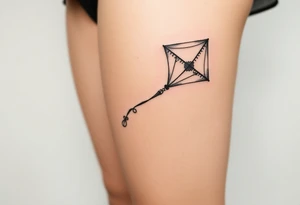
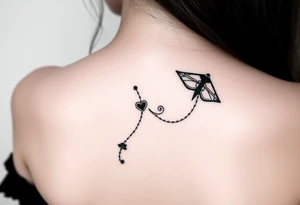
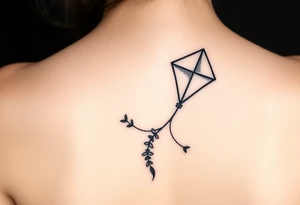
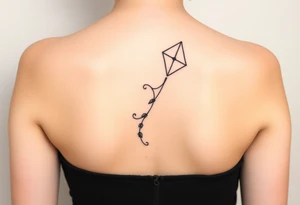
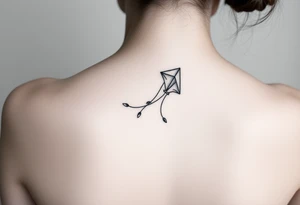
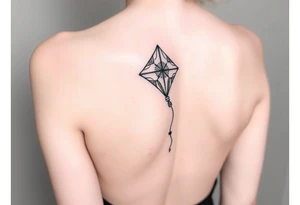
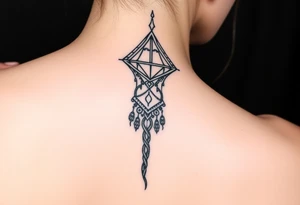
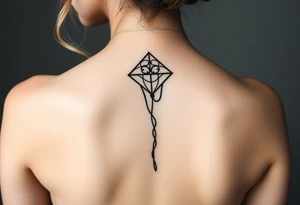
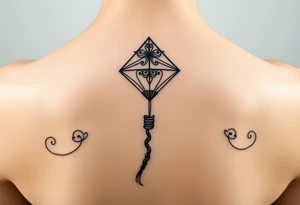
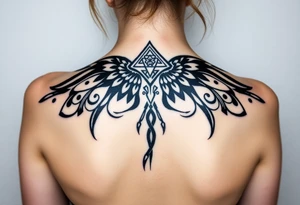
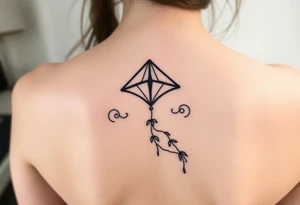
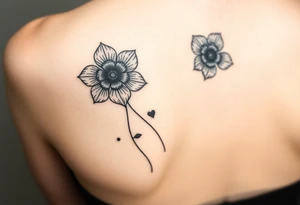
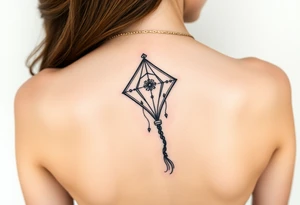
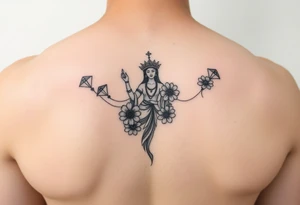
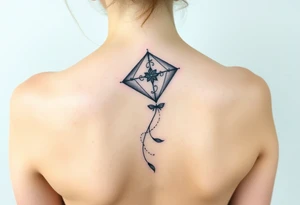
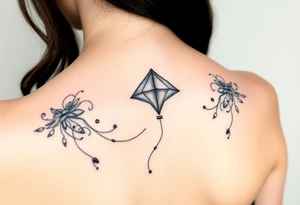
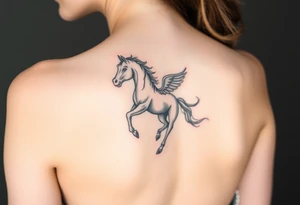
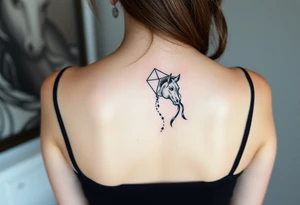
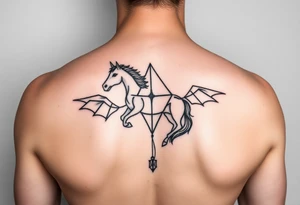
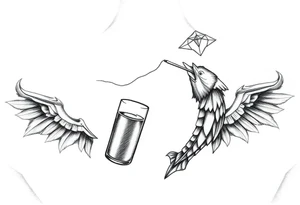
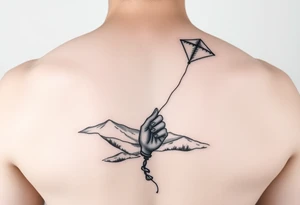
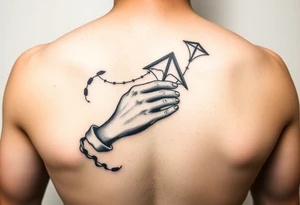
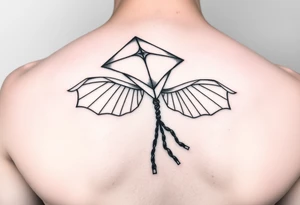
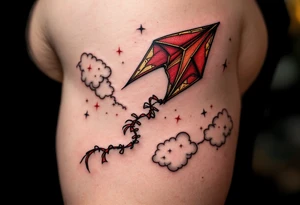
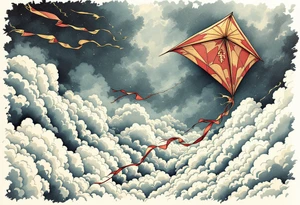
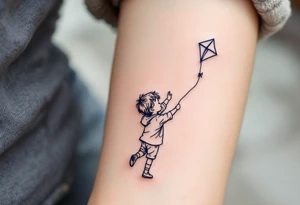
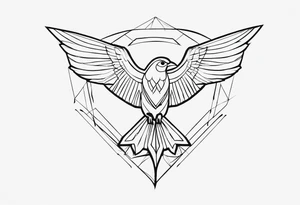
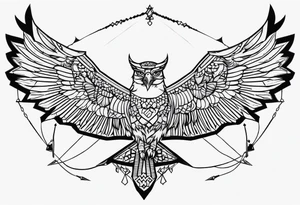
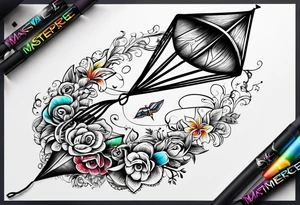
Kite tattoos can symbolize freedom, as kites are often associated with soaring through the sky and escaping earthly limitations. They can also represent childhood innocence and nostalgia, as kite flying is a popular pastime for many. Additionally, kites can symbolize a sense of adventure and exploration, reminding the wearer to always seek new experiences and opportunities. Another interpretation is that kite tattoos can represent dreams and aspirations, as kites are often used to depict hopes and goals flying high. A final interpretation is that kites can be a symbol of connection and unity, as they are often flown in groups or as part of festivals. Good placements for kite tattoos include the upper back or shoulder, symbolizing the freedom and possibility of flight, or the forearm, reflecting the idea of reaching for one's dreams. Below you will find a collection of kite tattoo design ideas for you to browse and get inspired by.

Join 9,635 happy customers.
What makes the kite unusual as a freedom symbol is the string. A kite only flies because something holds it down — it needs both wind and an anchor. Many people choose kite tattoos precisely for this duality: the pull between wanting to soar and needing a grounding force, whether that is family, faith, or self-discipline. Read this way, the tattoo is less about pure escape and more about balance, the idea that structure enables flight rather than restricting it. If that meaning resonates, keeping the string visible in the design matters. A kite drawn without its line reads as unmoored, which changes the message toward loss or letting go.
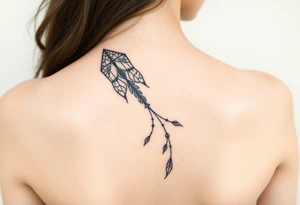
Kites carry specific significance in several cultures, and meanings vary by tradition. In parts of South Asia, kite flying is tied to festivals such as Makar Sankranti and Basant, marking seasonal change and celebration. In China, where kites have a very long history, they have been associated with good fortune and warding off bad luck. Kite fighting is a distinct tradition in Afghanistan and elsewhere. If you want to reference a particular culture, research the specific style and its context rather than borrowing imagery loosely. Choosing a design that reflects a real tradition respectfully will read as intentional rather than decorative.
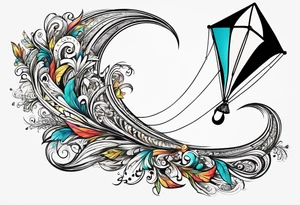
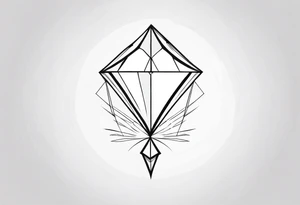
Diamond and box kites are the most recognizable silhouettes and work well in clean line work or minimalist single-needle designs. A trailing string can be extended across the body to connect the kite to other elements — a hand, a heart, a name — which is a popular way to personalize the piece. Watercolor treatments emphasize the sky and movement, while blackwork or geometric versions lean symbolic and graphic. Traditional kites like the sanjhia or Chinese dragon kites bring their own detailed patterning. Think about scale early: fine string detail can blur over time as lines soften, so simpler renderings tend to age more cleanly on smaller placements.
No, but the string changes the meaning. Keeping it suggests balance, connection, or someone guiding you. Leaving it out often reads as release, letting go, or independence. Decide which idea you want to carry, since the presence or absence of the line is the single biggest factor in how people interpret the design.
It can be. The shape is simple, adaptable to almost any size, and works in styles from tiny minimalist outlines to larger illustrative pieces. Just be cautious with very thin string detail on small tattoos, as fine lines can spread over the years. Discuss placement and line weight with your artist beforehand.
Popular pairings include a trailing string leading to a name, date, or heart; birds to reinforce flight; or clouds and stars for a sky scene. Some people connect the string to another person's tattoo as a shared design. Choose elements that support your intended meaning rather than crowding the kite itself.