Maradona Tattoo Ideas — 16 designs

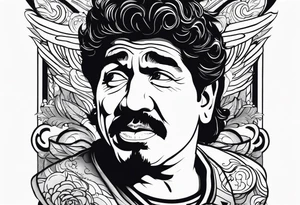
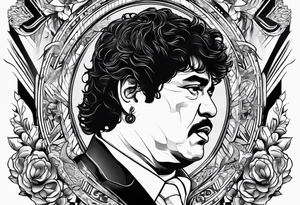
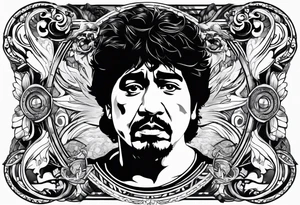
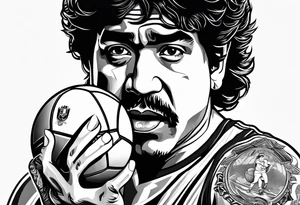
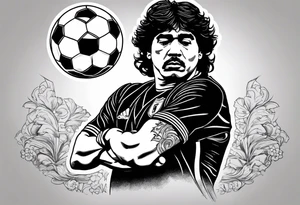
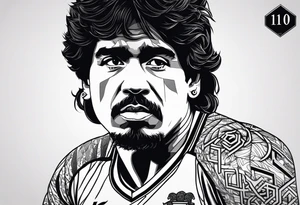
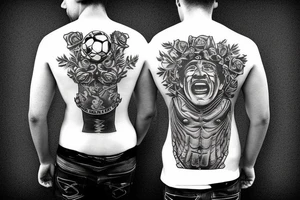
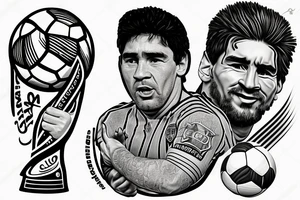
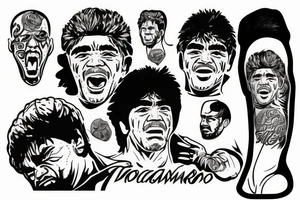
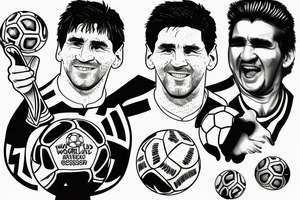
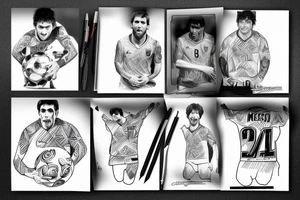
A tattoo of Maradona can represent admiration and reverence for the legendary Argentine football player Diego Maradona. It can symbolize passion for the sport of football, as Maradona was known for his remarkable skills and achievements on the field. This tattoo can also serve as a tribute to his iconic moments, such as the "Hand of God" goal and the "Goal of the Century" in the 1986 World Cup. Additionally, a Maradona tattoo could signify resilience and determination, as he overcame numerous challenges throughout his life and career. Suitable locations for this tattoo can include the calf or thigh, representing strength and athleticism, or the chest, symbolizing the passion and love for the sport. Below you will find a collection of maradona tattoo design ideas for you to browse and get inspired by.

Join 9,635 happy customers.

What a Maradona Tattoo Symbolizes

Beyond simple fandom, a Maradona tattoo often stands for loyalty and belonging. For many Argentines, and for Napoli supporters in Italy, he represents an underdog who rose from poverty to global greatness, so the image can carry themes of working-class pride and defiance of the powerful. His flaws were public too, which is why some people read the tattoo as an honest tribute to a person who was brilliant and imperfect rather than a flawless idol. Chosen after his death in 2020, it frequently functions as a memorial. The meaning you attach matters more than any fixed reading: for one wearer it is love of football, for another it is a personal reminder that talent and struggle can live in the same person.

Where the Imagery Comes From

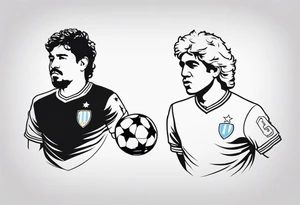
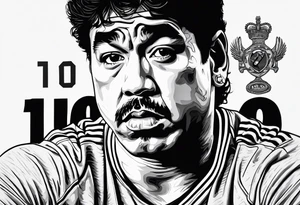
Most Maradona tattoos draw on well-known photographs from his playing years, especially the 1986 World Cup he won with Argentina. Common source moments include him lifting the trophy, mid-dribble in the blue-and-white stripes, or in the sky blue of Napoli, the club where he became a cult figure. His face is instantly recognisable, so portrait-style pieces are popular. Some designs also reference the numbers he wore or slogans tied to his legacy. In Naples, murals and shrine-like displays have long treated him almost as a folk saint, and tattoos sometimes borrow that devotional visual language. Knowing which chapter of his career a reference belongs to helps you and your artist choose an image that says what you intend.

Rendering Styles and What to Consider First

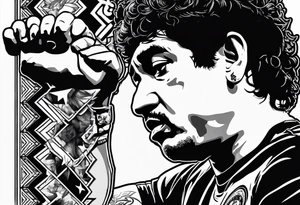
Realistic black-and-grey portraits are the most common approach because they capture his features, but they demand an artist experienced in portraiture, since a slightly-off likeness reads as a stranger. Colour work suits the club and national kits, while fine-line or illustrative styles fit smaller, subtler placements. Before committing, decide whether you want a faithful portrait or a symbolic nod, and size accordingly: detailed faces need room on the calf, thigh, or chest to age well. Portraits also blur over years, so factor in touch-ups. Finally, consider the public nature of the figure. A visible Maradona piece invites conversation, and opinions about him remain divided, so choose it because it means something to you rather than to please others.

Maradona tattoos — common questions

Why do so many people in Naples get Maradona tattoos?

Maradona led Napoli to its only two league titles in the late 1980s, transforming a club from Italy's south that was often looked down on. He became a local hero and near-religious figure, and that devotion endures. Many fans wear his image as an expression of civic pride and gratitude to a player who put their city on top.

Is a Maradona tattoo disrespectful given his controversies?

It depends on your intent and audience. Maradona's life included addiction and public controversy alongside his genius, and some people admire him precisely as a flawed, human figure. A tattoo is not automatically disrespectful, but be aware opinions vary widely. Choose it for personal meaning rather than assuming everyone shares your view of him.

What's the best placement for a Maradona portrait?

For realistic portraits, larger flat areas like the calf, thigh, chest, or upper arm work best because they give the artist room to capture his likeness and allow the piece to age without losing detail. Smaller or curved spots suit simplified or symbolic designs rather than full facial portraits.