Otters Tattoo Ideas — 40+ designs

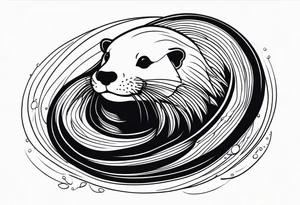
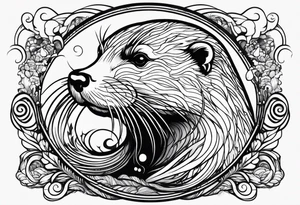
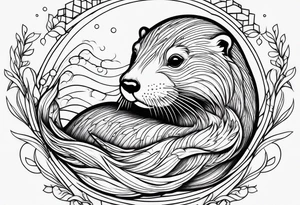
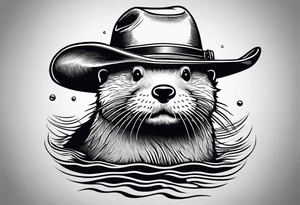
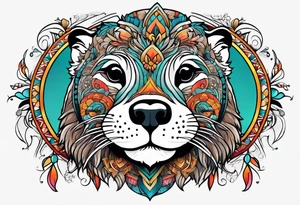
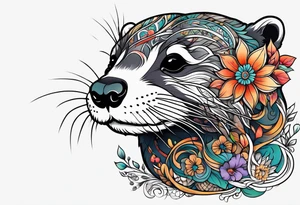
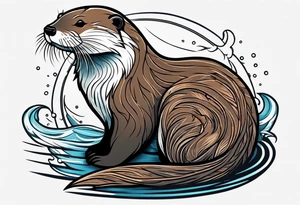
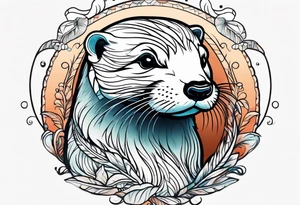
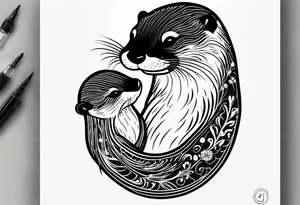
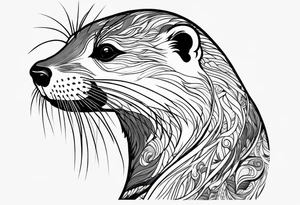
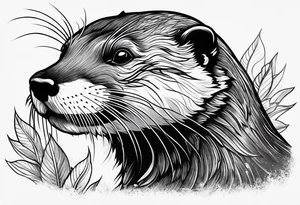
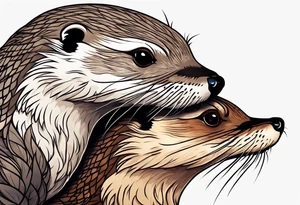
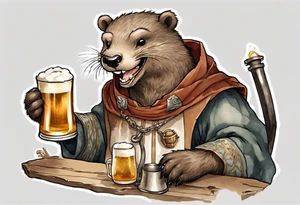
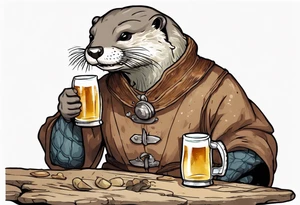
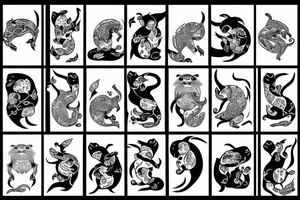
Otter tattoos often symbolize playfulness, joy, and a carefree nature. They can also represent adaptability and resourcefulness, as otters are known for their ability to navigate different environments and find creative solutions to problems. Additionally, otters are often associated with strong family ties and companionship, as they are social animals that form close-knit groups. Otters are also seen as symbols of balance and harmony, as they are frequently depicted floating on their backs, at ease in the water. A good placement for an otter tattoo could be on the forearm, representing a playful and free-spirited nature, or on the chest, symbolizing deep family connections and love. Below you will find a collection of otters tattoo design ideas for you to browse and get inspired by.

Join 9,635 happy customers.

Cultural Roots of the Otter Symbol

The otter carries meaning across several traditions. In many Native American cultures of the Pacific Northwest, the otter appears as a helpful, trusting figure tied to loyalty and family, though specific meanings vary from nation to nation and should not be flattened into one story. In Celtic lore, otters were sometimes called 'water dogs' and associated with helpfulness and the crossing between land and water. Japanese folklore treats the otter more ambiguously, occasionally as a trickster or shapeshifter. Because these associations differ so widely, it is worth deciding which tradition, if any, you want your tattoo to reference — rather than assuming a single universal meaning.

Common Styles and How Otters Are Rendered

Otters lend themselves to a range of approaches. Fine-line and single-needle work suits a small, minimalist otter curled on a wrist or ankle. Traditional and neo-traditional styles use bold outlines and saturated color, often pairing the animal with water, shells, or a favorite stone held to the chest. Watercolor pieces play on the otter's aquatic setting with soft blue and green washes. Realism and blackwork can capture fur texture and expressive eyes, while linked otters holding paws — echoing how they raft together while sleeping — are a popular design for couples or family pieces. Consider whether you want it floating, swimming, or in a portrait-style close-up.
What to Think About Before You Commit

An otter reads as light-hearted, so think about whether that tone fits the placement and the rest of your body art. Detailed fur and water effects need enough room to breathe; very small versions can lose definition over time as lines soften. If you are drawn to a specific cultural version of the otter, research it properly and, where a tradition is living and closed, be honest about whether it is yours to wear. Bring reference images to your artist and ask how the design will age. A skilled tattooer can adjust detail and size so the piece stays clear for years.

Otters tattoos — common questions

Do otter tattoos mean anything for couples?

Yes. Otters famously hold paws while sleeping so they don't drift apart, which has made linked or paw-holding otters a popular symbol for partners. The same imagery works for close friends or family, standing for loyalty and staying connected. It's an association rooted in real otter behavior rather than a specific ancient tradition.

Where does the otter's playful symbolism come from?

It reflects how otters actually behave — sliding, juggling stones, and playing in groups. Observers across cultures noticed this, so the playful, joyful meaning grew from the animal itself rather than one myth. Deeper meanings around family and adaptability also come from how otters live socially and thrive in varied habitats.

How large should an otter tattoo be?

It depends on detail. A simple line-art otter works small on a wrist or ankle. Fur texture, water, and realistic shading need more space — a forearm, calf, or upper arm — to stay sharp as the ink settles. Ask your artist how your chosen design will hold up at the size you want.