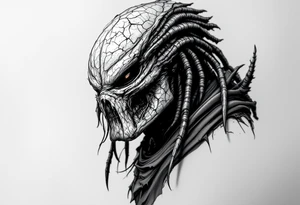
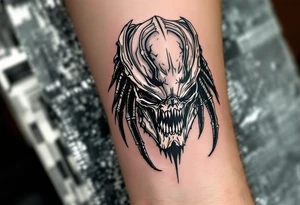
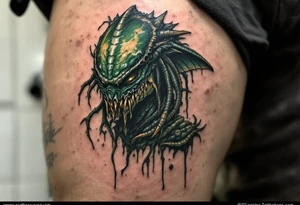
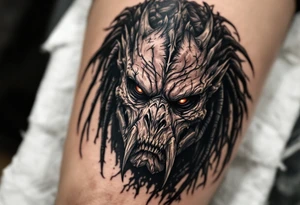
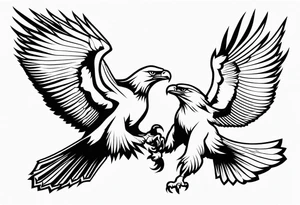
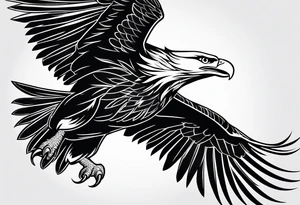
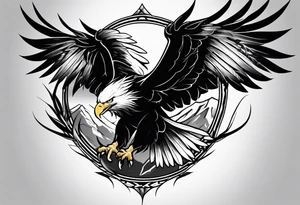
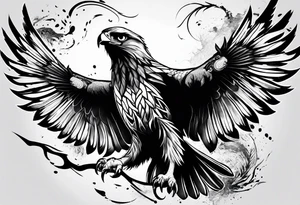
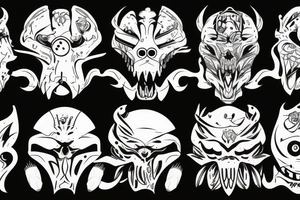
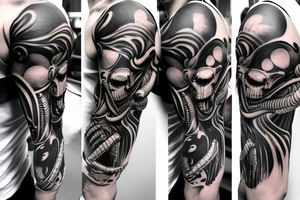
Predator Tattoo Ideas — 40+ designs

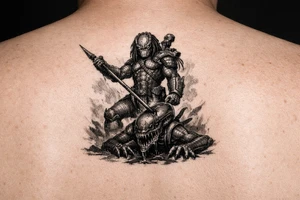
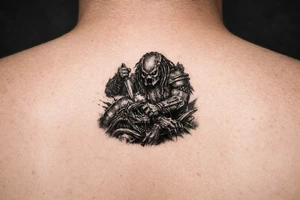
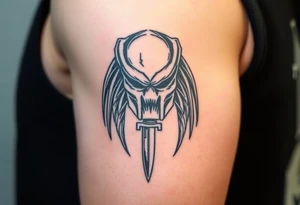
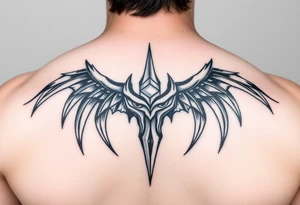
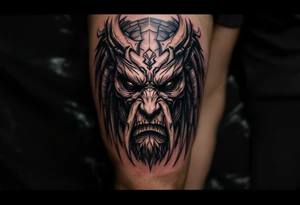
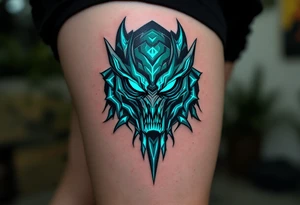
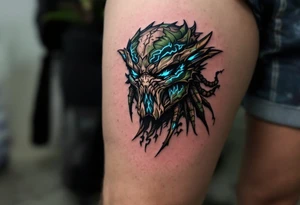
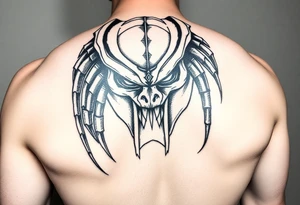
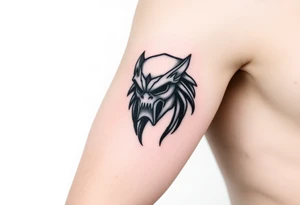
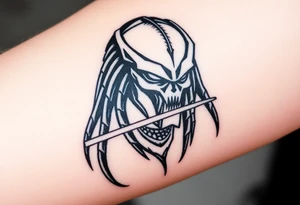
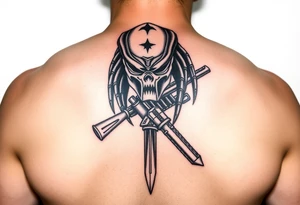
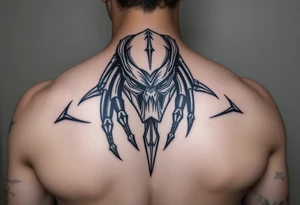
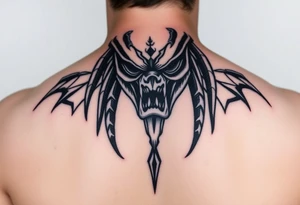
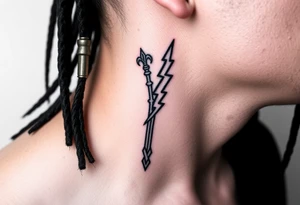
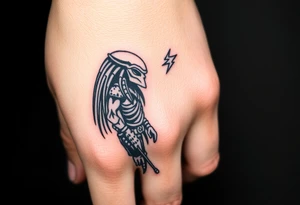
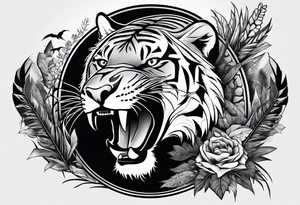
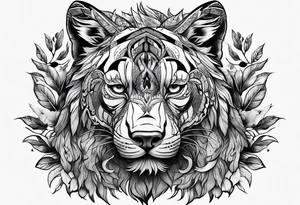
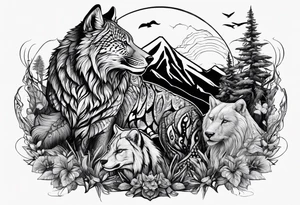
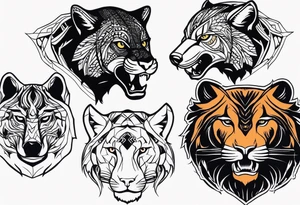
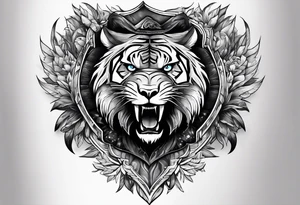
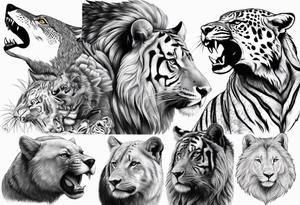
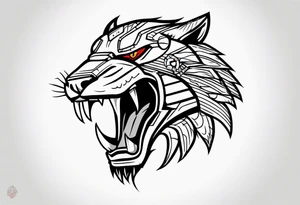
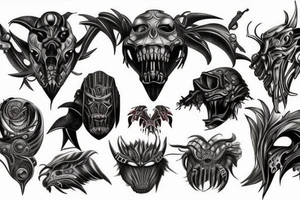
Predator tattoos generally symbolize power, strength, and aggression. They can represent the primal nature and instinctual prowess of an individual, emphasizing their ability to hunt and conquer. The tattoo can convey a fearless and dominant personality, someone who is not afraid to take charge and assert themselves. It can also signify a connection to the wild and untamed aspects of nature. Suitable placements for predator tattoos include the chest or upper arm, as these areas provide a large canvas to showcase the boldness and fierceness of the design. Below you will find a collection of predator tattoo design ideas for you to browse and get inspired by.

Join 9,635 happy customers.

What Predator Tattoos Really Represent

Beyond raw aggression, a predator tattoo often speaks to survival, patience, and disciplined focus. Predators do not waste energy; they wait, watch, and strike with precision. For many wearers, that mirrors a personal mindset of calculated ambition rather than blind force. The image can also mark a turning point, honoring a period where someone stopped being prey to circumstance and took control of their life. Depending on the animal chosen, the meaning shifts: a wolf leans toward loyalty and pack, a lion toward leadership, a shark toward relentless momentum. The same design can read as intimidation to one person and quiet self-mastery to another, which is part of its appeal.
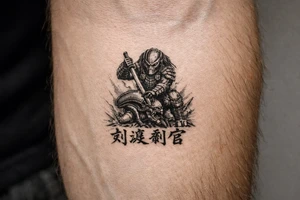
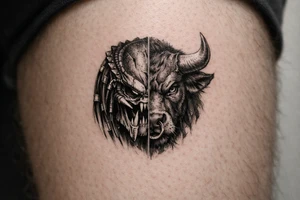
Where the Imagery Comes From

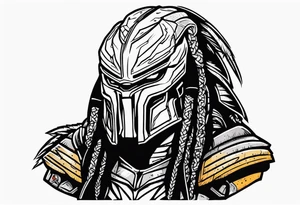
The predator as symbol runs through nearly every culture that lived alongside dangerous animals. Hunters and warriors have long adopted the traits of the creatures they feared or admired, wearing pelts, teeth, and painted markings to claim their strength. Big cats, wolves, birds of prey, and sharks recur across mythology and heraldry as emblems of authority and danger. The word "predator" also carries a modern pop-culture charge from film and sci-fi, so some designs reference that fictional creature specifically rather than a natural animal. If a particular tradition matters to you, be clear about which lineage you are drawing on, since meanings vary widely between them.
How Predator Tattoos Are Usually Rendered

Predator designs tend to favor high contrast and motion. Common styles include hyper-detailed black-and-grey realism for a lifelike animal, bold neo-traditional with heavy outlines and stylized snarls, and geometric or blackwork treatments that abstract the form into shapes. Eyes and teeth usually carry the focal energy, so artists often build the composition around a direct, unblinking gaze. Larger canvases like the chest, back, thigh, or full sleeve suit the drama of a prowling or lunging pose, while a single head or eye can work smaller. Bring reference images and let the artist advise on scale, since fine detail shrinks and blurs over time on small pieces.

Predator tattoos — common questions

Does a predator tattoo always mean aggression?

No. While it can signal dominance, many people read it as focus, patience, survival, or self-reliance. The specific animal shapes the tone, and placement and expression matter too. A calm, watchful predator reads very differently from a snarling, attacking one, so choose imagery that fits the message you intend.

Which animal should I choose for a predator tattoo?

Pick the one whose traits resonate with you. Wolves suggest loyalty and instinct, lions leadership, tigers solitary strength, eagles vision, and sharks relentless drive. There is no fixed rule, so consider what you want the piece to say about you rather than which looks most fearsome.

How much space do I need for one?

It depends on the style. Detailed realism needs a larger area like the chest, back, or thigh so features stay crisp as the tattoo ages. Simpler stylized or single-eye designs can fit smaller placements. Discuss scale with your artist before committing to avoid detail blurring over time.