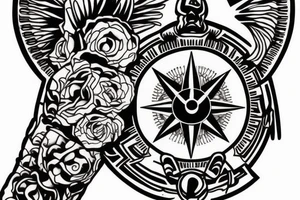
Purepecha Tattoo Ideas — 35 designs

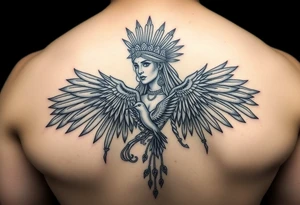
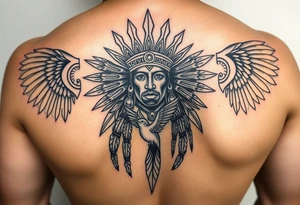
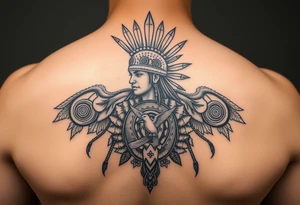
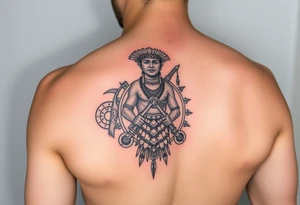
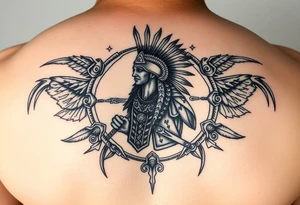
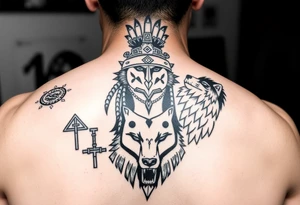
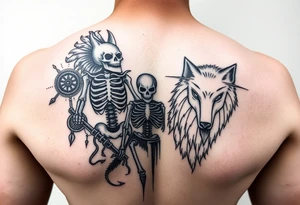
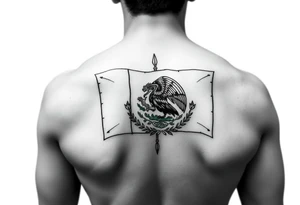
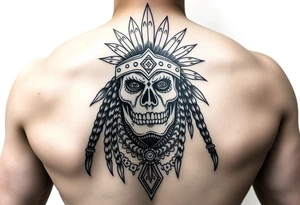
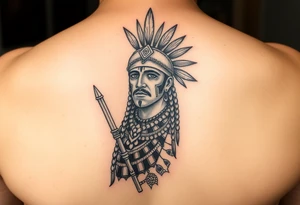
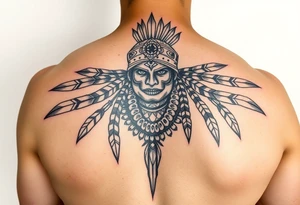
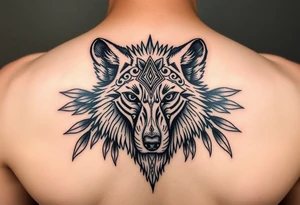
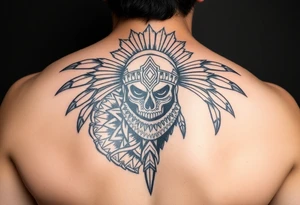
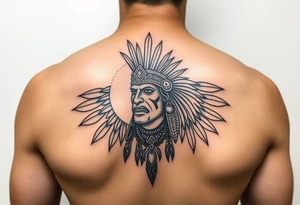
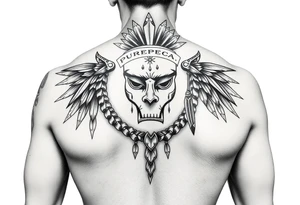
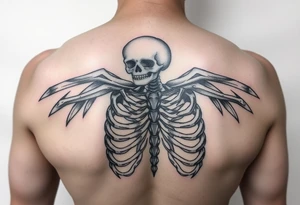
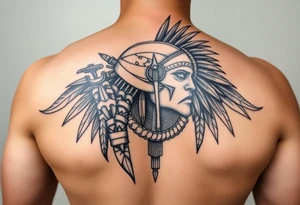
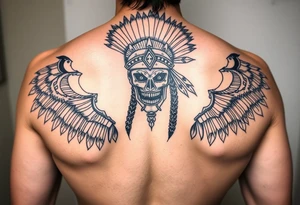
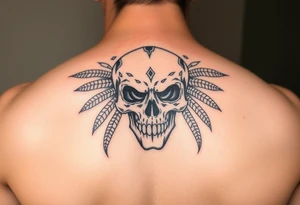
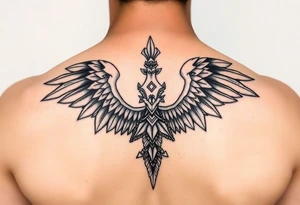
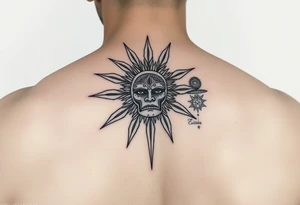
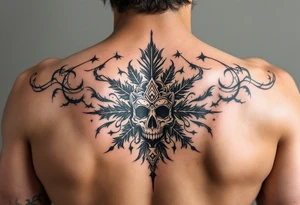
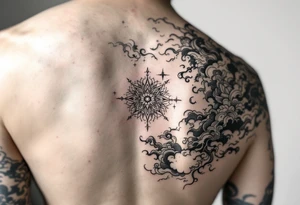
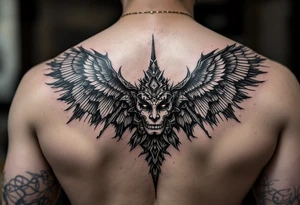
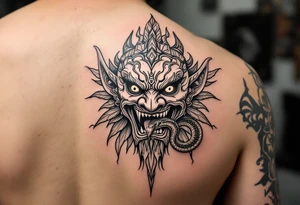
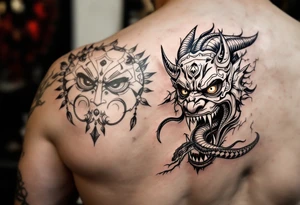
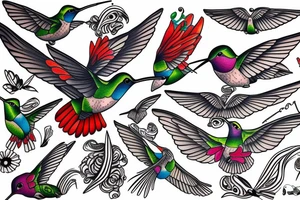
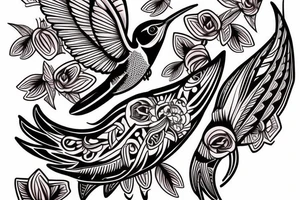
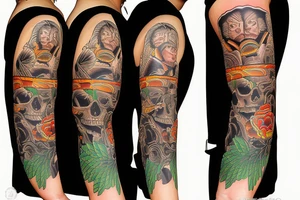
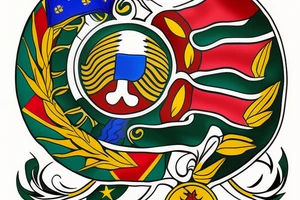
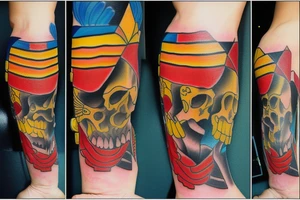
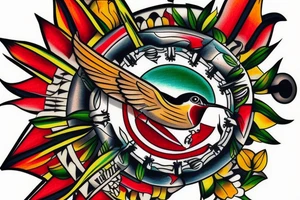
Purepecha tattoos symbolize the rich cultural heritage of the Purepecha people, an indigenous group from the state of Michoacán in Mexico. These tattoos often feature traditional Purepecha symbols and designs, such as geometric patterns, animals, and religious motifs. Purepecha tattoos can represent a connection to one's indigenous roots, pride in one's cultural identity, and a way to honor and preserve Purepecha traditions. They can also serve as a form of personal expression and a way to showcase individuality. Suitable locations for Purepecha tattoos include the forearm or upper arm, allowing the tattoo to be easily visible and appreciated as a symbol of cultural pride. Below you will find a collection of purepecha tattoo design ideas for you to browse and get inspired by.

Join 9,635 happy customers.

What Purepecha Symbols Mean

The meaning behind a Purepecha tattoo depends heavily on the specific motif chosen. Geometric and stepped-fret patterns evoke the pottery, textiles, and architecture the culture is known for, often read as continuity and order. Animal imagery can reference the natural world of the Michoacán highlands and lake region. Because the Purepecha maintained an independent kingdom that resisted Aztec conquest, many people choose these designs to signal resilience and cultural survival rather than a single fixed symbol. Meaning is personal here: the same pattern may represent ancestry to one wearer and craft heritage to another. If a motif carries ceremonial weight, treat it with care rather than as pure decoration.
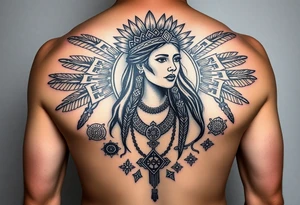
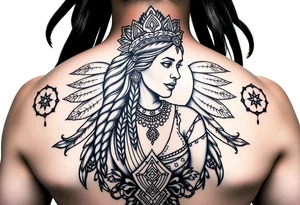
Where the Imagery Comes From

The Purepecha (also spelled P'urhepecha or Tarascan) are an Indigenous people centered on the region around Lake Pátzcuaro in Michoacán, Mexico. Their visual tradition survives in ceramics, copperwork, wood carving, embroidery, and the design of towns and lacquerware. Tattoo designs commonly borrow from these sources rather than from a formal tattoo canon, since the imagery originates in everyday craft and ceremonial art. If you want accuracy, research the exact object or pattern your design references, and be aware that meanings and forms can vary between Purepecha communities. Working from documented sources helps you avoid mixing in unrelated Mesoamerican elements by mistake.

Before You Commit

Think about your connection to the culture first. If you have Purepecha ancestry or a genuine tie to the community, these designs can be a meaningful tribute; if you don't, consider whether wearing them respects rather than borrows. Choose an artist who can reproduce fine geometric linework cleanly, since uneven lines quickly cheapen these patterns. Ask for references to the original craft object your piece is based on. Placement on the forearm or upper arm keeps intricate detail readable as the ink ages. Finally, decide whether you want a literal recreation of a traditional pattern or a modern interpretation, and tell your artist clearly.

Purepecha tattoos — common questions

Is it disrespectful to get a Purepecha tattoo if I'm not Purepecha?

It depends on intent and how you carry it. Honoring the culture with research and respect differs from treating sacred or ceremonial imagery as fashion. If you have no connection, favor craft-based patterns over anything ceremonial, and be prepared to explain your reasons. When possible, consult people from the community.

What's the difference between Purepecha and Tarascan?

They refer to the same Indigenous people of Michoacán. "Tarascan" is the name imposed by Spanish colonizers, while "Purepecha" (or P'urhepecha) is the people's own term. Many prefer Purepecha today for that reason. Using the community's own name is the more respectful choice for a tattoo tied to identity.

What designs work best for a Purepecha tattoo?

Geometric and stepped-fret patterns from pottery and textiles translate cleanly into tattoo linework, as do stylized animals and motifs from lacquerware and copperwork. Blackwork suits the sharp geometry, while color can echo traditional lacquer palettes. Pick a design you can trace to a real cultural source rather than a generic composite.