Saxon Tattoo Ideas — 10 designs

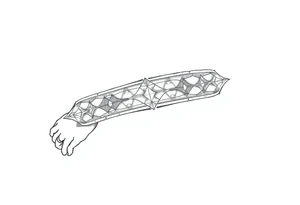
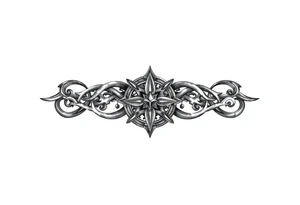
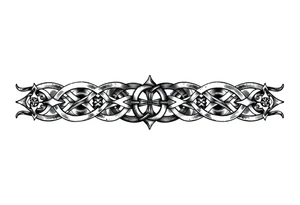
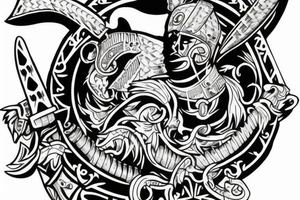
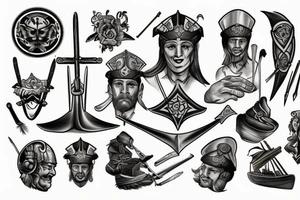
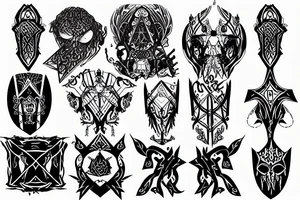
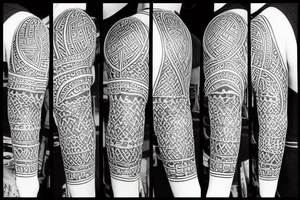
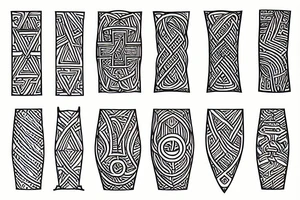
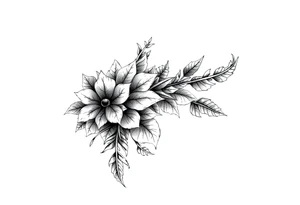
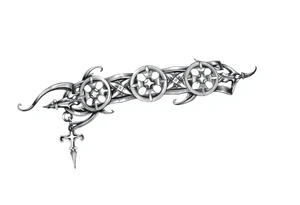
Saxon tattoos can have multiple meanings depending on the context. Generally, they can symbolize pride in one's Anglo-Saxon heritage and culture, representing a connection to the historical roots of the Anglo-Saxon people. Saxon tattoos can also be related to warrior symbolism, representing strength, bravery, and a fierce spirit. Additionally, they can be a form of solidarity and identification with the heavy metal band Saxon and their music, showcasing a love for rock and metal. Ideal places for a Saxon tattoo might include the upper arm or shoulder, representing strength and warrior symbolism, or the chest, symbolizing pride and heritage. Below you will find a collection of saxon tattoo design ideas for you to browse and get inspired by.

Join 9,635 happy customers.

Symbols and Motifs Behind Saxon Tattoos

Most Saxon-themed tattoos draw on early medieval Germanic imagery associated with the peoples who settled in Britain. Common motifs include the seax, a single-edged knife from which the Saxons may take their name, along with round shields, spears, ravens, and interlaced knotwork. Some designs incorporate runic lettering from the Elder or Anglo-Saxon futhorc, though runes carry their own meanings and are not exclusively Saxon. A carved dragon or serpent, echoing metalwork found at sites like Sutton Hoo, is also popular. Each element leans toward the same core ideas: kinship, martial courage, and a link to ancestral land and lineage.
Where the Imagery Comes From

The Saxons were one of several Germanic groups who migrated to Britain from roughly the 5th century onward, merging with Angles and Jutes into what we now call the Anglo-Saxons. Much of the visual vocabulary used in these tattoos comes from surviving artefacts: weaponry, brooches, belt fittings, and illuminated manuscripts. Because little colour survives from the period, artists often reconstruct designs from museum finds and known art styles such as animal-interlace ornament. It is worth knowing that some Anglo-Saxon and runic symbols have been co-opted by extremist groups. That association is a distortion of the history, but it is real, so context matters.

Before You Commit to a Saxon Tattoo

Decide whether you want a historically grounded piece or a stylised modern interpretation, as the two look quite different. Bring reference images from reputable sources so your artist can render knotwork and runic detail accurately; fine interlace can blur over time and may need a larger placement to stay legible. If you are combining runes with imagery, research each rune rather than choosing by looks alone. Given that certain symbols have been misappropriated, consider how the design reads to others, especially if you plan a visible location. A good artist can help you balance authenticity, longevity, and clarity of meaning.

Saxon tattoos — common questions

What does a seax knife tattoo symbolise?

The seax is a single-edged blade strongly linked to the Saxons, possibly the source of their name. As a tattoo it signals warrior identity, self-reliance, and heritage. It is one of the most direct visual shorthands for Saxon culture, often paired with shields, runes, or knotwork to reinforce that ancestral, martial theme.

Are Saxon and Viking tattoos the same thing?

No, though they overlap. Both draw on Germanic and Norse-influenced art, and both feature knotwork, ravens, and weaponry. Saxon imagery relates to the Anglo-Saxon settlement of Britain, while Viking imagery relates to Scandinavian raiders and settlers. Motifs and runes differ between traditions, so clarify which culture you want to represent.

Can Saxon symbols be misinterpreted?

Some runes and Germanic symbols have been appropriated by extremist movements, which can distort how a tattoo is read. The historical meanings are not hateful, but the associations exist. Choosing recognisably cultural motifs, avoiding loaded combinations, and being ready to explain your design's meaning all help keep the intent clear.