Sniper Tattoo Ideas — 40+ designs

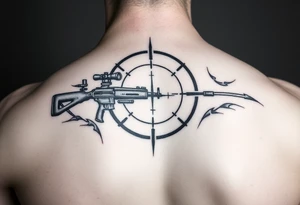
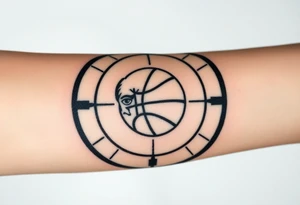
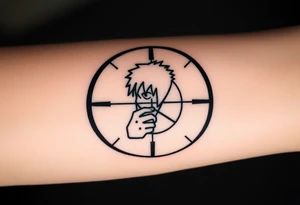
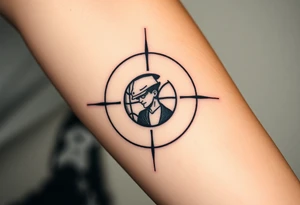
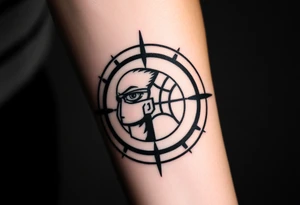
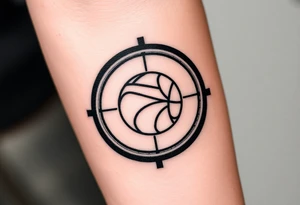
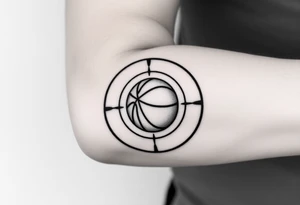
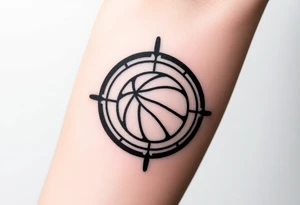
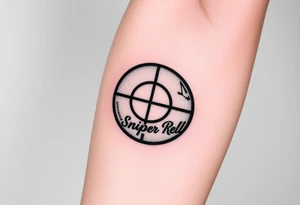
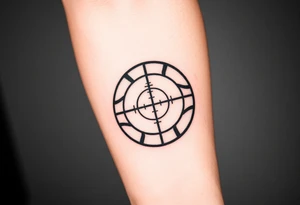
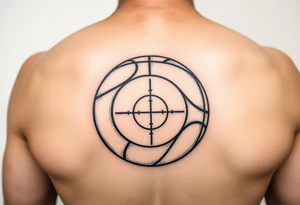
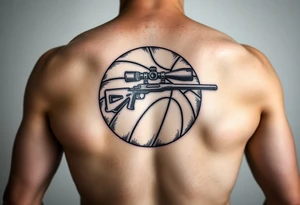
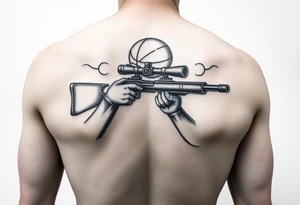
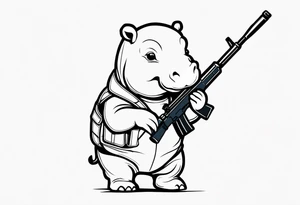
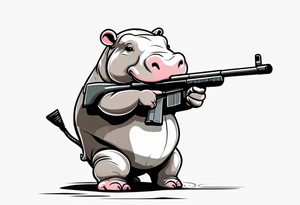
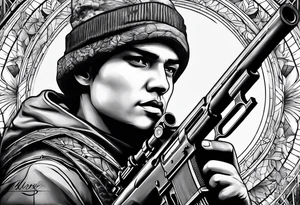
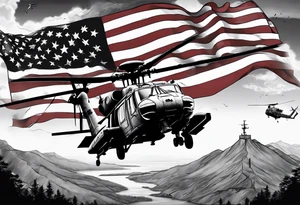
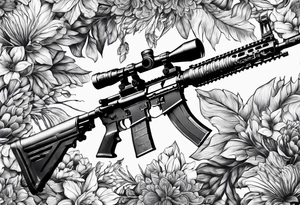
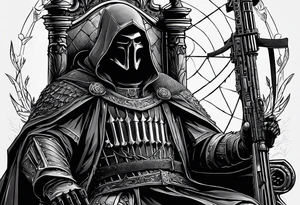
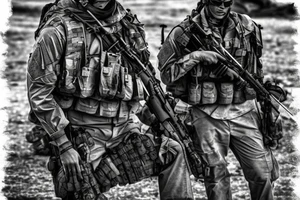
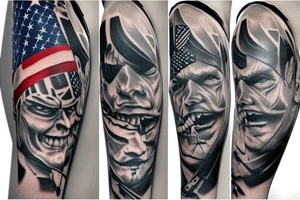
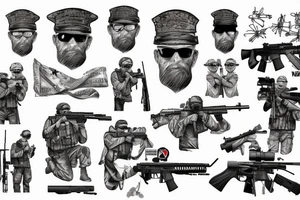
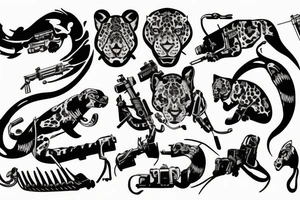
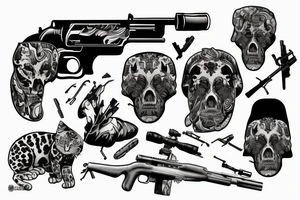
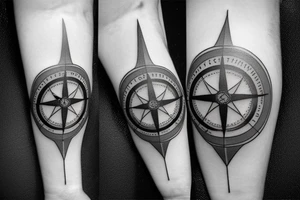
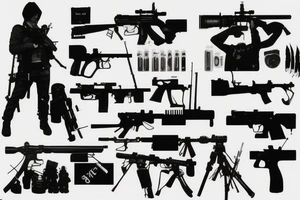
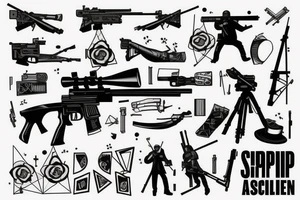
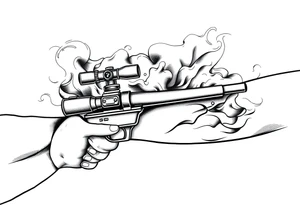
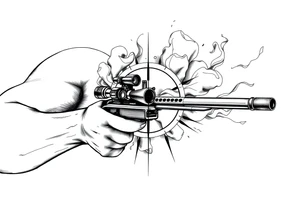
Sniper tattoos commonly symbolize precision, accuracy, and focus. They can also represent warfare, military service, and bravery. Sniper tattoos may be chosen to honor a loved one who served as a sniper or to express personal qualities such as patience and discipline. Another interpretation of a sniper tattoo is vigilance and protection, as snipers are often tasked with safeguarding others. Recommended placements for sniper tattoos are the upper arm or forearm, reflecting strength and determination, or the back, symbolizing protection and watchfulness. Below you will find a collection of sniper tattoo design ideas for you to browse and get inspired by.

Join 9,635 happy customers.

Deeper Meanings Behind the Sniper Tattoo

Beyond precision and service, a sniper tattoo often carries a quieter message: the value of waiting for the right moment. The sniper's craft is built on stillness, restraint, and controlled decisions under pressure, so the design can stand for self-mastery as much as combat. For some, it marks a specific memory — a deployment, a role held, or a person lost. For others, it is a personal creed about staying calm when everything around them is not. The meaning shifts sharply depending on the wearer, so the same image can read as tribute, warning, or philosophy. That ambiguity is part of why the symbol resonates.
Where the Imagery Comes From

The sniper motif draws almost entirely from modern military culture rather than ancient symbolism. Its visual language — scopes, crosshairs, ghillie suits, spent shell casings — took shape as long-range marksmanship became a defined battlefield role in the 19th and 20th centuries. Because of this, sniper tattoos tend to appear within veteran and shooting communities, where they can reference unit identity, a specific weapon platform, or a rifle a person actually carried. Some designs incorporate mottos or reticle patterns tied to particular traditions. If you are honoring service, it is worth confirming any insignia or unit reference is accurate, since these details carry real weight to those who recognize them.

Common Styles and How the Design Is Rendered

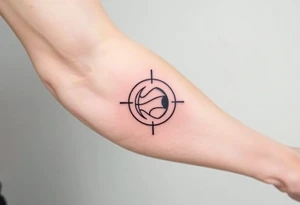
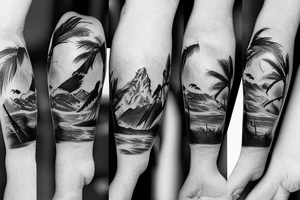
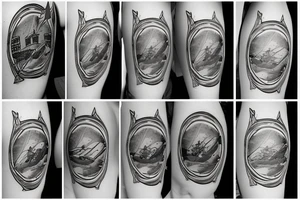
Sniper tattoos range from stark realism to clean line work. Realistic renderings favor a scoped rifle, a silhouetted shooter in a ghillie suit, or a detailed weapon portrait with heavy shading. Minimalist versions lean on a single crosshair or reticle, sometimes framing a date, name, or coordinates. Blackwork and dotwork suit the geometric precision of a scope, while a splash of color often goes to a target reticle or muzzle flash. Larger scenes work well on the back or ribs, where landscape and distance can be suggested. Smaller emblems — a crosshair or bullet — sit comfortably on the forearm, wrist, or hand for a subtler statement.
Sniper tattoos — common questions

Do you need a military background to get a sniper tattoo?

No. Many people choose it purely for its symbolism of focus, patience, and discipline. That said, if you plan to include real unit insignia, mottos, or specific weapon references, be accurate — these details are meaningful to those who served, and getting them wrong can come across as careless.
What does a crosshair or reticle symbolize on its own?

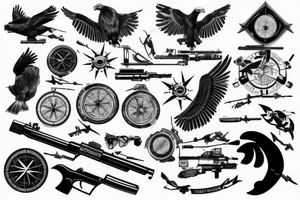
A crosshair distills the sniper concept to its core: precision, focus, and locking onto a goal. Without a rifle, it reads more abstractly and can represent ambition or determination rather than combat. Some wearers place a name or date inside it to mark exactly what they are aiming to remember or honor.
Where does a sniper tattoo look best?

It depends on the design's scale. Detailed rifle scenes suit the back, ribs, or upper arm, where there is room for distance and shading. Compact emblems like a crosshair or single bullet work on the forearm, wrist, or hand. Consider visibility, since the imagery can prompt strong reactions.