Torii Tattoo Ideas — 14 designs

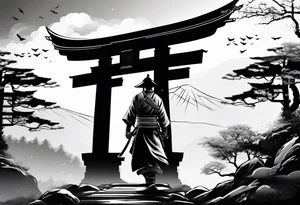
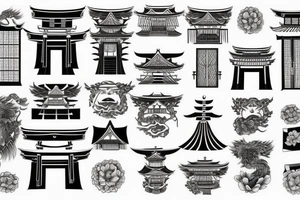
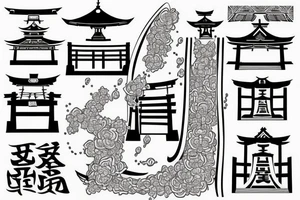
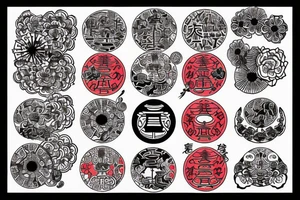
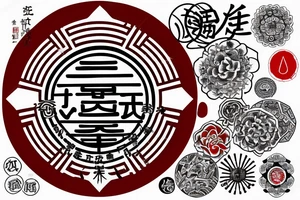
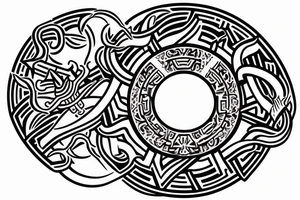
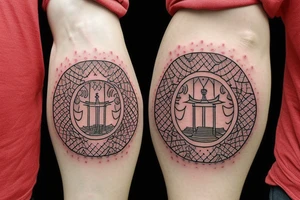
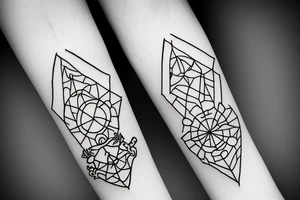
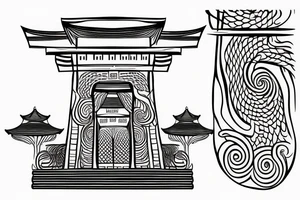
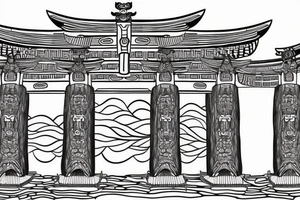
A torii tattoo represents the iconic Japanese gate commonly found in front of Shinto shrines. The torii symbolizes the boundary between the physical world and the spiritual realm, serving as a gateway for humans to communicate with the gods. It can also signify protection, spiritual guidance, and good fortune. Additionally, a torii tattoo can be a symbol of respect and appreciation for Japanese culture and traditions. Suitable places for a torii tattoo include the back, symbolizing the connection between the earthly and spiritual realms, or the arm, representing protection and guidance. Below you will find a collection of torii tattoo design ideas for you to browse and get inspired by.

Join 9,635 happy customers.

The Deeper Meaning Behind a Torii Tattoo

At its heart, a torii marks a threshold — the point where ordinary space becomes sacred. Wearing one can express that you have passed through a personal transition, honoured a threshold moment, or want a permanent reminder of a boundary you crossed and cannot uncross. Because the gate frames what lies beyond rather than blocking it, many people read it as an invitation into something greater: growth, reverence, or a spiritual path. Its meaning stays fairly consistent across interpretations, though the emphasis shifts. Some choose it for protection and good fortune, others for the quieter idea of passage — leaving one state of being and stepping consciously into another.
Origins in Shinto Tradition

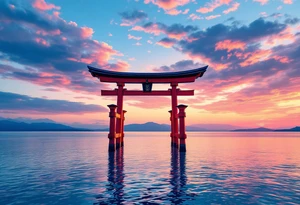
The torii belongs to Shinto, Japan's indigenous religion, where it stands at the entrance to shrines and sacred sites to mark the divide between the mundane and the divine. Passing under one is a gesture of respect toward the kami, the spirits or gods honoured within. Famous examples, such as the vermilion gates lining paths at Fushimi Inari and the gate that appears to float on the water at Itsukushima, have made the shape recognisable worldwide. Colours carry meaning too: the bright vermilion often used is traditionally associated with warding off evil, while plainer wood or stone gates reflect a more understated setting. Treat the symbol with the reverence its religious roots deserve.

Common Styles and Placement Choices

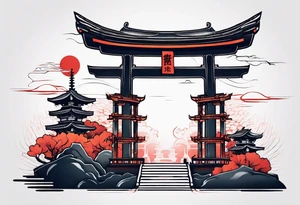
Torii designs range widely. Traditional Japanese irezumi renders the gate boldly, often paired with cherry blossoms, koi, waves, Mount Fuji, or a rising sun to build a full scene. Fine-line and blackwork versions strip it back to the clean silhouette, working well small on a wrist, forearm, or behind the ear. Watercolour and landscape styles set the gate against a sunset or shoreline for a more atmospheric feel. Placement can reinforce the theme: vertical pieces suit the spine, forearm, or calf, following the gate's upright form, while a wide scenic composition sits comfortably across the back or ribs. Discuss scale early — fine detail in the crossbeams needs room to age well.

Torii tattoos — common questions

Is it disrespectful to get a torii tattoo if I'm not Shinto?

It can be respectful when approached thoughtfully. The torii is a sacred religious symbol, so learn what it means and avoid using it purely decoratively or combining it with unrelated imagery carelessly. Many people wear one to honour Japanese culture or a personal journey. Working with an artist familiar with Japanese motifs helps keep it authentic.

What colour should a torii tattoo be?

Both work. Vermilion or bright orange-red reflects the classic shrine gates and is traditionally linked to protection against evil. Black or wood-toned versions echo the plainer stone and timber gates found at quieter sites. Choose based on the meaning and style you want — vibrant and traditional, or minimal and understated.

What pairs well with a torii in a larger design?

Cherry blossoms, koi, waves, Mount Fuji, and a rising sun are common companions in Japanese-style pieces and each carry their own symbolism. For landscape or scenic tattoos, water reflections and sunsets suit the floating-gate imagery. Keep additions coherent with the torii's spiritual theme rather than mixing unrelated styles.