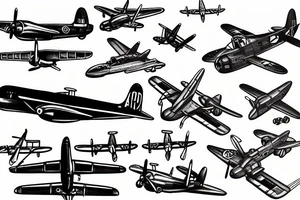
Ww2 Tattoo Ideas — 23 designs

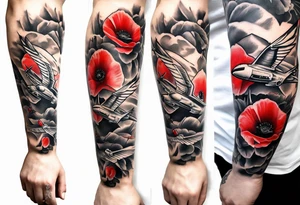
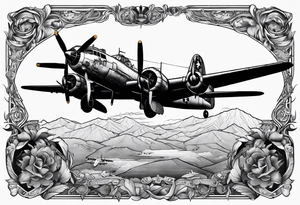
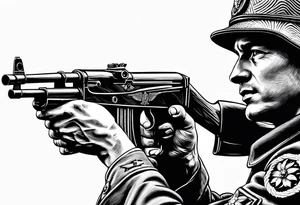
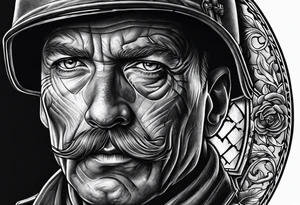
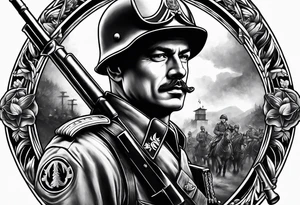
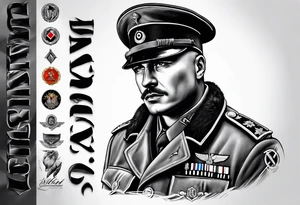
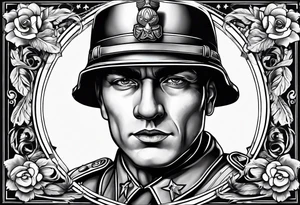
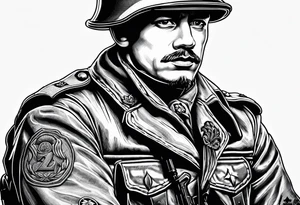
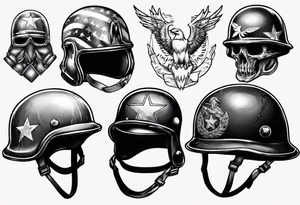
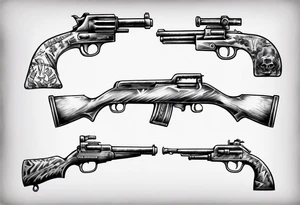
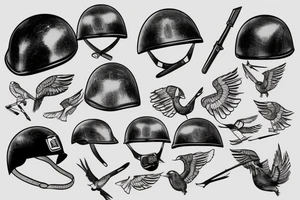
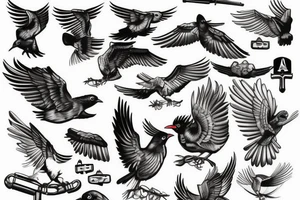
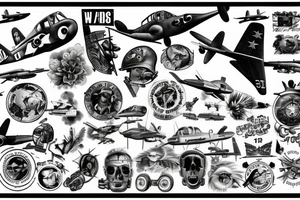
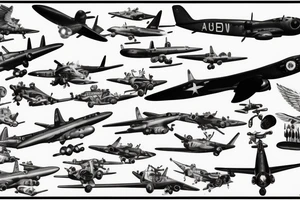
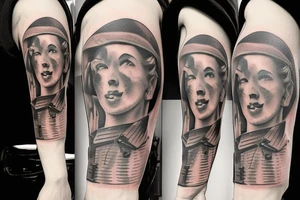
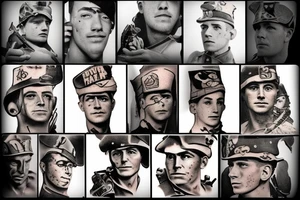
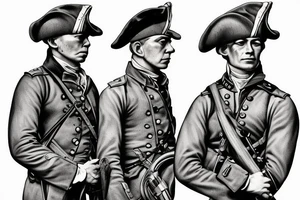
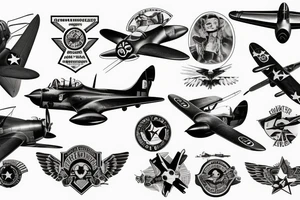
WW2 tattoos, or tattoos related to World War II, are often used to commemorate and honor the bravery and sacrifices made by military personnel during the war. They can symbolize courage, patriotism, and a sense of duty. Some may choose to get tattoos representing specific military units or divisions, while others may opt for iconic images associated with the war, such as the American or British flag, a soldier's helmet, or a warplane. Additionally, these tattoos can serve as a reminder of the importance of history and the lessons learned from past conflicts. Suitable locations for WW2 tattoos may include the upper arm or shoulder, as these areas allow for larger designs and provide a noticeable spot to display the tattoo. Below you will find a collection of ww2 tattoo design ideas for you to browse and get inspired by.

Join 9,635 happy customers.

Symbolism Beyond Patriotism

A WW2 tattoo often carries layered meaning. For many it is personal remembrance — honoring a grandfather, great-grandfather, or relative who served or died. It can mark survival, whether of combat, the Blitz, occupation, or the camps. For veterans and their descendants, the imagery speaks to brotherhood, loss, and the weight of what a generation endured. Others read it as a warning: a reminder of the human cost of fascism and total war, worn so those lessons are not forgotten. Because the war touched dozens of nations differently, the same emblem can mean grief in one family and defiance in another. The meaning you assign matters as much as the image itself.
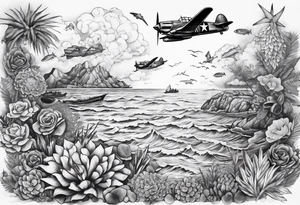
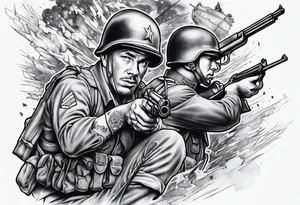
Common Imagery and How It's Rendered

Popular choices include dog tags, aircraft such as the Spitfire, Mustang, or B-17, the poppy, dates like 1939–1945, and portraits copied from a family photograph. Memorial pieces frequently pair a soldier's silhouette with a name, rank, or unit insignia. Styles range from fine-line and realism for photo portraits to bold traditional 'sailor Jerry' work echoing period tattoo culture. Black-and-grey suits somber remembrance, while color brings flags and squadron markings to life. Larger scenes — a beach landing, a fighter formation, a fallen-soldier boot-rifle-helmet tribute — need room, which is why arms, shoulders, and backs are common canvases for detailed narrative designs.

What to Consider Before You Commit

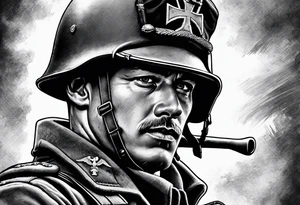
Research your imagery carefully. Some WW2 symbols — particularly German military insignia — are tied to the Nazi regime and are deeply offensive, banned in some countries, and misread almost everywhere. If you want to honor a relative, a name, date, unit crest, or their actual medals reads clearly and respectfully. Verify the accuracy of any insignia, aircraft, or uniform detail so a tribute doesn't contain errors that undercut it. Bring genuine reference material, especially for portraits. Choose an artist experienced in realism or lettering depending on your design, and think about placement early — memorial pieces benefit from spots you can revisit and reflect on.

Ww2 tattoos — common questions

Are any WW2 tattoo symbols offensive?

Yes. Nazi insignia such as the swastika, SS runes, and eagle-and-swastika are hate symbols, banned in several countries, and widely condemned. Even worn without intent, they are read as endorsement. Allied, memorial, and remembrance imagery like poppies, dog tags, and dates carry no such baggage and communicate honor clearly.

How can I make a WW2 tattoo personal to my family?

Use specifics: your relative's name, service dates, rank, or the badge of their actual regiment, squadron, or ship. A portrait from a real photograph, their medals, or a meaningful location can anchor the piece. Bring documents or photos to your artist so the details are accurate rather than generic.

What size and placement work best?

Detailed scenes, portraits, and multi-element tributes need space, so upper arms, shoulders, backs, and thighs suit them well. Smaller emblems like poppies, dates, or dog tags fit forearms or the chest. Choose an area you can comfortably display or revisit, since these tattoos are often meant for reflection.