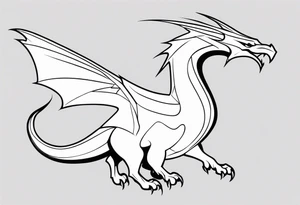
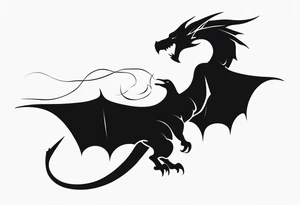
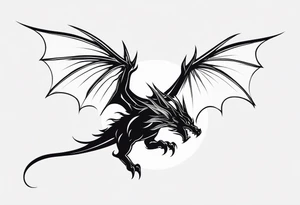
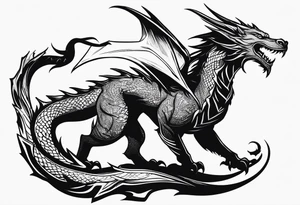
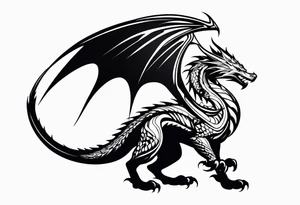
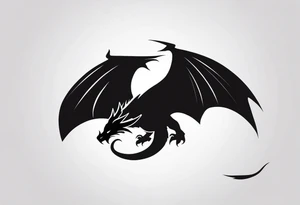
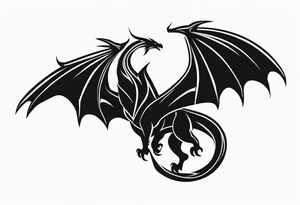
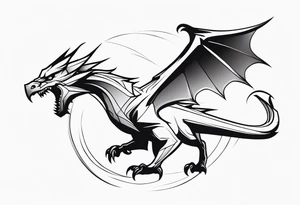
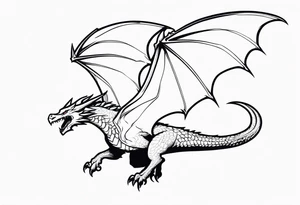
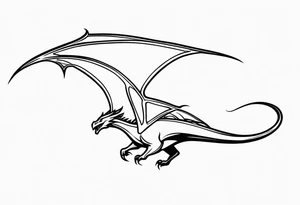
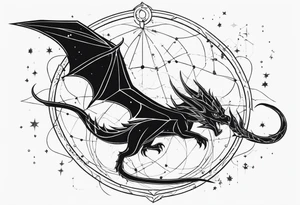
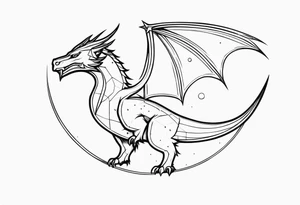
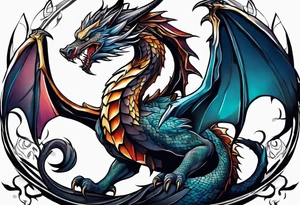
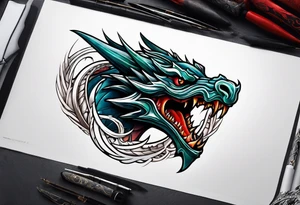
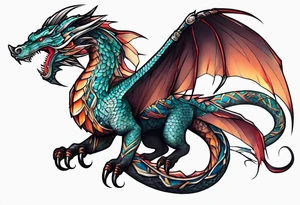
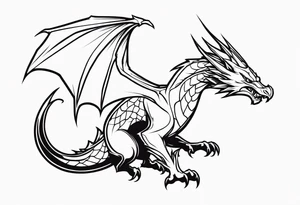
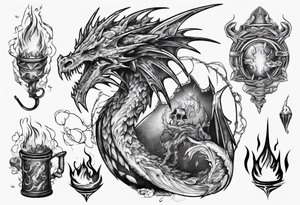
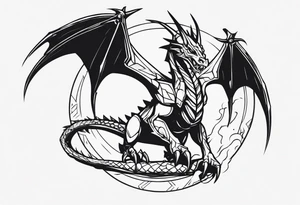
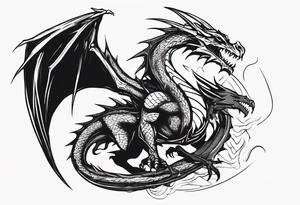
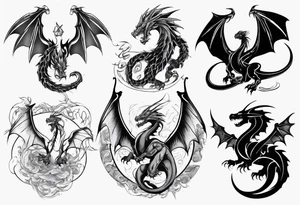
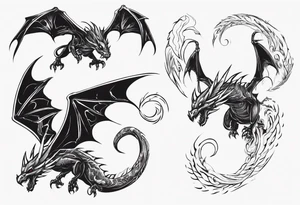
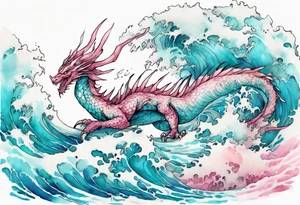
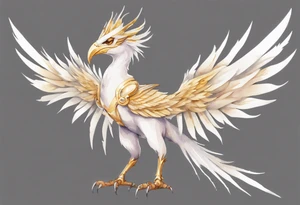
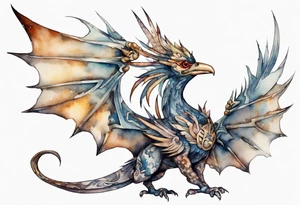
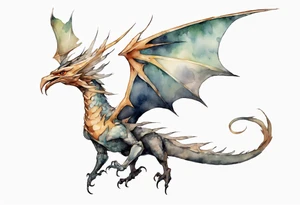
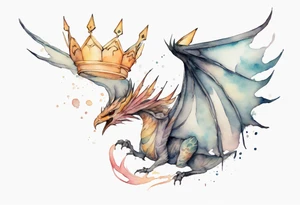
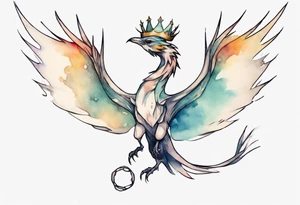
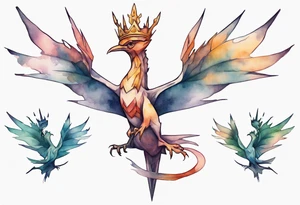
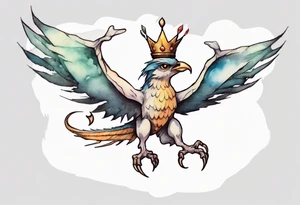
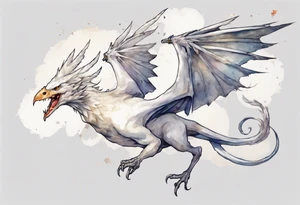
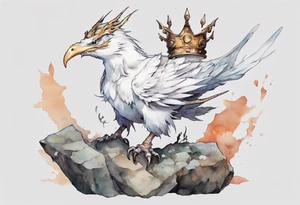
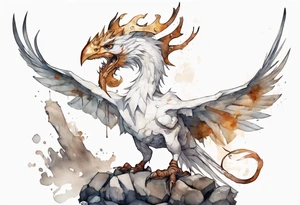
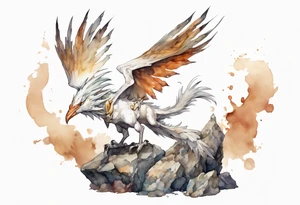
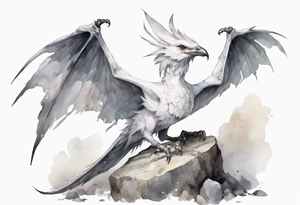
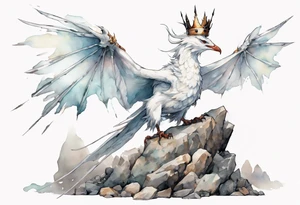
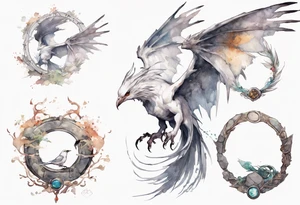
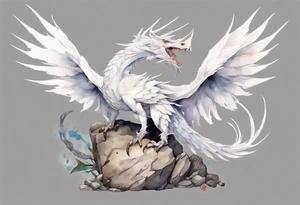
Wyvern tattoos typically symbolize power, strength, and protection. In mythology, the wyvern is a legendary creature resembling a dragon with two legs and wings. It can be seen as a guardian or a representation of ferocity and dominance. Additionally, the wyvern is often associated with the elements of air and fire, embodying its connection to the forces of nature. As a tattoo, the wyvern could be placed on the upper arm or shoulder, emphasizing the idea of protection and strength, or on the back, showcasing its mythical and majestic qualities. Below you will find a collection of wyvern tattoo design ideas for you to browse and get inspired by.

Join 9,635 happy customers.
Beyond raw power, the wyvern carries a layer of meaning tied to its two-legged form. Unlike a four-legged dragon, it stands closer to the ground, which some read as a symbol of readiness — a creature that guards a threshold rather than rules from above. In heraldry it often signals vigilance and defence, a warning to those who approach. Many wearers choose it to mark a period of overcoming hardship, treating the wyvern as a personal sentinel. Others lean into its aggressive, predatory nature, using it to represent unapologetic ambition or a refusal to be controlled. Because it blends fire and air, it can also stand for transformation and freedom held in tension with force.
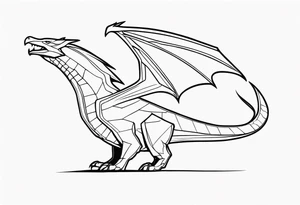
The wyvern emerged largely through European, and especially English, heraldic tradition, where it appears on coats of arms, banners, and town crests. The name traces back to older words for a serpent or viper, which is why early depictions often show a barbed, arrow-like tail. It became a distinct figure separate from the full dragon over the medieval period, defined by its two legs, wings, and often a single pair of clawed feet. Because its roots are heraldic rather than religious, the wyvern does not carry a fixed sacred meaning the way some symbols do. This gives you freedom to shape its significance, though its Welsh and Wessex associations mean it can also read as a nod to regional or ancestral heritage.
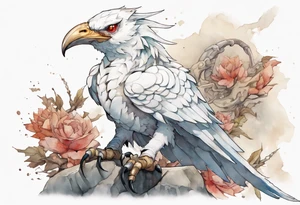
Wyverns suit large, flowing placements because their wings and tail create natural movement. Back pieces, full sleeves, thighs, and the outer shoulder give the design room to wrap and stretch. Blackwork and fine-line styles emphasise the scales, wing membranes, and skeletal structure, while neo-traditional and Japanese-influenced approaches add bold colour and stylised flame. A coiled or perched pose fits tighter spaces, whereas an outstretched, mid-flight rendering demands scale. Think about how the tail resolves — its barbed point can be extended along a limb for a dynamic finish. Discuss the level of detail with your artist, since intricate scalework can blur over time and may need heavier lines to stay crisp.
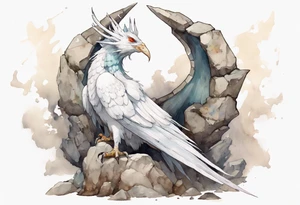
A wyvern has two legs and a pair of wings, while a classic dragon usually has four legs plus wings. The wyvern also tends to feature a barbed, serpent-like tail. Choosing a wyvern signals a more heraldic, European influence, whereas dragons draw on broader mythologies including Eastern traditions.
Not inherently. In heraldry it symbolised strength, vigilance, and protection. Its fierce, predatory look can read as aggression, but that is usually intentional rather than a warning. Meaning depends on how you pose and style it, so your interpretation and personal reasons carry the most weight.
Larger areas work best because the wings and tail need room to flow. The back, chest, thigh, and full or half sleeves are popular. Smaller, coiled versions can fit the forearm or shoulder. Consider how the design wraps around the body before committing to a placement.