TattoosAI
You've saved your favorite photo of your dog. Their ears are crooked, their head is tilted, and the expression is unmistakably theirs. You know you want a tattoo of that memory, but you're not sure whether those soft whiskers and tiny highlights will still read clearly after years on skin.
That's the difference between choosing a beautiful picture and planning a good tattoo. The right design needs to capture your pet without depending on details that disappear when the image gets smaller. It also needs to suit the body area you choose and the way you want to encounter the memory, privately or throughout your day.
Grief doesn't make that decision simple. A survey of companion-animal owners who had experienced euthanasia found that 74.7% mourned privately, according to a companion-animal bereavement paper in Human-Animal Interactions. A tattoo can be a personal remembrance, but it isn't a treatment for grief or something you need to rush.
The pet memory tattoo ideas below range from actual paw prints and realistic portraits to coat-pattern constellations and flowers. Judge each through reference quality, placement, and longevity. You don't need the most elaborate design. You need enough identifying detail to recognize your companion, enough space for the tattooist to work, and a memory you want to carry.
Table of Contents
- 1. Paw Print Tattoo
- 2. Realistic Pet Portrait
- 3. Pet Silhouette
- 4. Name and Dates Script
- 5. Nose Print Tattoo
- 6. Heartbeat Line with Paw
- 7. Coat Pattern Constellation
- 8. Memorial Flower Motif
- How the 8 pet memory tattoo ideas compare
- Turning Your Pet Memory Tattoo Idea Into a Design Your Artist Can Use
1. Paw Print Tattoo
A paw print works best when it belongs to your pet, not a stock illustration. An uneven toe pad or slightly lopsided impression can make a simple tattoo feel specific without adding a name, wings, or a decorative frame.
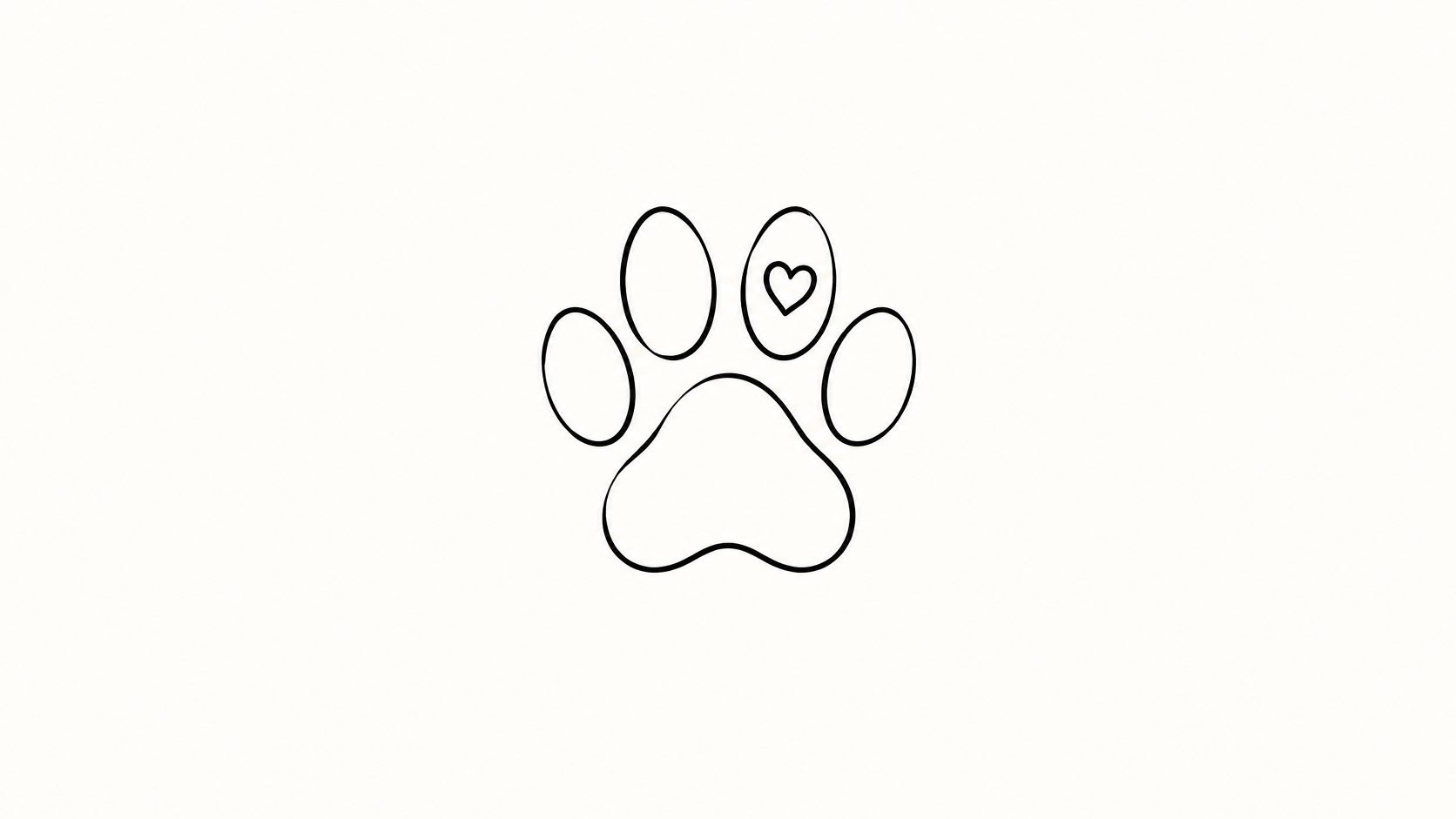
For a compact memorial, consider a black paw print on the inner forearm, just above the wrist crease. That gives the artist room to separate the pads while keeping the design easy for you to see. Initials can sit beneath it, provided they don't compete with the paw.
Preserve the shape, not every smudge
Bring a scan or straight-on photograph of the original impression against white paper. Keep an untouched copy alongside any cleaned-up version so the artist can distinguish the actual pad shapes from ink smears.
- Reference tip: Photograph the print flat, without shadows or perspective distortion. If you only have a photograph of the paw itself, explain that you want an interpretation rather than an exact impression.
- Placement choice: Use the inner forearm for a readable print with optional lettering. Choose the upper arm if you'd rather keep it covered.
- Aging trade-off: Leave visible skin between the pads. Tiny gaps and distressed ink textures are less useful than a clear overall shape.
A practical brief might be a cat's original ink impression with its broad central pad preserved and stray marks removed. Ask the tattooist to show the design at the proposed physical size, not just enlarged on a screen.
Don't shrink the print until every pad nearly touches. Simplification usually serves a small memorial better than squeezing in more texture.
2. Realistic Pet Portrait
If the expression is what you miss most, a portrait may be worth the extra space. The tilt of an eyebrow, a pale muzzle, or an uneven ear can communicate more than a full collection of memorial symbols.
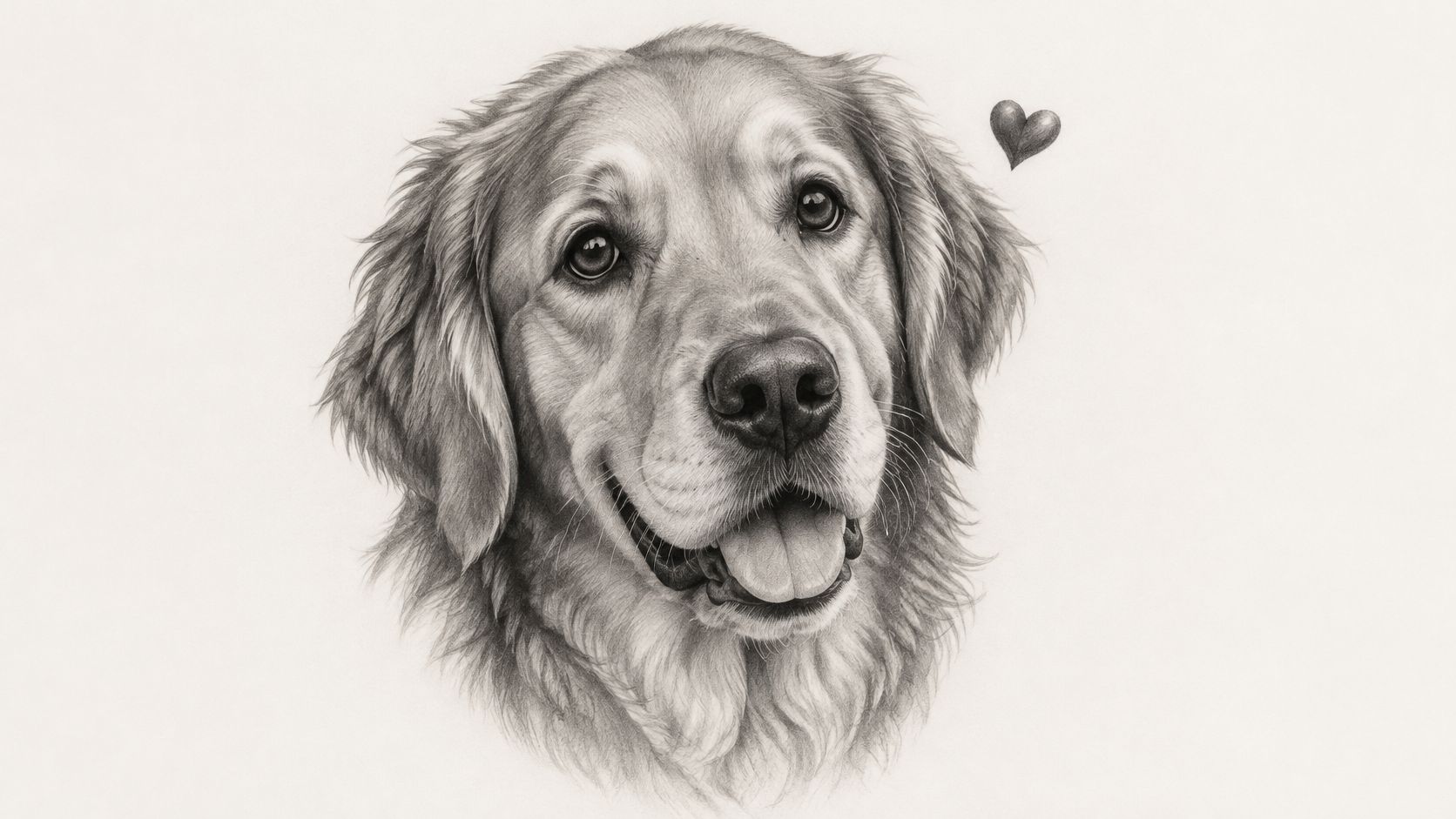
Choose a calf or outer upper arm placement for a face with meaningful shading. A dog's head on the calf gives the artist more room for the eyes, muzzle, and ear shape than a miniature wrist portrait.
Let the artist simplify the photograph
Use a sharp, evenly lit photograph taken near your pet's eye level. Avoid wide-angle close-ups that enlarge the nose unless that distortion is part of the expression you deliberately want.
A review of tattoo pigment persistence describes how pigment remains in the dermis and why gradual edge diffusion matters when planning fine detail. The practical response is strong contrast, clear shapes, and breathing room, not an attempt to tattoo every hair.
Ask to see healed pet portraits in the artist's portfolio. You can also browse pet memorial portrait examples to identify whether you prefer a tightly cropped face, softer illustrative edges, or a framed composition.
A portrait should still look like your pet when you stop noticing the individual fur strokes.
For a black cat, preserve the eye shape and the separation between cheek, muzzle, and background. Don't turn the entire face into an undifferentiated dark patch.
If the available photographs can't support realism, a simpler memorial is a sensible choice. These cat paw tattoo ideas offer another direction without asking an artist to invent your cat's features.
3. Pet Silhouette
Your rabbit's upright ears or your cat's curled sleeping posture may be more recognizable than a detailed face. A silhouette succeeds through outline, so it's a strong option when the pose matters more than fur or eye color.
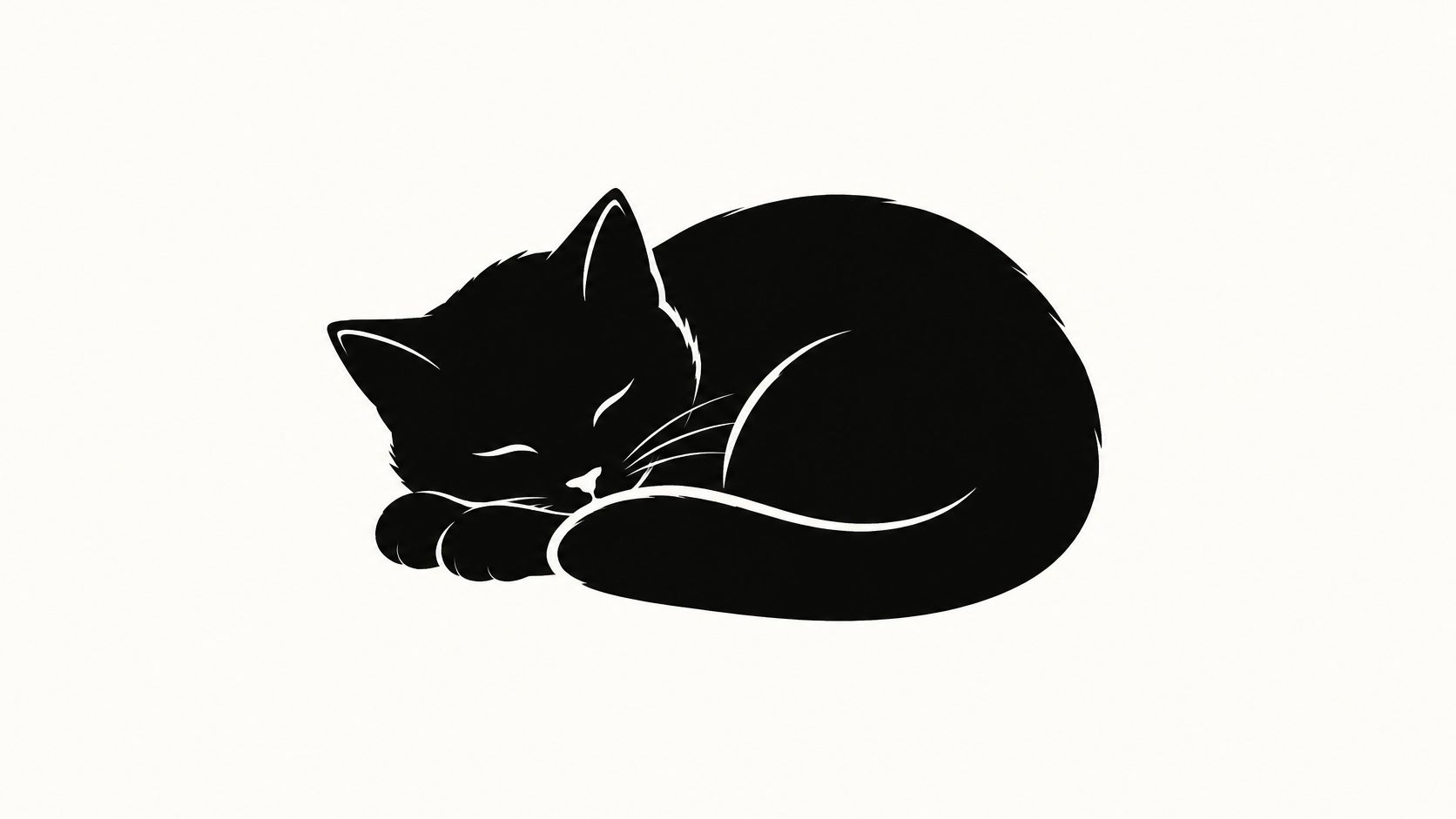
Consider a sleeping cat on the back of the shoulder. A running dog can follow the length of the outer forearm, while an upright bird can suit the upper arm.
Personal symbolism doesn't have to be a literal face. A pet-loss community discussion about memorial designs offers individual perspectives on finding a tribute that feels personal rather than interchangeable. Treat those accounts as inspiration, not evidence that a particular design will help everyone.
Keep the identifying gaps open
A silhouette loses meaning if the legs merge, the tail disappears against the body, or the ears become a single block. Ask the artist to exaggerate important separations slightly rather than copying a confusing photograph exactly.
- Reference tip: Choose a side-on photograph with the whole body visible. A clear background makes tracing the actual pose easier.
- Placement choice: Match the direction of the pose to the body area. A long running shape needs length; a curled animal needs a broader patch.
- Aging trade-off: Solid black avoids reliance on delicate shading, but cramped internal gaps can still close visually.
For a rabbit that always sat with an ear folded, keep that asymmetry. Removing it for a tidier outline would also remove the detail that makes the tattoo yours.
Ask to review the silhouette without a name underneath. If the shape doesn't communicate the pose on its own, lettering won't solve it.
4. Name and Dates Script
A name can feel more intimate than a picture. It might be the formal name on your pet's tag or the ridiculous nickname you used at home, which can make a better memorial than text chosen only because it looks elegant.
For a dog called Pickle, a clear hand-lettered name along the inner forearm can carry the entire design. A separate paw beneath it is optional, not a requirement.
The difficult choice is often whether to include dates. Dates can mark the relationship clearly, but they can also make the tattoo feel focused on the loss rather than the life.
Give the letters enough room
Choose open letterforms and comfortable spacing. Dense calligraphy, tightly looped lowercase letters, and very small date numerals ask too much of a compact tattoo.
- Reference tip: Photograph the collar tag or save a clean image of the lettering you like. If using handwriting, bring the original sample rather than a heavily compressed screenshot.
- Placement choice: Use the inner forearm for a longer name. A short name can suit the ankle, provided the lettering stays readable at the chosen size.
- Aging trade-off: Keep the spaces inside letters visibly open. Simplify flourishes before reducing the entire design.
Proofread the stencil yourself. Check spelling, date order, and whether a decorative stroke could make a letter look different.
If you want a spiritual element, memorial angel wing tattoo ideas can help you consider how wings might frame the name. Give the lettering its own clear space instead of running feathers through it.
Lettering rule: If you need to zoom in to read the design comfortably, ask for a larger stencil or simpler lettering.
A name alone is complete. You don't owe the design a date, quotation, or explanation.
5. Nose Print Tattoo
A nose print is a close-up memory rather than a conventional animal symbol. It can recall the feel of a cold nose against your hand without showing an entire face.
The challenge is translating a textured surface into marks that work on skin. A photograph contains more texture than a small tattoo can preserve, so the artist needs permission to edit.
For a dog with a broad nose and a familiar pale patch, consider a simplified black-and-grey nose on the outer upper arm. Preserve the outline, nostril shape, and pale area before trying to reproduce the smallest surface marks.
Choose structure over microscopic texture
Take a straight-on photograph in soft, even light if you're able to gather new references. Avoid strong flash, which can create bright glare and obscure the surface you want the artist to study.
If your pet has already died, review existing close-ups without assuming that a blurry image can be sharpened into an accurate pattern. An artist can create a nose-inspired memorial, but they shouldn't present invented texture as an exact copy.
- Reference tip: Bring the original image file and a wider photograph showing the muzzle. The wider view helps explain the nose's proportions.
- Placement choice: Prefer the upper arm or forearm over the back of the hand when preserving texture is the priority.
- Aging trade-off: Use separated lines or deliberate shaded groups. Closely packed dots and tiny channels can become difficult to distinguish.
Ask to see a simplified version beside the detailed drawing. If both convey the same nose shape, the simpler option gives you less fragile information to protect.
A name can sit below the nose, but don't squeeze it into the nostrils or surrounding shading. Keep the personal elements readable independently.
6. Heartbeat Line with Paw
A heartbeat line ending in a paw is a symbolic memorial, not necessarily a recording of your pet's heart. Decide which you want before commissioning it, because the distinction changes the reference you need.
If you have an actual veterinary tracing and want to use it, bring the original document. Without one, ask for an illustrative heartbeat motif rather than a supposedly accurate record of a particular day.
A horizontal line along the inner forearm, ending in a separated paw print, is a practical arrangement. It leaves room for the peaks without wrapping the entire design around a moving wrist.
Avoid turning simplicity into crowding
The line needs enough height for its peaks to remain distinct. A paw at the end also needs enough space between its pads, even when the rest of the tattoo is minimal.
- Reference tip: Bring an exact tracing if accuracy matters, plus a clear image of your pet's paw print if you want that included.
- Placement choice: Position the composition along the forearm rather than forcing it into a narrow wristband. Review it with your arm relaxed.
- Aging trade-off: Use consistent, deliberate line weight. Avoid hair-thin peaks, tightly nested angles, and tiny lettering attached directly to the line.
Say you want to remember the day you brought your dog home. An illustrative heartbeat with an adoption date beneath it can express that memory without pretending the line came from a medical recording.
Leave out the date if it makes the composition cramped. The story doesn't become less meaningful because it isn't written into every available space.
The strongest version has a clear visual hierarchy: line first, paw second, optional text separate. Adding a heart, infinity loop, wings, and dates usually makes that hierarchy harder to maintain.
7. Coat Pattern Constellation
Some pets are recognizable by their markings before you see their faces. A dark shoulder patch, a broken stripe, or a cluster of spots can become the starting point for a quieter memorial.
A coat-pattern constellation translates selected markings into dots, stars, and connecting lines. It's an abstract interpretation, so decide which features must remain accurate and which can change for the composition.
For a spotted dog, use a small group of distinctive markings across the shoulder blade. The artist can preserve their relative arrangement while adjusting the spacing so the tattoo reads as a deliberate star map.
Map the coat before adding decoration
Photograph the relevant side of the body in even light. If you're working from older pictures, label which side each image shows so markings don't get accidentally mirrored.
Make a simple tracing of the important patches. Then ask the artist to translate those shapes into a hierarchy of larger and smaller marks, rather than reducing every spot to an identical dot.
- Reference tip: Supply an unedited coat photograph alongside the tracing. Mark the patch or stripe you consider essential.
- Placement choice: Use the shoulder blade for a spread-out constellation or the outer forearm for a vertical arrangement.
- Aging trade-off: Avoid a cloud of pinprick dots. Keep stars distinct from connecting lines and leave clear space around intersections.
A private symbol doesn't need to explain itself to strangers. It needs to preserve the detail that brings your pet to mind.
For a tuxedo cat, an abstract version of the chest patch may work better than a conventional constellation. For a reptile, a familiar banding pattern can serve the same purpose.
Keep the mapping visible in your brief. Otherwise, an attractive star pattern can drift away from the markings that made it personal.
8. Memorial Flower Motif
Choose the flower through the memory, not because a chart assigns it the right meaning. A rose may recall the garden where your dog slept, while a simple sprig might connect to your rabbit's name.
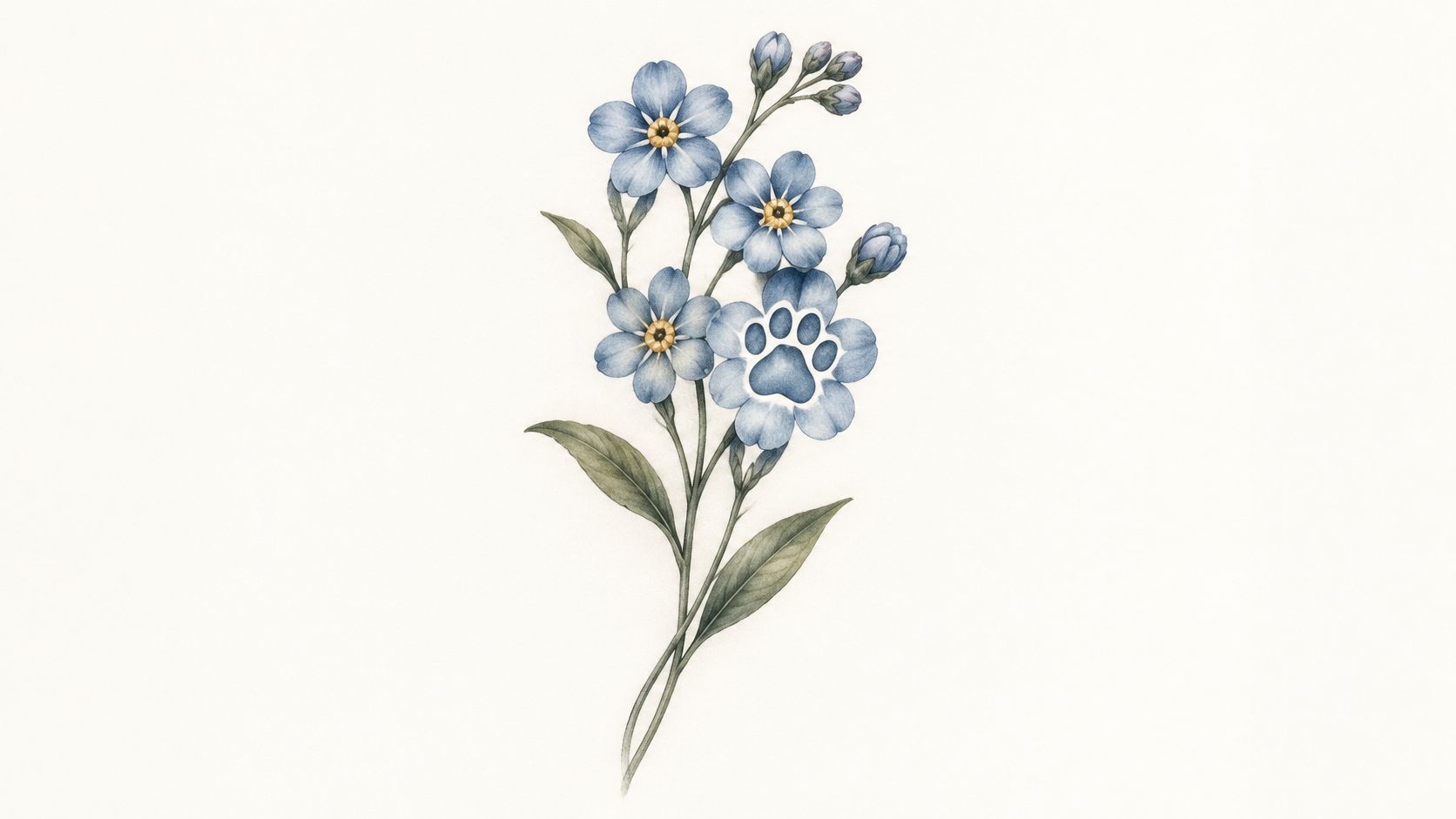
A forget-me-not sprig on the outer forearm can include initials beside the stem. A broader flower on the shoulder gives the artist more room to integrate a paw shape without squeezing it between tiny petals.
Give soft color a readable structure
Watercolor-style washes and fine botanical lines create different effects. If longevity is your priority, ask for enough contour and tonal contrast that you won't need every pale color accent to remain equally visible.
A hidden paw should still have a clear shape. If the artist needs to explain exactly where each toe sits, simplify the surrounding petals or move the paw outside the flower.
- Reference tip: Bring a clear flower photograph and a separate paw reference. Don't rely on a composite image that obscures both.
- Placement choice: Use the forearm for a long stem or the shoulder for a rounded blossom.
- Aging trade-off: Preserve open spaces between petals and leaves. Avoid using faint washes as the only boundary between overlapping forms.
Color decisions should include health considerations, not just appearance. A systematic review of tattoo-associated infections identifies contaminated ink, hygiene failures, and wound care as relevant safety concerns.
Choose an appropriately regulated studio that uses sterile single-use needles and provides written aftercare. Mention previous pigment reactions before settling on a color-heavy design, and discuss relevant health concerns with a qualified clinician.
A flower with a clear silhouette is a stronger foundation than a dense bouquet full of hidden symbols.
How the 8 pet memory tattoo ideas compare
| Item | Best For | Detail Level | Aging Outlook | Typical Cost Range |
|---|---|---|---|---|
| Paw Print Tattoo | A recognizable, personal pet tribute | Low to medium | Fine lines may blur if very small | Small designs are typically affordable |
| Realistic Pet Portrait | A lifelike, highly personal memorial | High | Fine details may soften or fade over time | Typically higher due to size and detail |
| Pet Silhouette | A bold design centered on a distinctive pose | Low | Bold shapes generally age well | Typically affordable for a small, simple design |
| Name and Dates Script | A simple text-based tribute | Low | Tight script may blur; spacing helps preserve legibility | Typically affordable |
| Nose Print Tattoo | A unique tribute based on the pet's nose pattern | Medium to high | Fine lines and dense dotwork may fade or spread | Typically higher due to fine detail |
| Heartbeat Line with Paw | A simple symbolic tribute | Low | Thin lines may need periodic touch-ups | Typically affordable for a small design |
| Coat Pattern Constellation | A subtle design based on the pet's markings | Medium | Small dots may fade or blur over time | Typically higher when the pattern needs fine detail |
| Memorial Flower Motif | A symbolic, decorative memorial | Medium | Watercolor styles may fade or spread | Typically higher for detailed color work |
Turning Your Pet Memory Tattoo Idea Into a Design Your Artist Can Use
Start by choosing a primary memory. It might be your pet's expression, their sleeping pose, their paw impression, or the flowers beside their favorite spot. Pick a main motif and, if it helps, a supporting element rather than combining every meaningful object into the same tattoo.
Gather the clearest references you have. Keep original photographs separate from edited images, and identify the details that must survive the translation: the folded ear, white muzzle, uneven pad, or particular spelling of a nickname.
Write a brief that leaves room for expertise
A useful consultation brief describes the subject, proposed placement, preferred style, and identifying feature. It also states what you're willing to simplify, because the tattooist needs that freedom to make the design workable.
For example, you might request a black-and-grey portrait on the outer upper arm, with the pale muzzle and uneven ears preserved, no background, and enough space for the eyes to remain clear. That gives the artist more useful direction than asking for an exact miniature copy of a photograph.
- Bring original references: Include the best photograph and supporting views that clarify markings or proportions.
- Name your priorities: Explain which features matter emotionally and which decorative elements are optional.
- Review physical size: Ask to see the design at its proposed dimensions and check the stencil with your body relaxed.
- Discuss healed work: Look for examples that show how the artist handles comparable detail after healing.
You can use TattoosAI to generate starting concepts from a detailed description, then compare approaches before the appointment. Our generated result is a reference for your tattoo artist, not a finished stencil; the artist must adapt it to your body, skin, and how the design will age.
Make room for emotional readiness
Don't let the consultation become a deadline for grief. A pet-loss discussion about memorial tattoo readiness includes differing personal responses to seeing a permanent reminder, which is a useful reason to consider your own reaction rather than follow someone else's timetable.
Try keeping the concept as a print or phone wallpaper before booking. Notice whether it brings back your companion's personality or keeps returning you to the circumstances of their death.
Your next step is a focused consultation, not a perfect drawing. Bring your shortlist, original reference photos, and preferred placement to an artist whose healed work you trust. Let them help you preserve the memory without overloading the skin.
TattoosAI turns your description, style, and color preferences into tattoo concepts you can take to a professional artist. Visit TattoosAI to explore a paw print, portrait, or personal symbol, then bring your preferred direction and original pet photographs to your consultation.